Business

226 books in this category

Start here

Good to Great

Good to Great

by Jim Collins

Cited by 43 other books and connected to 43 more in Business. If you read one book in this category first, the citation network says make it this one.

Foundational Books in Business

Ranked by how often they are cited by other books in the collection. These are the titles later authors keep returning to — read one and you will recognise its fingerprints across the rest of the category.

  1. Influence1

    Influence

    by Robert Cialdini

    Cited by 51
  2. Good to Great2

    Good to Great

    by Jim Collins

    Cited by 43
  3. The Innovator's Dilemma3

    The Innovator's Dilemma

    by Clayton Christensen

    Cited by 33
  4. The Lean Startup4

    The Lean Startup

    by Eric Ries

    Cited by 29
  5. The Mythical Man-Month5

    The Mythical Man-Month

    by Frederick Brooks

    Cited by 24
  6. The 7 Habits of Highly Effective People6

    The 7 Habits of Highly Effective People

    by Stephen Covey

    Cited by 23

More books in Business

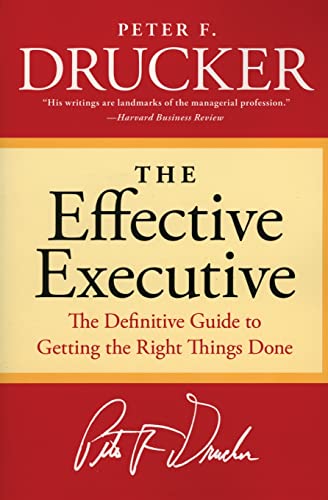
The Effective Executive by Peter Drucker

The Effective Executive

by Peter Drucker

star4.1

Drucker argues that effectiveness is a habit executives must learn, not a talent they're born with. The key disciplines: manage time ruthlessly, focus on contribution, and make strengths productive.

business
Steve Jobs by Walter Isaacson

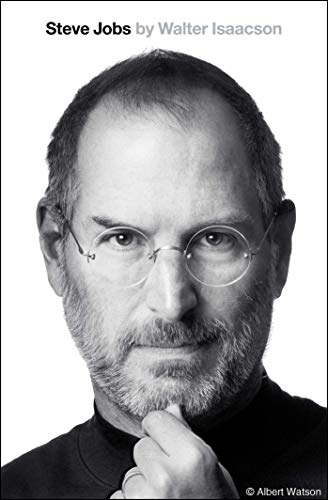
Steve Jobs

by Walter Isaacson

star4.2

Isaacson portrays Jobs as a study in contradictions - visionary and cruel, obsessive and brilliant. His core thesis: Jobs' relentless pursuit of perfection and control over end-to-end products reshaped entire industries.

historybusiness
Nudge by Richard Thaler

Nudge

by Richard Thaler

star3.9

Thaler and Sunstein argue that small changes in how choices are presented, nudges, can dramatically improve decisions without restricting freedom. Choice architecture is a powerful tool for public policy and beyond.

psychologybusiness
How to Win Friends and Influence People by Dale Carnegie

How to Win Friends and Influence People

by Dale Carnegie

star4.2

Carnegie's core insight is that influence comes from genuine interest in others, not self-promotion. Listen deeply, make people feel important, and never criticize - connection is the foundation of persuasion.

self-helpbusiness
Deep Work by Cal Newport

Deep Work

by Cal Newport

star4.6

Newport argues that the ability to focus without distraction is increasingly rare and increasingly valuable. Deep work is the superpower of the knowledge economy.

self-helpbusiness
Getting Things Done by David Allen

Getting Things Done

by David Allen

star4.5

Allen's system externalises every commitment from your mind into a trusted workflow. The core insight: mental clarity comes from capturing and organising all open loops.

self-helpbusiness
Built to Last by Jim Collins

Built to Last

by Jim Collins

star4.1

Collins studied companies that sustained exceptional performance for decades. The key: preserve a core ideology while relentlessly adapting strategies. Vision without dogma.

business
Drive by Daniel Pink

Drive

by Daniel Pink

star4

Pink argues that autonomy, mastery, and purpose motivate people far more than money. The carrot-and-stick model is outdated and actively undermines creative performance.

psychologybusiness
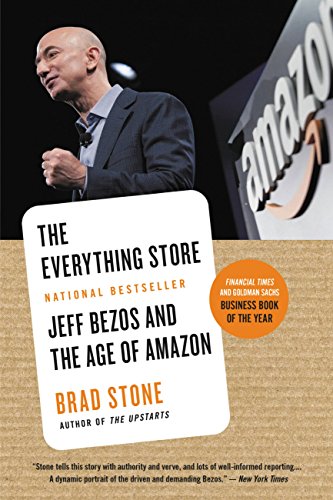
The Everything Store by Brad Stone

The Everything Store

by Brad Stone

star4.5

Stone chronicles Bezos's relentless, customer-obsessed drive to transform Amazon from online bookstore into global commerce and cloud empire. Visionary brilliance meets ruthless execution.

businesshistory
High Output Management by Andrew Grove

High Output Management

by Andrew Grove

star4.4

Grove distils Intel's management philosophy into actionable principles. Output is what matters - a manager's job is to increase the output of their team and adjacent teams.

business
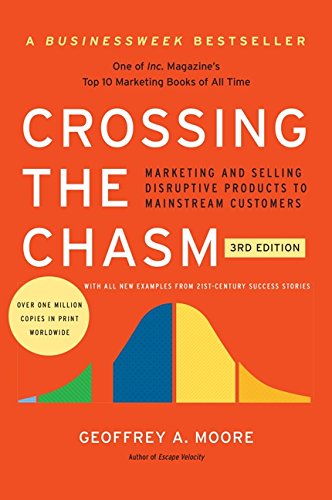
Crossing the Chasm by Geoffrey Moore

Crossing the Chasm

by Geoffrey Moore

star4

Moore identifies the dangerous gap between early adopters and the mainstream market that kills most tech products. Crossing this chasm requires focusing on a single beachhead segment and dominating it completely.

businesstechnology
In the Plex: How Google Thinks, Works, and Shapes Our Lives by Steven Levy

In the Plex: How Google Thinks, Works, and Shapes Our Lives

by Steven Levy

star4.4

Levy had unprecedented access to Google's founders, engineers, and executives over two years to chronicle the company's algorithms, culture, and strategic battles. Levy argues that Google's engineering-led culture and willingness to automate judgement represented a fundamentally new way of building a company.

businesstechnology
Thinking in Systems by Donella Meadows

Thinking in Systems

by Donella Meadows

star4.5

Meadows explains how systems, from economies to ecosystems, behave through feedback loops, stocks, and flows. Most interventions fail because we address symptoms rather than the underlying structure driving the problem.

sciencebusiness
Think and Grow Rich by Napoleon Hill

Think and Grow Rich

by Napoleon Hill

star4.2

Hill distilled interviews with hundreds of successful people into a philosophy of achievement driven by desire, faith, and persistence. Success begins with a definite purpose held in the mind with burning obsession.

businessself-help
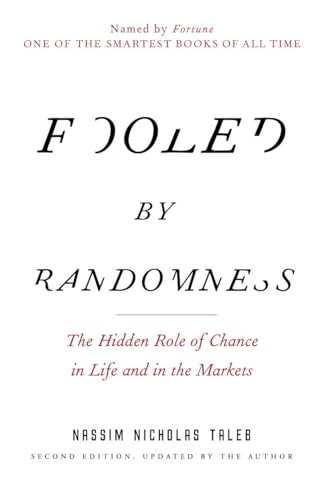
Fooled by Randomness by Nassim Nicholas Taleb

Fooled by Randomness

by Nassim Nicholas Taleb

star4.1

Taleb exposes how we underestimate luck in life and markets, mistaking random outcomes for skill. Survivorship bias and narrative fallacy lead us to build false stories around chance events.

psychologybusiness
Zero to One by Peter Thiel

Zero to One

by Peter Thiel

star4.5

Thiel argues that true innovation means creating something entirely new, not copying what exists. Competition is for losers, monopoly through unique value is how lasting companies are built.

businesstechnology
The E-Myth Revisited by Michael E. Gerber

The E-Myth Revisited

by Michael E. Gerber

star4.1

Gerber argues most small businesses fail because technicians become owners without learning to build systems. The solution: work on your business, not in it.

business
The Five Dysfunctions of a Team by Patrick Lencioni

The Five Dysfunctions of a Team

by Patrick Lencioni

star4.1

Lencioni uses a leadership fable to diagnose five interconnected failures that cripple teams: absence of trust, fear of conflict, lack of commitment, avoidance of accountability, and inattention to results.

business
The Hard Thing About Hard Things by Ben Horowitz

The Hard Thing About Hard Things

by Ben Horowitz

star4.5

Horowitz shares hard-won lessons from running a startup through near-death crises. There is no formula, leadership means making impossible decisions when there are no good options.

business
Antifragile by Nassim Nicholas Taleb

Antifragile

by Nassim Nicholas Taleb

star4.3

Taleb argues that some systems don't just resist shocks - they actually grow stronger from disorder. The goal isn't resilience or robustness but antifragility: designing your life and institutions to benefit from volatility.

philosophybusiness
Hooked by Nir Eyal

Hooked

by Nir Eyal

star4

Eyal maps the four-step loop, trigger, action, variable reward, investment, that makes products habit-forming. A practical blueprint for building (or recognising) addictive design.

technologybusiness
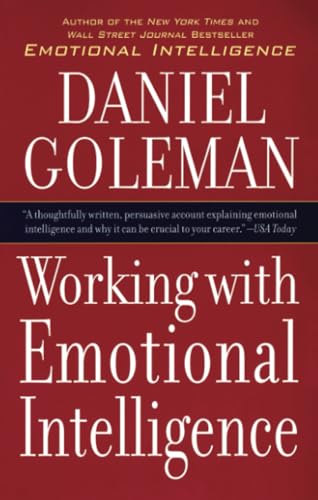
Working with Emotional Intelligence by Daniel Goleman

Working with Emotional Intelligence

by Daniel Goleman

star3.9

Goleman makes the case that emotional intelligence matters more than IQ for career success. Technical ability gets you hired, but self-awareness, empathy, and social skill determine who leads.

businesspsychology
Start with Why by Simon Sinek

Start with Why

by Simon Sinek

star4.4

Sinek argues that inspiring leaders and organisations start by communicating why they exist, not what they do. Purpose drives loyalty in ways that features and benefits cannot.

business
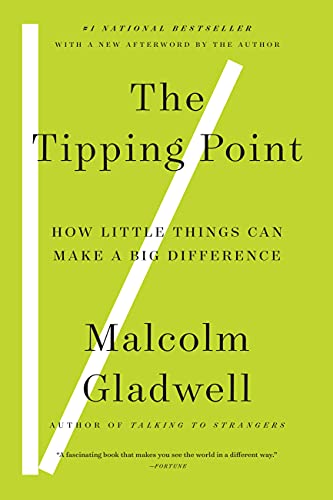
The Tipping Point by Malcolm Gladwell

The Tipping Point

by Malcolm Gladwell

star4.1

Gladwell identifies the three forces that make ideas spread like epidemics: the right people, the right stickiness, and the right context. Small changes can trigger massive social shifts.

psychologybusiness
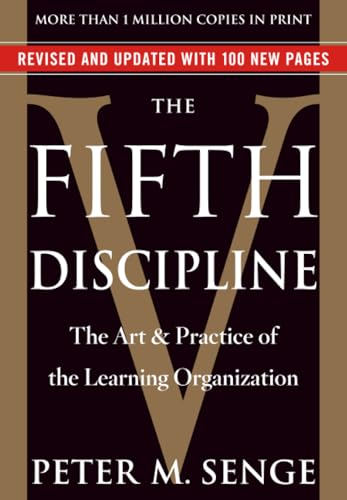
The Fifth Discipline by Peter Senge

The Fifth Discipline

by Peter Senge

star4.1

Senge argues organisations fail to learn because they're trapped in linear thinking and blame cycles. Systems thinking - seeing feedback loops and unintended consequences - unlocks the rest.

business
Creativity, Inc. by Ed Catmull

Creativity, Inc.

by Ed Catmull

star4.6

Catmull reveals how Pixar built a culture where candor and creative risk-taking thrive. His central insight: protecting the creative process from fear and hierarchy matters more than protecting individual ideas.

business
Poor Charlie's Almanack by Charlie Munger

Poor Charlie's Almanack

by Charlie Munger

star4.5

Munger presents mental models from multiple disciplines, psychology, economics, physics, as tools for better decisions. Real-world problems demand multidisciplinary thinking, not narrow expertise.

businessphilosophy
Essentialism by Greg McKeown

Essentialism

by Greg McKeown

star4.4

McKeown argues that doing less but better is the disciplined pursuit of what truly matters. Most people spread themselves too thin and make a millimetre of progress in a million directions.

self-helpbusiness
The 4-Hour Workweek by Tim Ferriss

The 4-Hour Workweek

by Tim Ferriss

star4.3

Ferriss challenges the deferred-life plan of working until retirement. Through automation, outsourcing, and lifestyle design, he argues you can build freedom now, not decades from now.

businessself-help
The Phoenix Project by Gene Kim

The Phoenix Project

by Gene Kim

star4.3

Kim uses a novel format to show how DevOps principles, flow, feedback, and continual learning, can rescue a failing IT organisation. A parable about breaking down silos.

technologybusiness
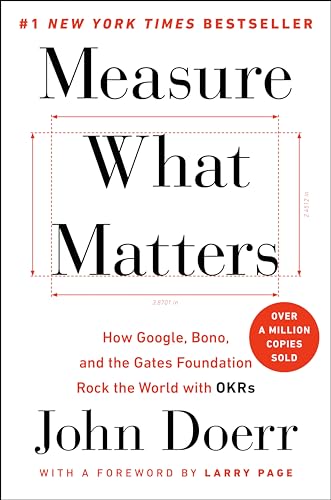
Measure What Matters by John Doerr

Measure What Matters

by John Doerr

star4.2

Doerr advocates for Objectives and Key Results (OKRs) as the goal-setting system that powered Intel and Google. The method forces alignment, transparency, and measurable ambition across entire organisations.

business
Radical Candor by Kim Scott

Radical Candor

by Kim Scott

star4.1

Scott argues that great management requires caring personally while challenging directly. Most managers fail by being either ruinously empathetic or obnoxiously aggressive.

business
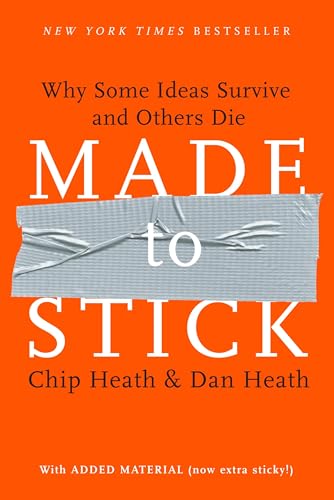
Made to Stick by Chip Heath

Made to Stick

by Chip Heath

star4.1

Heath and Heath identify six principles that make ideas stick: simplicity, unexpectedness, concreteness, credibility, emotions, and stories. Sticky messages succeed because of structure, not luck.

psychologybusiness
Extreme Ownership by Jocko Willink

Extreme Ownership

by Jocko Willink

star4.5

Willink and Babin argue that every leadership failure is ultimately a failure of ownership. Lessons from Navy SEAL combat translate directly: leaders must own everything in their world, no excuses.

businessself-help
Turn the Ship Around! by L. David Marquet

Turn the Ship Around!

by L. David Marquet

star4.5

Marquet transformed a struggling submarine by replacing command-and-control with intent-based leadership. Giving control to the people closest to the information unleashed extraordinary results.

business
Elon Musk: Tesla, SpaceX, and the Quest for a Fantastic Future by Ashlee Vance

Elon Musk: Tesla, SpaceX, and the Quest for a Fantastic Future

by Ashlee Vance

star4.5

Vance conducted dozens of interviews with Musk, his family, and colleagues to trace his arc from South African childhood through Zip2, PayPal, SpaceX, and Tesla. Vance argues Musk is a composite of Edison, Ford, Hughes, and Jobs who pushes his teams past conventional limits to pursue civilizational-scale goals.

biographybusiness
Rework by Jason Fried

Rework

by Jason Fried

star4.2

Fried argues that most business conventions, offices, meetings, long-term plans, are wasteful distractions. Build less, embrace constraints, and launch something real instead of planning something perfect.

business
The Age of Surveillance Capitalism by Shoshana Zuboff

The Age of Surveillance Capitalism

by Shoshana Zuboff

star4.2

Zuboff reveals how tech companies extract and sell predictions of human behaviour for profit. Surveillance capitalism is a new economic logic that threatens autonomy and democracy.

technologybusiness
The Innovator's Solution by Clayton M. Christensen

The Innovator's Solution

by Clayton M. Christensen

star4.2

Christensen shifts from diagnosing disruption to prescribing strategy: target non-consumption, not existing competitors. The key is creating new markets before disruptors take yours.

technologybusiness
The Second Machine Age by Erik Brynjolfsson

The Second Machine Age

by Erik Brynjolfsson

star4.1

Brynjolfsson and McAfee argue digital technologies are entering an exponential phase where machines complement and displace labour in new ways. More wealth but wider inequality defines the tension.

technologybusiness
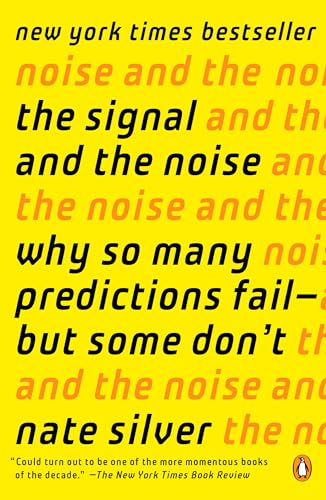
The Signal and the Noise by Nate Silver

The Signal and the Noise

by Nate Silver

star4

Silver examines why most predictions fail and what separates the rare forecasters who succeed. Think probabilistically, update beliefs with new data, and know how much signal exists in the noise.

sciencebusiness
Dare to Lead by Brene Brown

Dare to Lead

by Brene Brown

star4.7

Brown's research shows that vulnerability is not weakness but the foundation of courageous leadership. Leaders who embrace discomfort build more trusting, innovative teams.

businessself-help
Traction by Gino Wickman

Traction

by Gino Wickman

star4.5

Wickman presents the Entrepreneurial Operating System, a framework for running a business with clarity and discipline. It boils leadership down to six key components: vision, people, data, issues, process, and traction.

business
Principles by Ray Dalio

Principles

by Ray Dalio

star4.3

Dalio shares the decision-making principles he developed running the world's largest hedge fund. His core framework: radical transparency, systematic thinking, and treating mistakes as the primary path to learning.

businessself-help
Inspired by Marty Cagan

Inspired

by Marty Cagan

star4.3

Cagan argues that the best product teams discover solutions rather than deliver features handed down from above. Empowered teams with real ownership consistently outperform feature-factory organisations.

technologybusiness
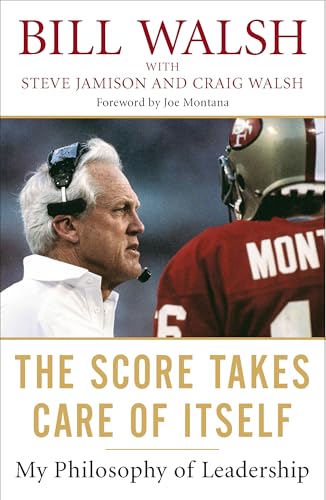
The Score Takes Care of Itself by Bill Walsh

The Score Takes Care of Itself

by Bill Walsh

star4.3

Walsh reveals that obsessing over the scoreboard is a losing strategy. Build the right culture, set exacting standards of performance, and the results will follow as a natural consequence.

businessself-help
The Culture Code by Daniel Coyle

The Culture Code

by Daniel Coyle

star4.3

Coyle deconstructs what makes certain groups exceptionally cohesive. Great culture isn't about talent - it's built through safety signals, shared vulnerability, and a clear sense of purpose.

business

Tools of Titans by Tim Ferriss

Tools of Titans

by Tim Ferriss

star4.2

Ferriss distills the habits, routines, and tactics of world-class performers into actionable advice. It's less a single argument and more a playbook - the shared patterns of people who've mastered health, wealth, and wisdom.

businessself-help
Rich Dad Poor Dad by Robert Kiyosaki

Rich Dad Poor Dad

by Robert Kiyosaki

star4.1

Kiyosaki contrasts his two fathers' financial philosophies to argue that the wealthy don't work for money - they make money work for them. Financial literacy and asset-building, not a paycheck, create lasting wealth.

businessself-help
The 22 Immutable Laws of Marketing by Al Ries

The 22 Immutable Laws of Marketing

by Al Ries

star4.1

Ries and Trout distill marketing into 22 fundamental laws that govern how brands win and lose in consumers' minds. Violate them and even the biggest budgets will fail.

business
Crucial Conversations by Kerry Patterson

Crucial Conversations

by Kerry Patterson

star4.1

Patterson argues that most organisational failures trace back to crucial conversations people avoid. Learning to speak honestly when stakes are high and emotions run strong changes everything.

businessself-help
The Checklist Manifesto by Atul Gawande

The Checklist Manifesto

by Atul Gawande

star4.1

Gawande shows that even the most skilled professionals make avoidable errors, and a simple checklist catches what expertise misses. The power is ensuring critical steps are never skipped under pressure.

businessscience
Work the System by Sam Carpenter

Work the System

by Sam Carpenter

star4.1

Carpenter argues that businesses and lives are composed of separate systems that can be individually perfected. By documenting and optimising each process, you gain control and free up time.

businessself-help
Blue Ocean Strategy by W. Chan Kim

Blue Ocean Strategy

by W. Chan Kim

star4

Kim argues that competing in crowded markets is a losing game. Instead, companies should create uncontested market space, blue oceans, by simultaneously pursuing differentiation and low cost.

business
Switch by Chip Heath

Switch

by Chip Heath

star4

Heath and Heath argue that change fails when the rational mind and emotional mind conflict. Direct the rider, motivate the elephant, and shape the path to make switching easy.

psychologybusiness
Pre-Suasion by Robert Cialdini

Pre-Suasion

by Robert Cialdini

star4

Cialdini reveals that persuasion starts before the message, by strategically directing attention beforehand, communicators make audiences receptive before they even hear the actual pitch.

psychologybusiness
The Four Steps to the Epiphany by Steve Blank

The Four Steps to the Epiphany

by Steve Blank

star4

Blank argues startups fail because they execute business plans instead of searching for viable models. Customer development, discovery, validation, creation, building, replaces premature scaling.

businessentrepreneurship
Talent Is Overrated by Geoff Colvin

Talent Is Overrated

by Geoff Colvin

star4

Colvin argues world-class performers are shaped by years of deliberate practice with focused feedback, not innate gifts. What separates the best is how they practise, not some inborn advantage.

psychologybusiness
The Wisdom of Crowds by James Surowiecki

The Wisdom of Crowds

by James Surowiecki

star3.9

Surowiecki shows that diverse, independent groups often outpredict any single expert. Crowd wisdom works with diversity, independence, and good aggregation, and breaks down without them.

psychologybusiness
The One Minute Manager Meets the Monkey by Ken Blanchard

The One Minute Manager Meets the Monkey

by Ken Blanchard

star3.8

Blanchard uses the metaphor of monkeys on your back to explain how managers accidentally take on their direct reports' problems. The solution: keep the monkey on the right back and manage its care.

business
Shoe Dog by Phil Knight

Shoe Dog

by Phil Knight

star4.7

Knight recounts building Nike from a $50 loan and a handshake deal with a Japanese shoe company. It's a brutally honest memoir about near-bankruptcy, legal battles, and the irrational persistence that built a global brand.

businesshistory
Never Split the Difference by Chris Voss
Never Split the Difference

by Chris Voss
star4.7

Voss, a former FBI hostage negotiator, argues that negotiation is fundamentally about emotional intelligence, not logic. Tactical empathy, calibrated questions, and labeling emotions are more powerful than rational arguments.

businesspsychology
Finding Purpose at Work by Davin Salvagno

Finding Purpose at Work

by Davin Salvagno

star4.7

Salvagno's first book argues that purpose is not a corporate slogan but a personal practice. He walks readers through a framework for discovering meaning in their daily work, regardless of role or industry.

businessself-help
Leaders Eat Last by Simon Sinek

Leaders Eat Last

by Simon Sinek

star4.6

Sinek argues that great leaders create a Circle of Safety so teams can focus on external threats rather than internal politics, and explains the behavior through four chemicals: endorphins, dopamine, serotonin, and oxytocin. He contrasts serotonin- and oxytocin-driven selfless cultures with the cortisol-soaked environments produced by fear-based management.

businessleadership
Becoming Steve Jobs: The Evolution of a Reckless Upstart into a Visionary Leader by Brent Schlender and Rick Tetzeli

Becoming Steve Jobs: The Evolution of a Reckless Upstart into a Visionary Leader

by Brent Schlender and Rick Tetzeli

star4.6

Schlender drew on twenty-five years of direct interviews and personal friendship with Jobs to chart his maturation from the ejected Apple founder into the disciplined leader of Pixar and returned Apple. Schlender and Tetzeli argue that the wilderness years at NeXT and Pixar, more than his original Apple run, forged the Jobs who built the iPhone era.

biographybusiness
The Heart of Business by Hubert Joly

The Heart of Business

by Hubert Joly

star4.6

Joly, the former CEO who turned around Best Buy, makes the case for "human magic" leadership: putting people and purpose at the centre of business. A direct rebuke of pure shareholder-value thinking.

businessleadership
The Advantage by Patrick Lencioni

The Advantage

by Patrick Lencioni

star4.5

Lencioni argues that organisational health, being whole, consistent, and minimally politicized, is the last untapped competitive advantage because it is free and nobody is doing it. He lays out four disciplines: build a cohesive leadership team, create clarity, overcommunicate clarity, and reinforce clarity through human systems.

businessleadership
Elon Musk by Walter Isaacson

Elon Musk

by Walter Isaacson

star4.5

Isaacson shadowed Musk for two years, interviewing 130 people to chart the entrepreneur's drive through Zip2, PayPal, SpaceX, Tesla, and Twitter. Drawing on the same innovator-archetype framework he applied to Franklin, Einstein, and Jobs, Isaacson argues Musk's demon-mode intensity is inseparable from his breakthroughs.

biographybusiness
SPIN Selling by Neil Rackham

SPIN Selling

by Neil Rackham

star4.5

Rackham's research-based approach to complex B2B sales argues that traditional closing tactics fail in larger deals. The SPIN framework — Situation, Problem, Implication, Need-payoff — helps salespeople uncover genuine buyer needs.

business
Show Your Work by Austin Kleon

Show Your Work

by Austin Kleon

star4.5

Kleon argues that sharing your creative process — not just the finished work — is how you find your audience and community. A short, illustrated manifesto for opening up your work in the internet age.

self-helpbusiness
Teaming: How Organizations Learn, Innovate, and Compete in the Knowledge Economy by Amy Edmondson

Teaming: How Organizations Learn, Innovate, and Compete in the Knowledge Economy

by Amy Edmondson

star4.5

Edmondson's influential framework for "psychological safety" argues that high-performing teams are built on the shared belief that the team is safe for interpersonal risk-taking. A foundational text in modern management.

businessleadership
The Outward Mindset by The Arbinger Institute

The Outward Mindset

by The Arbinger Institute

star4.5

Arbinger's follow-up to Leadership and Self-Deception argues that a fundamental shift from "inward" to "outward" thinking — from focusing on our own needs to seeing others as people — is the most powerful change a leader can make.

businessleadership
Halftime: Moving from Success to Significance by Bob Buford

Halftime: Moving from Success to Significance

by Bob Buford

star4.5

Buford's influential framework distinguishes the first half of life (focused on success) from the second half (focused on significance). A guide for high-achievers wrestling with what comes after they've "made it".

self-helpbusiness
Leading From Purpose: Clarity and Confidence to Act When It Matters Most by Nick Craig

Leading From Purpose: Clarity and Confidence to Act When It Matters Most

by Nick Craig

star4.5

Craig argues that purpose is not a discovery exercise — it's already inside you, waiting to be uncovered. The book provides a structured process for finding the experiences that shaped your "purpose statement".

leadershipbusiness
Salt, Sugar, Fat: How the Food Giants Hooked Us by Michael Moss

Salt, Sugar, Fat: How the Food Giants Hooked Us

by Michael Moss

star4.5

Pulitzer-winning investigative journalism into how food scientists at Kraft, Coca-Cola, and Nestlé deliberately engineered the "bliss point" of processed foods to maximise consumption. A landmark exposé of the food industry.

sciencebusiness
The DevOps Handbook by Gene Kim

The DevOps Handbook

by Gene Kim

star4.4

Kim lays out the Three Ways, flow, feedback, and continuous learning, as the blueprint for integrating dev and ops. The goal is making deployments routine, not risky.

technologybusiness
The 1-Page Marketing Plan by Allan Dib

The 1-Page Marketing Plan

by Allan Dib

star4.4

Dib distils the entire marketing process into a single page divided into three phases: before, during, and after the sale. A practical, no-fluff guide for small business owners who need results without an MBA.

business
Contagious by Jonah Berger

Contagious

by Jonah Berger

star4.3

Berger identifies six principles, social currency, triggers, emotion, public visibility, practical value, stories, that make ideas spread. Virality is engineered, not random.

businesspsychology
The Great CEO Within by Matt Mochary

The Great CEO Within

by Matt Mochary

star4.3

Mochary distils the tactical playbook he uses to coach Silicon Valley CEOs. Covers meeting cadence, feedback loops, hiring, firing, and the operational systems that separate good founders from great ones.

business
Thinking in Bets by Annie Duke

Thinking in Bets

by Annie Duke

star4.2

Duke argues that life is more like poker than chess. Embracing uncertainty and separating decision quality from outcome quality leads to dramatically better judgement.

psychologybusiness
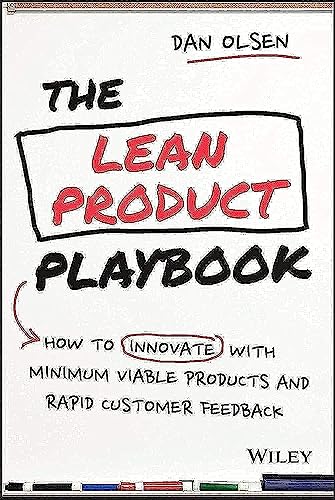
The Lean Product Playbook by Dan Olsen

The Lean Product Playbook

by Dan Olsen

star4.2

Olsen provides a repeatable six-step process for achieving product-market fit. The framework helps teams identify underserved needs, define an MVP, and iterate toward a product customers actually want.

technologybusiness
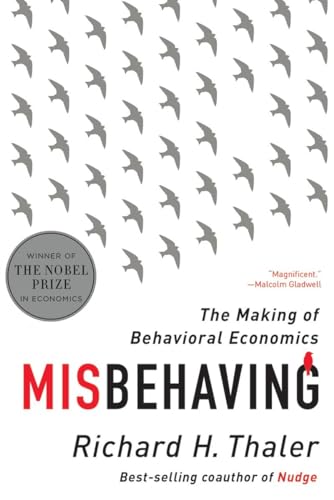
Misbehaving by Richard Thaler

Misbehaving

by Richard Thaler

star4.2

Thaler recounts building behavioural economics by cataloging how real humans deviate from rational-actor theory. Mental accounting and the endowment effect reshaped policy and finance.

businesspsychology
Sprint by Jake Knapp

Sprint

by Jake Knapp

star4.2

Knapp outlines a five-day process for answering critical business questions through prototyping and testing with real users. Replace months of debate with tangible evidence.

businesstechnology
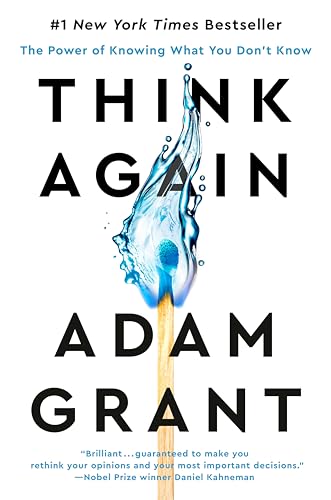
Think Again by Adam Grant

Think Again

by Adam Grant

star4.2

Grant argues the ability to rethink and unlearn beats raw intelligence in a changing world. The best thinkers treat their own opinions with a scientist's curiosity, not a preacher's conviction.

psychologybusiness
The Infinite Game by Simon Sinek

The Infinite Game

by Simon Sinek

star4.2

Sinek contrasts finite games played to win with infinite games where the goal is to keep playing. Companies with an infinite mindset build trust and lasting purpose over short-term victories.

businessphilosophy
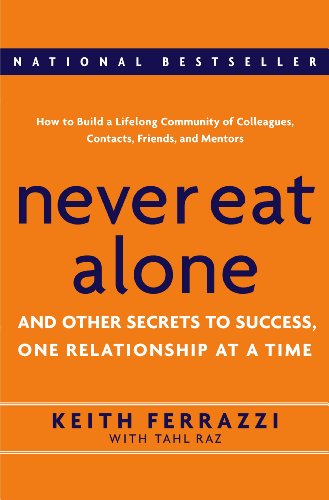
Never Eat Alone by Keith Ferrazzi

Never Eat Alone

by Keith Ferrazzi

star4.2

Ferrazzi argues that success is built on generous relationship-building rather than transactional networking, and lays out his operating system for connecting with people authentically one relationship at a time. He contrasts his approach with the crude glad-handing that most people associate with networking, insisting that the real currency is generosity given long before it is needed.

businessself-help
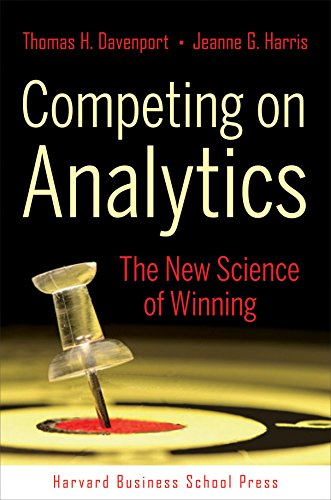
Competing on Analytics: The New Science of Winning by Thomas H. Davenport and Jeanne G. Harris

Competing on Analytics: The New Science of Winning

by Thomas H. Davenport and Jeanne G. Harris

star4.2

Davenport and Harris argue that in industries where products and processes have converged, analytics is becoming the primary basis of competition, and they profile companies like Capital One, Harrah's, and Amazon that embedded data-driven decision making into their strategy. They outline five stages of analytical maturity and the organisational capabilities required to move up them.

businessstrategy
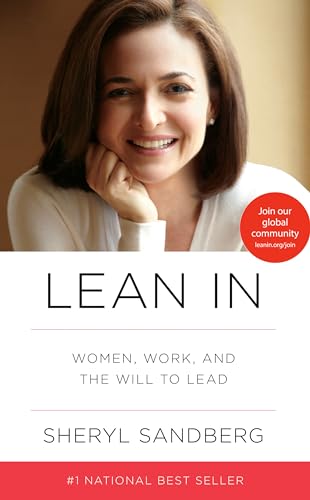
Lean In: Women, Work, and the Will to Lead by Sheryl Sandberg

Lean In: Women, Work, and the Will to Lead

by Sheryl Sandberg

star4.2

Sandberg argues that women hold themselves back from leadership in ways they often don't realise. She combines personal stories, research, and practical advice for navigating a workplace still shaped by gendered expectations.

businessself-help
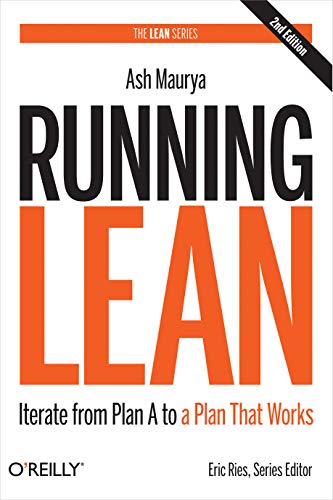
Running Lean by Ash Maurya

Running Lean

by Ash Maurya

star4.1

Maurya adapts lean startup principles into a staged process for de-risking new product ideas. The focus is finding a problem worth solving before building a solution, using rapid experimentation.

businessentrepreneurship
Give and Take by Adam Grant

Give and Take

by Adam Grant

star4.1

Grant shows givers often end up at both the bottom and top of success metrics. The difference is strategic generosity: helping freely but with boundaries that prevent burnout.

businesspsychology
Decisive by Chip Heath

Decisive

by Chip Heath

star4.1

The Heaths expose four villains of decision-making, narrow framing, confirmation bias, short-term emotion, and overconfidence, then offer a WRAP process to counter each.

psychologybusiness
The Catalyst by Jonah Berger

The Catalyst

by Jonah Berger

star4.1

Berger flips persuasion: instead of pushing harder, remove the barriers preventing change. Five friction points, reactance, endowment, distance, uncertainty, and corroboration, hold change back.

psychologybusiness
The Entrepreneurial State by Mariana Mazzucato

The Entrepreneurial State

by Mariana Mazzucato

star4.1

Mazzucato challenges the lone-entrepreneur myth by showing the state funded the riskiest innovations behind the iPhone, internet, and biotech. Public investment deserves credit and returns.

businesshistory
Purple Cow by Seth Godin

Purple Cow

by Seth Godin

star4.1

Godin argues that in a noisy market the only remarkable marketing is the product itself, a Purple Cow, because consumers ignore the safe boring middle. He retools the product development process around early adopters who are actively looking for something worth talking about, rather than chasing the mass market.

business
Who Owns the Future? by Jaron Lanier

Who Owns the Future?

by Jaron Lanier

star4.1

Lanier, a computer scientist and early VR pioneer, argues that Silicon Valley's free-services model redistributes wealth upward by monetizing users' data while paying them nothing. The book argues for a micropayments architecture that would restore a middle class by making individuals the owners and sellers of their own digital contributions.

technologybusiness
The Lean Enterprise by Jez Humble

The Lean Enterprise

by Jez Humble

star4

Humble shows how large organisations can adopt lean and agile without sacrificing governance. The key is building a culture of continuous experimentation and empowered teams across the enterprise.

businesstechnology
The Innovator's DNA by Jeff Dyer

The Innovator's DNA

by Jeff Dyer

star4

Dyer identifies five skills, associating, questioning, observing, networking, experimenting, that set innovative entrepreneurs apart. Innovation is not innate talent but learnable discovery habits.

businessinnovation
Immunity to Change by Robert Kegan

Immunity to Change

by Robert Kegan

star4

Kegan and Lahey reveal that failures to change stem from hidden competing commitments, unconscious goals working against stated intentions. Surfacing these contradictions unlocks real growth.

psychologybusiness
Smarter Faster Better by Charles Duhigg

Smarter Faster Better

by Charles Duhigg

star4

Duhigg explores eight principles of productivity, from motivation to decision-making. The key insight: productivity is about smarter choices on manageing energy and attention, not working harder.

psychologybusiness
Tribes by Seth Godin

Tribes

by Seth Godin

star4

Godin argues that the internet has unleashed a new era of tribes, groups of people connected by shared interests who need leaders. Anyone can lead a tribe, and the world needs more people willing to step up.

businessself-help
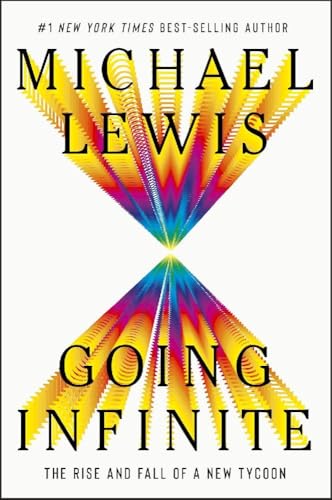
Going Infinite by Michael Lewis

Going Infinite

by Michael Lewis

star4

Lewis embeds with Sam Bankman-Fried before and during the collapse of FTX. A portrait of a man whose intellectual gifts and moral blindness together produced one of the great financial frauds.

businessbiography
Sleeping with Your Smartphone: How to Break the 24/7 Habit and Change the Way You Work by Leslie Perlow

Sleeping with Your Smartphone: How to Break the 24/7 Habit and Change the Way You Work

by Leslie Perlow

star4

Harvard Business School professor Leslie Perlow documents a Boston Consulting Group experiment with "Predictable Time Off" and argues that the always-on work culture emerged haphazardly, not by design — and can be undone the same way.

businessself-help
Love Is the Killer App by Tim Sanders

Love Is the Killer App

by Tim Sanders

star3.9

Sanders argues that the most successful people in business are "lovecat" networkers who freely share their knowledge, contacts, and compassion. Nice, smart people who share what they know finish first.

businessself-help
The Dip by Seth Godin

The Dip

by Seth Godin

star3.7

Godin argues that every worthwhile pursuit involves a difficult stretch between starting and mastering it. Winners quit the right things at the right time and push through the dip on things that matter.

businessself-help
Fanatical Prospecting by Jeb Blount

Fanatical Prospecting

by Jeb Blount

star4.7

Blount argues that the top-performing salespeople share one discipline: they prospect constantly across phone, email, text, and social, refusing to let their pipeline run dry. He builds a balanced prospecting methodology on the premise that activity drives income and that consistent outbound effort beats any clever technique.

businesssales
Venture Deals: Be Smarter Than Your Lawyer and Venture Capitalist by Brad Feld and Jason Mendelson

Venture Deals: Be Smarter Than Your Lawyer and Venture Capitalist

by Brad Feld and Jason Mendelson

star4.7

Feld and Mendelson demystify the VC fundraising process by walking founders clause-by-clause through term sheets, covering economics (valuation, option pools, liquidation preferences) and control (board seats, protective provisions, drag-along rights). The fourth edition adds chapters on bank debt, crowdfunding, ICOs, and hiring investment bankers, arguing that informed founders negotiate better deals and build healthier investor relationships.

businessentrepreneurship
The Founders: The Story of Paypal and the Entrepreneurs Who Shaped Silicon Valley by Jimmy Soni

The Founders: The Story of Paypal and the Entrepreneurs Who Shaped Silicon Valley

by Jimmy Soni

star4.7

Soni reconstructs the founding of PayPal from 150,000 pages of internal documents and hundreds of interviews, telling the story of how Max Levchin, Peter Thiel, Elon Musk, Reid Hoffman, and a handful of young engineers built the company that became the training ground for LinkedIn, YouTube, Tesla, SpaceX, Palantir, and Yelp. The book argues that the PayPal Mafia's later impact was seeded by the crucible of fraud, competition with eBay, and survival through the dot-com bust.

businessentrepreneurship
Thieves of Purpose: Overcoming the 12 Mindsets Robbing You of Your Potential by Davin Salvagno

Thieves of Purpose: Overcoming the 12 Mindsets Robbing You of Your Potential

by Davin Salvagno

star4.7

Salvagno identifies twelve mindsets — comparison, competition, impatience, distraction, excuses, fear, lies, guilt, quitting, success, indifference, unbelief — that derail us from living out our purpose. A practical guide to overcoming the inner saboteurs that rob us of our potential.

self-helpbusiness
Go Pro: 7 Steps to Becoming a Network Marketing Professional by Eric Worre

Go Pro: 7 Steps to Becoming a Network Marketing Professional

by Eric Worre

star4.7

Worre lays out a structured framework for building a serious career in network marketing. The book treats MLM as a profession requiring deliberate skills rather than as a side hustle.

business
Twelve Pillars by Jim Rohn and Chris Widener

Twelve Pillars

by Jim Rohn and Chris Widener

star4.7

Rohn and Widener teach success principles through a fable about a young man who meets a mysterious mentor. The twelve pillars cover personal development, relationships, finance, health and lifestyle.

self-helpbusiness
$100M Offers by Alex Hormozi

$100M Offers

by Alex Hormozi

star4.6

Hormozi breaks down exactly how to craft offers so valuable that customers feel foolish saying no. Pricing, bonuses, guarantees, and scarcity, dissected into a repeatable system.

business
The Ideal Team Player by Patrick Lencioni

The Ideal Team Player

by Patrick Lencioni

star4.6

Lencioni argues that the best team players are humble, hungry, and smart (people-smart), and that missing any one of the three creates predictable failure modes like the accidental mess-maker or the skillful politician. The fable follows a construction company heir using the three-virtue model to hire, coach, and fire against a team-first culture.

businessleadership
Negotiation Genius by Deepak Malhotra and Max Bazerman

Negotiation Genius

by Deepak Malhotra and Max Bazerman

star4.6

Malhotra and Bazerman argue that great negotiators are made, not born, and that anyone can become a negotiation genius by systematically overcoming biases of the mind and heart. They layer behavioural decision research onto Harvard-style principled negotiation, with chapters on claiming value, creating value, and investigative negotiation.

businesspsychology
The Big Short: Inside the Doomsday Machine by Michael Lewis

The Big Short: Inside the Doomsday Machine

by Michael Lewis

star4.6

Lewis follows the handful of investors - Michael Burry, Steve Eisman, and others - who recognised the subprime mortgage bubble and bet against it via credit default swaps. Lewis argues that Wall Street's catastrophe was not a black swan but a predictable failure of incentives, complexity, and willful blindness that a few outsiders saw clearly.

businesshistory
Masters of Doom: How Two Guys Created an Empire and Transformed Pop Culture by David Kushner

Masters of Doom: How Two Guys Created an Empire and Transformed Pop Culture

by David Kushner

star4.6

Kushner chronicles John Carmack and John Romero's partnership at id Software as they built Wolfenstein 3D, Doom, and Quake and defined the first-person shooter. Kushner argues that the collision of Carmack's engineering purity with Romero's rockstar showmanship both created the modern game industry and destroyed their friendship.

biographytechnology
Too Big to Fail: The Inside Story of How Wall Street and Washington Fought to Save the Financial System by Andrew Ross Sorkin

Too Big to Fail: The Inside Story of How Wall Street and Washington Fought to Save the Financial System

by Andrew Ross Sorkin

star4.6

Sorkin delivers a blow-by-blow reconstruction of the 2008 financial crisis from inside the rooms where Wall Street CEOs and Treasury officials scrambled to prevent systemic collapse. Drawing on hundreds of interviews, he documents the Lehman bankruptcy, the AIG bailout, and the TARP negotiations as a drama of personalities, leverage, and mutual dependence.

businesseconomics
7 Powers: The Foundations of Business Strategy by Hamilton Helmer

7 Powers: The Foundations of Business Strategy

by Hamilton Helmer

star4.6

Helmer develops a first-principles theory of business strategy grounded in Power, defined as conditions that create potential for persistent differential returns. He catalogs seven distinct Powers (scale economies, network economies, counter-positioning, switching costs, branding, cornered resource, process power) and maps each to the competitive dynamics that make it durable.

businessstrategy
Scaling Up: How a Few Companies Make It...and Why the Rest Don't by Verne Harnish

Scaling Up: How a Few Companies Make It...and Why the Rest Don't

by Verne Harnish

star4.6

Harnish updates his Rockefeller Habits into a practical framework for mid-market CEOs, organised around four decisions (people, strategy, execution, cash) that determine whether a company scales beyond inflection points. By last name, Harnish distills tools like the One-Page Strategic Plan, meeting rhythms, and priorities-metrics-quarterly themes into a playbook grounded in case studies of firms that crossed from $10M to $1B.

businessstrategy
Secrets of Sand Hill Road: Venture Capital and How to Get It by Scott Kupor

Secrets of Sand Hill Road: Venture Capital and How to Get It

by Scott Kupor

star4.6

Kupor, manageing partner at Andreessen Horowitz, pulls back the curtain on how venture firms actually raise, invest, and exit, explaining LPs, fund economics, and the mechanics of term sheets from the VC's own vantage point. He argues that founders who understand VC incentives (fund lifecycles, reserves, power-law returns) negotiate better deals and pick better partners, and he walks through governance, down rounds, and IPO/M&A outcomes in plain language.

businessentrepreneurship
Delivering Happiness: A Path to Profits, Passion, and Purpose by Tony Hsieh

Delivering Happiness: A Path to Profits, Passion, and Purpose

by Tony Hsieh

star4.6

Hsieh chronicles his path from childhood worm farms through selling LinkExchange to Microsoft and building Zappos into a billion-dollar company acquired by Amazon, arguing that culture, core values, and customer happiness, not product or price, are the real moats. He lays out the ten Zappos core values and makes the case that companies optimizing for employee and customer happiness will outlast those optimizing purely for profit.

businessentrepreneurship
Trillion Dollar Coach: The Leadership Playbook of Silicon Valley's Bill Campbell by Eric Schmidt, Jonathan Rosenberg, and Alan Eagle

Trillion Dollar Coach: The Leadership Playbook of Silicon Valley's Bill Campbell

by Eric Schmidt, Jonathan Rosenberg, and Alan Eagle

star4.6

The authors, all Google veterans, distill the coaching philosophy of Bill Campbell - the former football coach who mentored Steve Jobs, Larry Page, Sergey Brin, Eric Schmidt, Sheryl Sandberg, and Jeff Bezos - based on interviews with 80 people who knew him. They argue that the best operational leaders in tech ran on trust, psychological safety, and team-first decision-making, and that Campbell's people-centric coaching explains much of the trillion dollars in market value he helped create.

businessleadership
Mastery by Robert Greene

Mastery

by Robert Greene

star4.6

Greene studies the lives of historical and contemporary masters — Da Vinci, Darwin, Mozart, Coltrane, Temple Grandin — to reverse-engineer the path to mastery. His framework: apprenticeship, creative-active, and mastery phases, each with concrete strategies.

self-helpbusiness
Find Your Why by Simon Sinek

Find Your Why

by Simon Sinek

star4.5

Co-written with David Mead and Peter Docker, this is Sinek's explicit workbook companion to Start with Why, giving teams and individuals a step-by-step process to uncover their purpose through story-mining exercises. Sinek argues that purpose is not invented but discovered by pattern-matching the moments that already moved you.

businessself-help
The Speed of Trust by Stephen M.R. Covey

The Speed of Trust

by Stephen M.R. Covey

star4.5

Covey argues that trust is the one variable that accelerates everything in business, and that it is a learnable competency rather than a soft virtue. He unpacks the 4 Cores of Credibility and 13 Behaviors of high-trust leaders, showing with case examples how low trust acts as a tax and high trust as a dividend.

businessleadership
Bargaining for Advantage by G. Richard Shell

Bargaining for Advantage

by G. Richard Shell

star4.5

Shell argues that effective negotiators start by knowing their own bargaining style, then use six foundations: style, goals, standards, relationships, interests, and leverage. He explicitly built the book as a negotiation complement to social-psychology research, telling readers that the goal is informed self-awareness rather than a single universal tactic.

businesspsychology
Cashvertising by Drew Eric Whitman

Cashvertising

by Drew Eric Whitman

star4.5

Whitman distills ad-agency psychology into more than one hundred tested techniques drawn from copywriting, direct response, and consumer research. He builds the book on nineteen foundational principles of consumer psychology, teaching advertisers how to translate psychological drivers into headlines, layouts, and calls to action that actually sell.

businessmarketing
The Challenger Sale by Matthew Dixon and Brent Adamson

The Challenger Sale

by Matthew Dixon and Brent Adamson

star4.5

Dixon and Adamson argue that in complex B2B sales the relationship-builder archetype underperforms the Challenger, who teaches, tailors, and takes control of the customer conversation. Their research across thousands of sales reps shows that teaching customers something new about their own business is the single strongest driver of loyalty.
businesssales
Getting Past No by William Ury

Getting Past No

by William Ury

star4.5

Ury argues that in the 95 percent of negotiations where the other side refuses to play fair, the path forward is a five-step breakthrough strategy: go to the balcony, step to their side, reframe, build them a golden bridge, and use power to educate. He treats difficult negotiations as a joint problem rather than a contest of wills.

businesspsychology
The Most Important Thing: Uncommon Sense for the Thoughtful Investor by Howard Marks

The Most Important Thing: Uncommon Sense for the Thoughtful Investor

by Howard Marks

star4.5

Marks distills his celebrated Oaktree memos into a value-investing manifesto built around 'second-level thinking' - the discipline of anticipating what the consensus gets wrong about price versus value. He argues that successful investing is less about forecasting returns than about manageing risk, understanding cycles, and recognizing the role of luck in outcomes.

businesseconomics
Mastering the Market Cycle: Getting the Odds on Your Side by Howard Marks

Mastering the Market Cycle: Getting the Odds on Your Side

by Howard Marks

star4.5

Marks argues that while markets cannot be forecast, investors can position themselves wisely by reading where we stand within recurring cycles of credit, psychology, and risk attitudes. He draws on decades of memos to show how extremes of optimism and pessimism create the pendulum swings that determine long-run returns.

businesseconomics
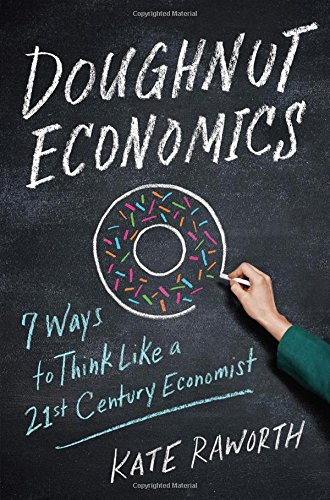
Doughnut Economics: Seven Ways to Think Like a 21st-Century Economist by Kate Raworth

Doughnut Economics: Seven Ways to Think Like a 21st-Century Economist

by Kate Raworth

star4.5

Raworth proposes a new economic model - the 'doughnut' bounded by a social floor and an ecological ceiling - and argues mainstream economics must shed its obsession with GDP growth, rational-actor assumptions, and equilibrium. She synthesizes systems thinking, behavioural economics, and ecological science into seven mindset shifts for a regenerative, distributive economy.

businesseconomics
The Man Who Solved the Market: How Jim Simons Launched the Quant Revolution by Gregory Zuckerman

The Man Who Solved the Market: How Jim Simons Launched the Quant Revolution

by Gregory Zuckerman

star4.5

Zuckerman chronicles how mathematician Jim Simons built Renaissance Technologies' Medallion fund into the most successful trading operation in history by replacing human judgement with statistical pattern recognition. Drawing on unprecedented access, he shows how a team of code-breakers and physicists turned market inefficiencies into a machine that generated 66% annual gross returns for three decades.

businesseconomics
Good Strategy Bad Strategy: The Difference and Why It Matters by Richard Rumelt

Good Strategy Bad Strategy: The Difference and Why It Matters

by Richard Rumelt

star4.5

Rumelt argues that most corporate strategy is actually bad strategy masquerading as vision, goals, and fluff, and that good strategy has a specific logical structure he calls the kernel: diagnosis, guiding policy, and coherent action. He draws on military history, business turnarounds, and decision science to show how insight into the crux of a situation beats template-driven planning.

businessstrategy
Strategy Beyond the Hockey Stick: People, Probabilities, and Big Moves to Beat the Odds by Chris Bradley, Martin Hirt, and Sven Smit

Strategy Beyond the Hockey Stick: People, Probabilities, and Big Moves to Beat the Odds

by Chris Bradley, Martin Hirt, and Sven Smit

star4.5

The McKinsey authors draw on a database of 2,400 large companies over ten years to show that corporate strategy is dominated by a power curve of economic profit, and that moving up it requires five big moves rather than incremental planning. Bradley, Hirt, and Smit diagnose the social side of strategy rooms, where political dynamics and behavioural biases produce hockey-stick forecasts divorced from base rates.

businessstrategy
Execution: The Discipline of Getting Things Done by Larry Bossidy and Ram Charan

Execution: The Discipline of Getting Things Done

by Larry Bossidy and Ram Charan

star4.5

Bossidy and Charan argue that execution is a discipline integral to strategy, not a tactical afterthought, and that it rests on three core processes: people, strategy, and operations, linked by robust dialogue. Drawing on Bossidy's tenure at AlliedSignal and Honeywell, they show how leaders who fail to engage personally in these processes deliver plans that never become results.

businessleadership
Super Pumped: The Battle for Uber by Mike Isaac

Super Pumped: The Battle for Uber

by Mike Isaac

star4.5

Isaac, the New York Times reporter who broke many of the Uber scandal stories, reconstructs Travis Kalanick's rise and ouster through the Greyball tool, the Susan Fowler memo, and the Benchmark board fight. The book argues that Uber's growth-at-any-cost culture was a logical endpoint of Silicon Valley's founder-worship ideology.

technologybusiness
Free to Focus: A Total Productivity System to Achieve More by Doing Less by Michael Hyatt

Free to Focus: A Total Productivity System to Achieve More by Doing Less

by Michael Hyatt

star4.5

Hyatt presents a three-step productivity system. Stop, Cut, Act, that begins with defining what productivity should produce (freedom to focus, not more output), then ruthlessly eliminates, automates, and delegates non-desire-zone work, and finally installs weekly and daily rituals to protect the remaining high-value work. The explicit frame is that productivity should serve life goals, not consume them.

productivitybusiness
The Power Law: Venture Capital and the Making of the New Future by Sebastian Mallaby

The Power Law: Venture Capital and the Making of the New Future

by Sebastian Mallaby

star4.5

Mallaby traces the rise of Silicon Valley venture capital from Arthur Rock and Kleiner Perkins through Sequoia, Benchmark, a16z, and Tiger, arguing that the power-law distribution of startup returns is what makes the VC model work and what distinguishes it from other forms of finance. Drawing on unprecedented access to leading partners, he shows how VC's contrarian, hands-on, portfolio-of-outliers approach produced companies like Apple, Cisco, Google, and Facebook, and how that playbook is now being exported globally.
businessventure capital
Founders at Work: Stories of Startups' Early Days by Jessica Livingston

Founders at Work: Stories of Startups' Early Days

by Jessica Livingston

star4.5

Livingston, a founding partner of Y Combinator, interviews 32 founders of iconic tech companies (Apple, PayPal, Hotmail, Flickr, Lotus, Adobe, TiVo, Craigslist) about the scrappy, chaotic early days before product-market fit. The book argues that startup success is less about grand strategy and more about stubborn founders pivoting through rejection, technical crises, and funding droughts until something works.
businessentrepreneurship
Lost and Founder: A Painfully Honest Field Guide to the Startup World by Rand Fishkin

Lost and Founder: A Painfully Honest Field Guide to the Startup World

by Rand Fishkin

star4.5

Fishkin, founder of Moz and SparkToro, counters Silicon Valley's hero narratives with a candid account of Moz's two decades of near-bankruptcies, botched pivots, VC term-sheet pain, and a CEO demotion he imposed on himself. He argues that much conventional startup wisdom - blitzscaling, fundraising at any cost, founder mythology - is wrong for most companies, and offers a more humble playbook for building durable, minority-owned, customer-funded businesses.

businessentrepreneurship
Continuous Discovery Habits: Discover Products that Create Customer Value and Business Value by Teresa Torres

Continuous Discovery Habits: Discover Products that Create Customer Value and Business Value

by Teresa Torres

star4.44

Teresa Torres provides a structured, sustainable framework for product teams to continuously discover and validate product opportunities through weekly customer interviews and rapid assumption testing. The book introduces the Opportunity Solution Tree as a visual tool for mapping the path from desired outcomes to tested solutions. It has become a modern essential for product managers, designers, and engineers who work as cross-functional product trios.

technologybusiness
The Psychology of Money by Morgan Housel

The Psychology of Money

by Morgan Housel

star4.4

Housel argues that financial success depends more on behaviour than intelligence. Through short stories, he shows how ego, greed, patience, and compounding shape wealth more than spreadsheets ever will.

businesspsychology
Buy Back Your Time by Dan Martell

Buy Back Your Time

by Dan Martell

star4.4

Martell argues that entrepreneurs should buy back their time by hiring for their lowest-value tasks first. The goal is to stay in your highest-impact zone as you scale.

businessself-help
Bad Blood by John Carreyrou

Bad Blood

by John Carreyrou

star4.4

Carreyrou exposes how Theranos built a multibillion-dollar fraud on a blood-testing device that never worked. A gripping account of deception, intimidation, and Silicon Valley credulity.

historybusiness
Obviously Awesome by April Dunford

Obviously Awesome

by April Dunford

star4.4

Dunford provides a systematic framework for product positioning, who your best customers are and why they should care. Most positioning fails by describing what was built, not the unique value.

business
The Culture Map by Erin Meyer

The Culture Map

by Erin Meyer

star4.4

Meyer maps eight cultural dimensions, from communication to trust-building, that explain why global teams clash. What feels personal is often a predictable collision of cultural norms.

business
To Sell Is Human by Daniel H. Pink

To Sell Is Human

by Daniel H. Pink

star4.4

Pink argues that everyone is now in sales (non-sales selling) because modern work is largely about persuading, convincing, and influencing others without a traditional quota. He replaces the old ABC of sales (Always Be Closing) with a new ABC of Attunement, Buoyancy, and Clarity, grounded in behavioural science rather than high-pressure closing tactics.

businesssales
Pitch Anything by Oren Klaff

Pitch Anything

by Oren Klaff

star4.4

Klaff argues that every pitch must first survive the listener's primitive crocodile brain before it can ever reach their analytical neocortex, which is why logical facts usually fail. He introduces the STRONG method for framing, status, and intrigue so that pitches pass the survival filter and trigger emotional engagement before reason.

businesssales
Yes! 50 Scientifically Proven Ways to Be Persuasive by Noah J. Goldstein, Steve J. Martin, and Robert B. Cialdini

Yes! 50 Scientifically Proven Ways to Be Persuasive

by Noah J. Goldstein, Steve J. Martin, and Robert B. Cialdini

star4.4

Goldstein, Martin, and Cialdini translate six decades of persuasion research into fifty short, practical tactics that any reader can test in work or life. Each chapter distills a single study into a concrete technique for applying reciprocity, consistency, social proof, liking, authority, or scarcity in everyday influence.

businesspsychology
Hit Refresh: The Quest to Rediscover Microsoft's Soul and Imagine a Better Future for Everyone by Satya Nadella

Hit Refresh: The Quest to Rediscover Microsoft's Soul and Imagine a Better Future for Everyone

by Satya Nadella

star4.4

Nadella recounts his transformation of Microsoft from a know-it-all culture to a learn-it-all culture, pivoting the company to cloud and AI while rebuilding strategic partnerships with former rivals. By last name, Nadella argues that empathy, growth mindset, and a reinvigorated mission are the true foundations of enterprise strategy in the age of ambient intelligence.

businessleadership
The Innovator's Method: Bringing the Lean Start-up into Your Organization by Nathan Furr and Jeff Dyer

The Innovator's Method: Bringing the Lean Start-up into Your Organization

by Nathan Furr and Jeff Dyer

star4.4

Furr and Dyer synthesize lean startup, design thinking, and agile development into a four-step method (insight, problem, solution, business model) for manageing the deep uncertainty of new ventures inside established companies. They argue that traditional execution-focused management destroys innovation, and present tools for cheap experimentation that systematically lower failure rates.

businessinnovation
Hatching Twitter: A True Story of Money, Power, Friendship, and Betrayal by Nick Bilton

Hatching Twitter: A True Story of Money, Power, Friendship, and Betrayal

by Nick Bilton

star4.4

Bilton reconstructs the messy founding of Twitter from hundreds of interviews and internal documents, tracing the betrayals among Jack Dorsey, Ev Williams, Biz Stone, and Noah Glass. The book argues that the clean founder myth the company projected concealed a sequence of boardroom coups that shaped the product itself.

technologybusiness
Brotopia: Breaking Up the Boys' Club of Silicon Valley by Emily Chang

Brotopia: Breaking Up the Boys' Club of Silicon Valley

by Emily Chang

star4.4

Chang, a Bloomberg television anchor, uses more than two hundred interviews to document how Silicon Valley became the most male-dominated sector of the knowledge economy, from hiring culture to venture capital to sex parties. The book argues that the industry's gender ratio was a deliberate historical construction, not a natural outcome.

technologybusiness
A World Without Email: Reimagining Work in an Age of Communication Overload by Cal Newport

A World Without Email: Reimagining Work in an Age of Communication Overload

by Cal Newport

star4.4

Newport argues that the modern knowledge-work default of constant ad hoc email and chat, what he calls the hyperactive hive mind, is a historical accident that has destroyed our capacity for sustained thought and is the real cause of the productivity crisis in brain work. He proposes replacing ambient messageing with explicit processes, protocols, and specialization so that attention becomes the scarce resource workflows are designed around.

productivitybusiness
Super Founders: What Data Reveals About Billion-Dollar Startups by Ali Tamaseb

Super Founders: What Data Reveals About Billion-Dollar Startups

by Ali Tamaseb

star4.4

Tamaseb, a DCVC partner, hand-collected 30,000 data points on every US billion-dollar startup founded since 2005 and compared them to a control group of random startups to test common myths. He finds that most unicorn founders had no industry experience, solo founders do fine, first-mover advantage is largely a myth, and the single strongest predictor is a founder's prior track record of starting things - overturning much received VC wisdom.

businessentrepreneurship
Valley of Genius: The Uncensored History of Silicon Valley (As Told by the Hackers, Founders, and Freaks Who Made It Boom) by Adam Fisher

Valley of Genius: The Uncensored History of Silicon Valley (As Told by the Hackers, Founders, and Freaks Who Made It Boom)

by Adam Fisher

star4.4

Fisher assembles an oral history of Silicon Valley from over 200 first-person interviews, stitching together the stories of Atari, Apple, Xerox PARC, Netscape, Google, PayPal, Facebook, and Twitter in the protagonists' own unedited words. The book argues that the Valley's culture - counterculture roots, hacker ethos, and chaotic collaboration - is inseparable from its technical output, and that the innovators themselves disagree wildly about what actually happened.

businesstechnology
The Personal MBA by Josh Kaufman

The Personal MBA

by Josh Kaufman

star4.3

Kaufman argues you don't need an MBA to understand how business works. He breaks every company into five core processes - value creation, marketing, sales, delivery, and finance - and teaches each from first principles.

business
The Mom Test by Rob Fitzpatrick

The Mom Test

by Rob Fitzpatrick

star4.3

Fitzpatrick argues that customer interviews fail because founders ask leading questions about their own ideas. The fix: talk about customers' lives and problems, never your solution - hence the 'Mom Test.'

business
Competing Against Luck by Clayton Christensen

Competing Against Luck

by Clayton Christensen

star4.3

Christensen reframes innovation around the Jobs to Be Done theory: customers don't buy products, they hire them to accomplish specific tasks. Understanding the job unlocks predictable, repeatable innovation.

business
The Ride of a Lifetime by Robert Iger

The Ride of a Lifetime

by Robert Iger

star4.3

Iger shares the principles that guided Disney's acquisitions of Pixar, Marvel, and Lucasfilm. His core leadership lessons: pursue big bets with courage, treat people with fairness, and embrace innovation.

businesshistory
The Power of Moments by Chip Heath

The Power of Moments

by Chip Heath

star4.3

Heath shows the most memorable experiences share common elements: elevation, insight, pride, and connection. By deliberately engineering these moments, leaders can transform ordinary experiences.

psychologybusiness
Built to Sell by John Warrillow

Built to Sell

by John Warrillow

star4.3

Warrillow argues a business dependent on its owner is unsellable. Building a scalable, teachable service with recurring revenue transforms a job into a valuable, transferable asset.

business
The Effective Manager by Mark Horstman

The Effective Manager

by Mark Horstman

star4.3

Horstman distills management into four behaviors: one-on-ones, feedback, coaching, and delegation. Effective management isn't charisma - it's simple practices done consistently each week.

business
Team Topologies by Matthew Skelton

Team Topologies

by Matthew Skelton

star4.3

Skelton defines four team types and three interaction modes that optimise software delivery by reducing cognitive load. Organise around the architecture, not the org chart.

technologybusiness
Empowered by Marty Cagan

Empowered

by Marty Cagan

star4.3

Cagan argues the best product teams are empowered to solve problems, not handed feature roadmaps. True product discovery means coaching teams to own outcomes, not output.

technologybusiness
Black Box Thinking by Matthew Syed

Black Box Thinking

by Matthew Syed

star4.3

Syed argues that success hinges on treating failure as data, not disgrace. Closed loops that hide mistakes stagnate; open loops that learn from them drive real progress.

psychologybusiness
The Practice by Seth Godin

The Practice

by Seth Godin

star4.3

Godin argues that creative work is a practice, not an outcome - you show up, do the work, and ship it regardless of how you feel. He insists writer's block is a myth, that consistency beats authenticity, and that imposter syndrome is evidence you are doing something that matters.

self-helpbusiness
Crucial Accountability by Kerry Patterson

Crucial Accountability

by Kerry Patterson

star4.3

Originally published as Crucial Confrontations, Patterson and the VitalSmarts team give a step-by-step toolkit for holding people accountable when expectations are violated, commitments are broken, or behavior is bad. They argue the skill is not about having tough conversations but about creating safety so the other person can hear hard truth.

businessself-help
Magic Words by Jonah Berger

Magic Words

by Jonah Berger

star4.3

Berger argues that small linguistic choices have outsized effects on persuasion, and he organises the new science of language into six categories: identity and agency, confidence, questions, concreteness, emotion, and similarity. He draws on computational linguistics, machine learning, and natural language processing research from thousands of real conversations and texts.

businesspsychology
More Than You Know: Finding Financial Wisdom in Unconventional Places by Michael J. Mauboussin

More Than You Know: Finding Financial Wisdom in Unconventional Places

by Michael J. Mauboussin

star4.3

Mauboussin draws on psychology, complexity theory, evolutionary biology, and sports to build a multidisciplinary toolkit for investors. He argues that great investing requires recognizing probabilistic thinking, base rates, feedback loops, and the difference between skill and luck, insights more often found outside finance textbooks than inside them.

businesseconomics
The Upstarts: How Uber, Airbnb, and the Killer Companies of the New Silicon Valley Are Changing the World by Brad Stone

The Upstarts: How Uber, Airbnb, and the Killer Companies of the New Silicon Valley Are Changing the World

by Brad Stone

star4.3

Stone, author of The Everything Store, parallel-tracks the founding stories of Uber and Airbnb to show how two side projects reshaped transportation, hospitality, and labor. The book argues that the sharing economy's success depended on regulatory arbitrage as much as on technology or design.

technologybusiness
The Hype Machine: How Social Media Disrupts Our Elections, Our Economy, and Our Health by Sinan Aral

The Hype Machine: How Social Media Disrupts Our Elections, Our Economy, and Our Health

by Sinan Aral

star4.3

Aral, an MIT professor who has run large-scale experiments on social networks, synthesizes a decade of research on virality, misinformation, and behavioural contagion. The book argues that social platforms amplify falsehoods faster than truth and that the solution requires redesigning the machine rather than moderating its outputs.

technologybusiness
The 12 Week Year: Get More Done in 12 Weeks than Others Do in 12 Months by Brian P. Moran and Michael Lennington

The 12 Week Year: Get More Done in 12 Weeks than Others Do in 12 Months

by Brian P. Moran and Michael Lennington

star4.3

Moran and Lennington argue that annualized thinking breeds procrastination, a full year feels long enough to defer everything to later, so they propose shrinking the planning horizon to twelve weeks, treating each quarter as a complete year with its own goals, tactics, and weekly scorekeeping. The system pairs short-horizon urgency with explicit weekly execution routines and accountability.

productivitybusiness
Escaping the Build Trap: How Effective Product Management Creates Real Value by Melissa Perri

Escaping the Build Trap: How Effective Product Management Creates Real Value

by Melissa Perri

star4.28

Melissa Perri diagnoses the 'build trap' - the pattern where organisations measure success by shipping features rather than delivering customer and business value - and provides a comprehensive framework for escaping it. The book covers product management strategy from individual contributor skills to organisational transformation, including product vision, strategy deployment, and outcome-focused development. It has become required reading for product leaders seeking to shift their organisations from output-driven to outcome-driven.

technologybusiness
The Millionaire Fastlane by MJ DeMarco

The Millionaire Fastlane

by MJ DeMarco

star4.2

DeMarco rejects the slow-lane strategy of frugal saving and argues that real wealth comes from building scalable business systems that decouple income from time.

business
No Rules Rules by Reed Hastings

No Rules Rules

by Reed Hastings

star4.2

Hastings reveals that Netflix's culture of radical candour and extreme freedom works because it pairs trust with high talent density. Remove rules and controls, and top performers will outperform.

business
Amp It Up by Frank Slootman

Amp It Up

by Frank Slootman

star4.2

Slootman argues that most companies operate at a fraction of their potential. The cure is raising the bar on tempo, standards, and narrowing focus until intensity becomes the default.

business
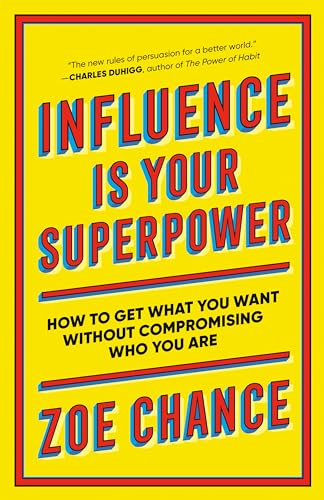
Influence Is Your Superpower by Zoe Chance

Influence Is Your Superpower

by Zoe Chance

star4.2

Chance draws on behavioural science to show that influence means reducing friction, not manipulating people. The most underused persuasion tool is simply asking for what you want.

psychologybusiness
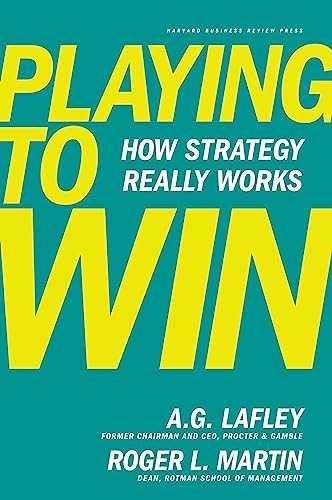
Playing to Win by A.G. Lafley

Playing to Win

by A.G. Lafley

star4.2

Lafley distills strategy into five choices: aspiration, where to play, how to win, capabilities, and systems. Strategy isn't a vision statement - it's reinforcing decisions.

business
Upstream by Dan Heath

Upstream

by Dan Heath

star4.2

Heath argues we spend too much time reacting to problems when we should prevent them upstream. The shift requires overcoming tunneling, ownership gaps, and the invisibility of non-events.

businesspsychology
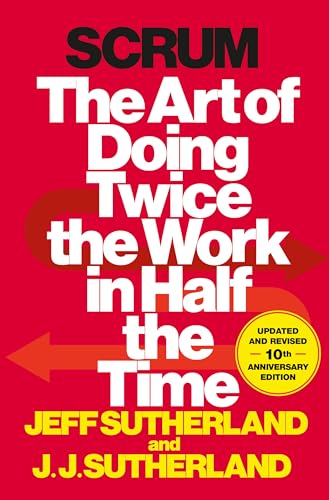
Scrum by Jeff Sutherland

Scrum

by Jeff Sutherland

star4.2

Sutherland explains Scrum, short sprints, daily stand-ups, iterative delivery, as a way to get more done in less time. Embrace change and deliver working results, not rigid plans.

technologybusiness
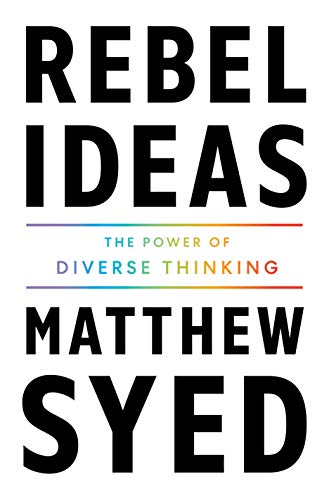
Rebel Ideas by Matthew Syed

Rebel Ideas

by Matthew Syed

star4.2

Syed shows that cognitive diversity, not demographic diversity alone, is the engine of collective intelligence. Teams that think differently unlock solutions no individual could find.

psychologybusiness
The Fearless Organization by Amy Edmondson

The Fearless Organization

by Amy Edmondson

star4.2

Edmondson shows that psychological safety, the freedom to speak up without punishment, is the foundation of high-performing teams. Without it, people hide mistakes and learning collapses.

business
Linchpin by Seth Godin

Linchpin

by Seth Godin

star4.2

Godin argues that the industrial-era compliance worker is obsolete, and the new indispensable worker is the linchpin who does emotional labor, gives gifts, and ships art. He tells readers to fight the lizard brain, the seat of Resistance, that keeps them safe, average, and interchangeable.

businessself-help
Chaos Monkeys: Obscene Fortune and Random Failure in Silicon Valley by Antonio Garcia Martinez

Chaos Monkeys: Obscene Fortune and Random Failure in Silicon Valley

by Antonio Garcia Martinez

star4.2

Garcia Martinez recounts his arc from Goldman Sachs quant to Y Combinator founder to Facebook ad-targeting product manager, detailing how Facebook's advertising machine actually works beneath the PR gloss. The book argues that Silicon Valley is a casino where most founders lose and value accrues to a tiny number of well-positioned insiders.

technologybusiness
Move Fast and Break Things: How Facebook, Google, and Amazon Cornered Culture and Undermined Democracy by Jonathan Taplin

Move Fast and Break Things: How Facebook, Google, and Amazon Cornered Culture and Undermined Democracy

by Jonathan Taplin

star4.2

Taplin, a former music-industry executive and USC director, argues that the concentration of platform power in Facebook, Google, and Amazon destroyed the economics of creative work and eroded democratic discourse. The book argues that libertarian ideology inherited from Peter Thiel's circle turned monopolistic platforms into an unexamined political project.

technologybusiness
Legacy: What the All Blacks Can Teach Us About the Business of Life by James Kerr

Legacy: What the All Blacks Can Teach Us About the Business of Life

by James Kerr

star4.12

James Kerr goes inside the New Zealand All Blacks - the most successful sporting team in history with a 77% winning record over more than a century - to extract 15 powerful lessons in leadership, culture, and sustained excellence. Through concepts like 'Sweep the Sheds' (leaders do the menial work) and 'No Dickheads' (character over talent), Kerr reveals how the All Blacks built an organisational culture of humility, purpose, and collective accountability that transcends individual eras and players.

sportsleadership
Tribe of Mentors by Tim Ferriss

Tribe of Mentors

by Tim Ferriss

star4.1

Ferriss distils advice from 130 world-class performers into actionable tactics. The recurring theme: success comes from deliberate routines, selective focus, and embracing discomfort.

businessself-help
The One Thing by Gary Keller

The One Thing

by Gary Keller

star4.1

Keller argues that extraordinary results come from focusing on the single most important task, not juggling many. The key question: what is the one thing that makes everything else easier?

self-helpbusiness
Lean Analytics by Alistair Croll

Lean Analytics

by Alistair Croll

star4.1

Croll and Yoskovitz argue that startups must pick the one metric that matters at each stage. Vanity metrics deceive, actionable analytics drive real growth decisions.

businesstechnology
An Elegant Puzzle by Will Larson

An Elegant Puzzle

by Will Larson

star4.1

Larson tackles the messy reality of engineering management: reorgs, on-call, technical debt, and hiring. Systems thinking, not heroics, is how engineering leaders scale themselves and their organisations.

technologybusiness
Loonshots by Safi Bahcall

Loonshots

by Safi Bahcall

star4.1

Bahcall argues that breakthroughs die not from bad ideas but from bad organisational structure. Separating 'artists' from 'soldiers' and manageing the transfer between them nurtures radical innovation.

businessscience
Multipliers by Liz Wiseman

Multipliers

by Liz Wiseman

star4.1

Wiseman finds that the best leaders are multipliers who amplify the intelligence of everyone around them. Diminishers, by contrast, shut people down and get less than half their team's capability.

business
The Startup Owner's Manual by Steve Blank

The Startup Owner's Manual

by Steve Blank

star4.1

Blank provides a step-by-step method for building startups by testing business model hypotheses with real customers. The manual turns customer development into repeatable, actionable stages.

businessentrepreneurship
Great by Choice by Jim Collins

Great by Choice

by Jim Collins

star4.1

Collins finds companies thriving in chaos succeed through disciplined consistency, not bold risk-taking. The best leaders combine fanatic discipline, empirical creativity, and productive paranoia.

businessleadership
The First 90 Days by Michael Watkins

The First 90 Days

by Michael Watkins

star4.1

Watkins argues the first ninety days in a new role define long-term success or failure. Early wins, relationship building, and matching strategy to situation prevent common transition traps.

businessleadership
Originals by Adam Grant

Originals

by Adam Grant

star4.1

Grant studies how non-conformists drive change by being surprisingly strategic. Originals succeed not through reckless risk but by generating many ideas and timing their moves carefully.

businesspsychology
The Unicorn Project by Gene Kim

The Unicorn Project

by Gene Kim

star4.1

Kim follows a developer rescuing a system trapped in technical debt and dysfunction. The novel dramatizes five DevOps ideals: locality, focus, flow, joy, and psychological safety.

technologybusiness
Adapt by Tim Harford

Adapt

by Tim Harford

star4.1

Harford argues complex problems yield to biological-style trial and error, not top-down grand plans. Adaptation needs variation, survivable failure, and honest selection, most institutions resist all three.

businessscience
AI Superpowers: China, Silicon Valley, and the New World Order by Kai-Fu Lee

AI Superpowers: China, Silicon Valley, and the New World Order

by Kai-Fu Lee

star4.1

Kai-Fu Lee, a former president of Google China and venture capitalist, draws on his unique experience in both American and Chinese tech ecosystems to argue that China is poised to overtake the US in AI deployment thanks to its vast data reserves, aggressive entrepreneurs, and supportive government policies. He warns that AI-driven automation could displace 40 percent of world jobs within fifteen years and proposes a human-centreed economic restructuring built around compassion and service.

technologybusiness
Company of One by Paul Jarvis

Company of One

by Paul Jarvis

star4

Jarvis challenges the assumption that growth is always good. Some businesses are better kept small - profitable, autonomous, and aligned with the founder's actual life goals.

business
Tribal Leadership by Dave Logan

Tribal Leadership

by Dave Logan

star4

Logan identifies five tribal stages that define workplace cultures, from hostile survival to visionary collaboration. Upgrading your tribe's language and relationships unlocks the next performance level.

business
Disrupt Yourself by Whitney Johnson

Disrupt Yourself

by Whitney Johnson

star4

Johnson argues the best career moves come from disrupting yourself, leaping to a new learning curve before the current one plateaus. Personal disruption requires embracing beginner discomfort.

businessself-help
How the Mighty Fall by Jim Collins

How the Mighty Fall

by Jim Collins

star4

Collins identifies a five-stage pattern of decline, from the hubris of success to capitulation. Decline is largely self-inflicted and invisible until the late stages, but early detection helps.

businessleadership
The Halo Effect by Phil Rosenzweig

The Halo Effect

by Phil Rosenzweig

star4

Rosenzweig exposes how a company's results color every assessment of its strategy - the halo effect. Most business bestsellers confuse correlation with causation and storytelling with science.

businesspsychology
Primal Leadership by Daniel Goleman

Primal Leadership

by Daniel Goleman

star4

Goleman argues a leader's emotional state is contagious and directly shapes team performance. Effective leaders master resonance - driving emotions positively through self-awareness and empathy.

businessleadership
Messy by Tim Harford

Messy

by Tim Harford

star4

Harford argues that messy environments, improvisation, and randomness often outperform rigid planning. Disorder fuels creativity and resilience when we stop fighting it.

psychologybusiness
Triggers by Marshall Goldsmith

Triggers

by Marshall Goldsmith

star4

Goldsmith identifies the environmental triggers that derail behavioural change, even with the best intentions. Lasting improvement requires structure, active questions, and constant vigilance.

self-helpbusiness
Why We Buy by Paco Underhill

Why We Buy

by Paco Underhill

star4

Underhill applies anthropological observation to retail, revealing how store layout and shopper behaviour shape what gets bought. Purchases are driven more by environment and habit than by ads or price.

businesspsychology
Relentless: From Good to Great to Unstoppable by Tim S. Grover

Relentless: From Good to Great to Unstoppable

by Tim S. Grover

star3.95

Legendary trainer Tim Grover, who worked with Michael Jordan, Kobe Bryant, and Dwyane Wade, reveals the ruthless mental framework that separates elite competitors from everyone else. Grover categorizes performers into three tiers (Coolers, Closers, and Cleaners) and argues that truly unstoppable athletes are driven by an insatiable dark side, an addiction to pressure, and an unwillingness to settle that goes far beyond talent or physical conditioning.

sports-psychologyself-help
Blitzscaling by Reid Hoffman

Blitzscaling

by Reid Hoffman

star3.9

Hoffman argues that some markets reward blitzscaling: prioritising speed over efficiency under uncertainty. Growing fast and messy beats growing carefully when winner-takes-most dynamics apply.

businesstechnology
Skin in the Game by Nassim Nicholas Taleb

Skin in the Game

by Nassim Nicholas Taleb

star3.9

Taleb argues that people who don't bear consequences of their decisions create fragility. Real knowledge requires personal risk - without skin in the game, incentives become dangerously misaligned.

philosophybusiness
Payoff by Dan Ariely

Payoff

by Dan Ariely

star3.9

Ariely explores hidden forces behind motivation, finding that meaning and ownership matter far more than money. Small gestures of recognition often outperform large financial incentives.

psychologybusiness
The Lean Mindset by Mary Poppendieck

The Lean Mindset

by Mary Poppendieck

star3.9

Poppendieck applies lean principles to software, arguing that sustainable speed comes from reducing waste and empowering teams. The shift is from manageing output to optimizing for continuous learning.

businesstechnology
The Startup Way by Eric Ries

The Startup Way

by Eric Ries

star3.9

Ries extends lean startup thinking into large enterprises, arguing established companies need entrepreneurial management to innovate. Internal startups with validated learning can coexist with core business.

businesstechnology
Alive at Work by Daniel Cable

Alive at Work

by Daniel Cable

star3.9

Cable argues modern organisations crush innate drives to explore, experiment, and self-express. Reigniting engagement means activating people's seeking systems, not just rewarding compliance.

businesspsychology
Prediction Machines: The Simple Economics of Artificial Intelligence by Ajay Agrawal, Joshua Gans, and Avi Goldfarb

Prediction Machines: The Simple Economics of Artificial Intelligence

by Ajay Agrawal, Joshua Gans, and Avi Goldfarb

star3.9

Three economists from the University of Toronto's Rotman School of Management reframe AI as a technology that dramatically reduces the cost of prediction, then apply standard microeconomic theory to trace its cascading effects on decision-making, business strategy, and industry structure. By decomposing tasks into prediction, judgement, data, and action components, they provide a practical framework for managers to identify where AI will create value and where human judgement remains essential.

technologybusiness
Change by Design: How Design Thinking Transforms Organizations and Inspires Innovation by Tim Brown

Change by Design: How Design Thinking Transforms Organizations and Inspires Innovation

by Tim Brown

star3.88

IDEO CEO Tim Brown presents design thinking as a systematic approach to innovation that can be applied far beyond traditional design disciplines. Drawing on decades of experience at IDEO, he shows how empathy, prototyping, and iterative experimentation can transform organisations and solve complex business and social challenges. The book provides a roadmap for leaders who want to embed design thinking into their organisations' culture and strategy.

businessdesign
Sway by Ori Brafman

Sway

by Ori Brafman

star3.8

Brafman examines hidden psychological forces, loss aversion, commitment escalation, diagnosis bias, that pull rational people into irrational behavior. These currents operate beneath awareness.

psychologybusiness
The Management Myth by Matthew Stewart

The Management Myth

by Matthew Stewart

star3.8

Stewart dismantles the idea that management is a rigorous discipline, showing how consulting and MBA programs built an industry on pseudoscience. Management theory is philosophy in scientific dress.

businessphilosophy