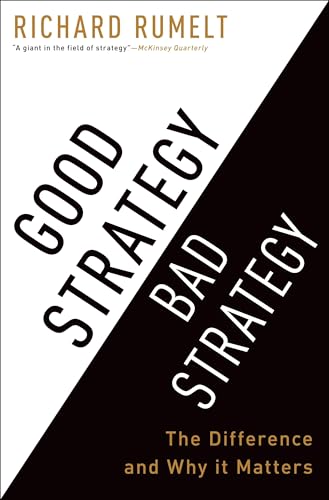
Good Strategy Bad Strategy: The Difference and Why It Matters

Good Strategy Bad Strategy: The Difference and Why It Matters

by Richard Rumelt

star4.5

Rumelt argues that most corporate strategy is actually bad strategy masquerading as vision, goals, and fluff, and that good strategy has a specific logical structure he calls the kernel: diagnosis, guiding policy, and coherent action. He draws on military history, business turnarounds, and decision science to show how insight into the crux of a situation beats template-driven planning.

Published:
Pages:
336
Buy on Amazon

In the Conversation

In this collection, Good Strategy Bad Strategy: The Difference and Why It Matters references 4 other books.

It draws on Thinking, Fast and Slow, The Art of War and The Innovator's Dilemma.

Scroll down to read the exact passages where other authors reference this book and what they say about it.

What This Book Draws On

4

The books Rumelt references and why each one mattered to the argument.

Rumelt explicitly borrows Kahneman and Lovallo's 'inside view' concept from Thinking, Fast and Slow in his chapter on strategic forecasting and planning biases

Thinking, Fast and Slow

References

Thinking, Fast and Slow

by Daniel Kahneman

Buy

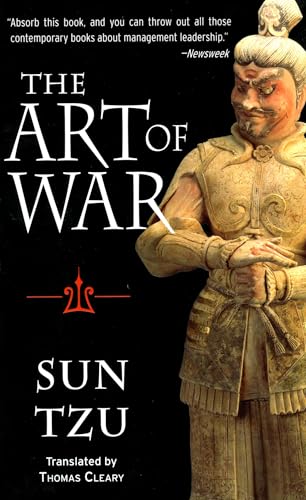
Draws repeatedly on Sun Tzu's Art of War as a foundational text on strategy as the deliberate concentration of strength against weakness

The Art of War

References

The Art of War

by Sun Tzu

Buy

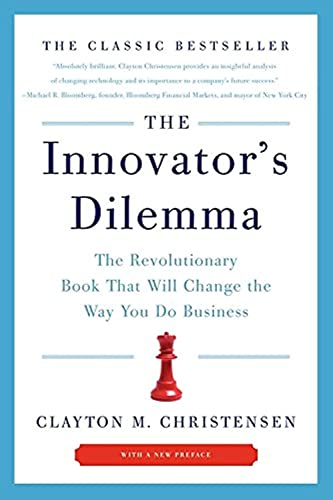
Engages with Christensen's Innovator's Dilemma when analyzing why well-run companies fail to respond to technological disruption in chapters on inertia and entropy

The Innovator's Dilemma

References

The Innovator's Dilemma

by Clayton Christensen

Buy

Cites Andy Grove's strategic inflection point concept from High Output Management and his Intel turnaround as an exemplar of good strategy built on honest diagnosis

High Output Management

References

High Output Management

by Andrew Grove

Buy

What Other Authors Say About It

No books citing this title yet.

Intellectual Lineage

How ideas flow through the citation network. Ancestors are books this title builds on; descendants are books that build on it.

Unexpected Connections

Books from completely different categories that share citation overlap with this one. These are the reads you would not find by browsing a single shelf.

If you liked this, try

Books with the highest citation overlap within the same categories.

Citation Network

This book and its direct connections. Hover a node to see its title, click to visit.

Books this book cites
Books that cite this book
Larger dot = more connections
Thinking, Fast and Slow

Hover a node to highlight its connections. Click to open the book page. Node size reflects total citation links.