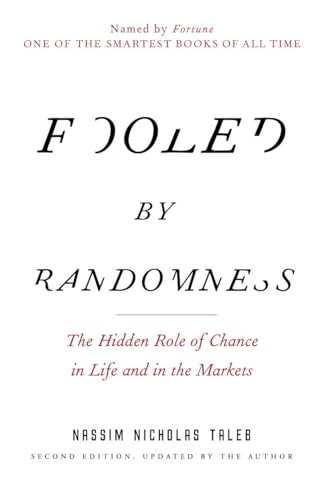
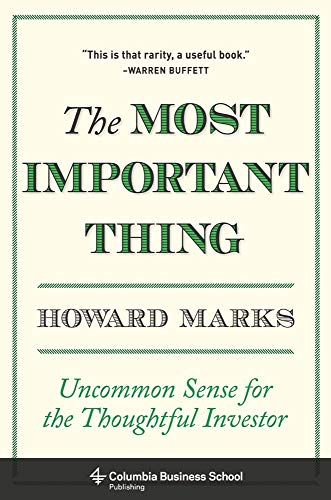
Fooled by Randomness is the book that investors and decision-makers cite when they want to puncture overconfidence about skill versus luck. Howard Marks devotes an entire chapter in The Most Important Thing to luck and randomness, opening by quoting Taleb and calling it one of the most important books an investor can read. Michael Mauboussin treats it as the essential primer on why process beats outcomes, and Gregory Zuckerman contrasts Jim Simons's success with Taleb's critique, arguing Renaissance Capital succeeded precisely by respecting randomness rather than denying it.
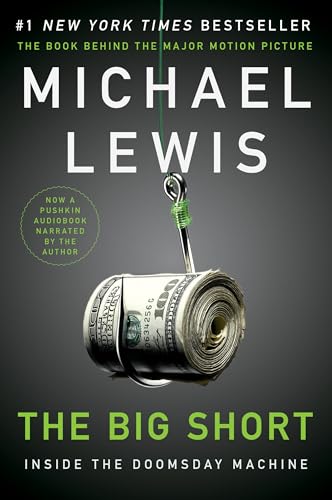
Michael Lewis builds on its argument in The Big Short, showing how mortgage desks mistook systemic risk for clever innovation. Readers appreciate Taleb's irreverent style and contrarian thinking, though some find his tone abrasive and his anecdotal approach less rigorous than his ideas deserve.