Radical Candor
by Kim Scott
star4.1
Scott argues that great management requires caring personally while challenging directly. Most managers fail by being either ruinously empathetic or obnoxiously aggressive.
- Published:
- Pages:
- 272
by Kim Scott
Scott argues that great management requires caring personally while challenging directly. Most managers fail by being either ruinously empathetic or obnoxiously aggressive.
In this collection, Radical Candor references 1 other book and is cited by 4 other books.
It draws on Creativity, Inc..
It’s picked up by The Manager's Path: A Guide for Tech Leaders Navigating Growth and Change, Nine Lies About Work: A Freethinking Leader's Guide to the Real World and Powerful: Building a Culture of Freedom and Responsibility and 1 others.
Scroll down to read the exact passages where other authors reference this book and what they say about it.
The books Scott references and why each one mattered to the argument.
Scott describes her own leadership journey as parallel to Catmull's at Pixar, drawing on Creativity Inc. to illustrate how building a culture of honest feedback requires both caring personally and challenging directly.
The exact passages where other authors bring up “Radical Candor” and what they take from it.
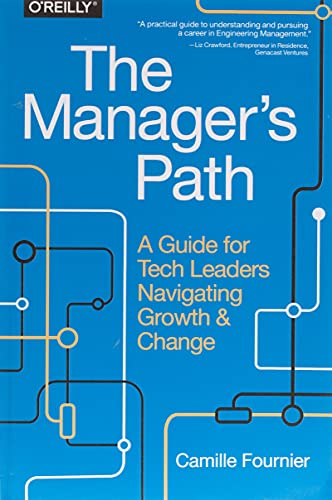
Fournier's advice on delivering feedback at every management level draws heavily on Kim Scott's Radical Candor model of caring personally while challenging directly
Cited in
The Manager's Path: A Guide for Tech Leaders Navigating Growth and Changeby Camille Fournier
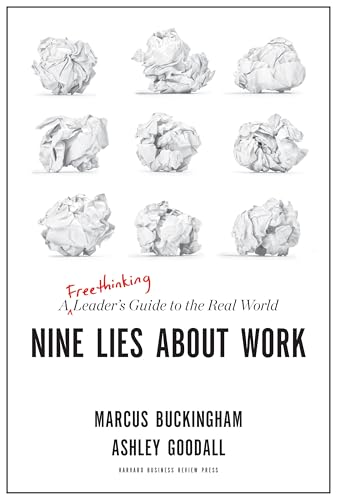
Buckingham directly challenges the radical candor framework by arguing that negative feedback does not drive learning; people grow most from attention to their strengths, not correction of weaknesses
Cited in
Nine Lies About Work: A Freethinking Leader's Guide to the Real Worldby Marcus Buckingham and Ashley Goodall
McCord's radical honesty framework at Netflix directly parallels Kim Scott's Radical Candor model; both advocate creating cultures where honest, caring feedback is the norm rather than the exception
Kim Scott's work is cited to show that at Alphabet (formerly Google), dissension is actively encouraged. Martell uses this to argue that healthy feedback cultures are essential for scaling organisations.
Chapter 12
How ideas flow through the citation network. Ancestors are books this title builds on; descendants are books that build on it.
Books from completely different categories that share citation overlap with this one. These are the reads you would not find by browsing a single shelf.
Books with the highest citation overlap within the same categories.
This book and its direct connections. Hover a node to see its title, click to visit.
Hover a node to highlight its connections. Click to open the book page. Node size reflects total citation links.