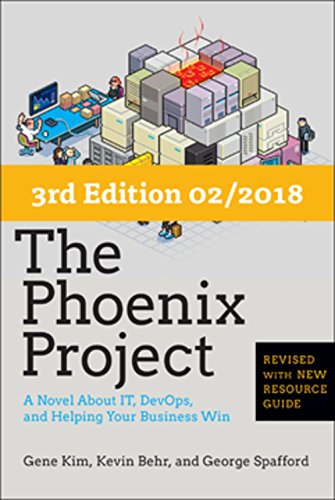
The Phoenix Project
by Gene Kim
star4.3
Kim uses a novel format to show how DevOps principles, flow, feedback, and continual learning, can rescue a failing IT organisation. A parable about breaking down silos.
- Published:
- Pages:
- 432
by Gene Kim
Kim uses a novel format to show how DevOps principles, flow, feedback, and continual learning, can rescue a failing IT organisation. A parable about breaking down silos.
In this collection, The Phoenix Project references 1 other book and is cited by 4 other books.
It draws on Good to Great.
It’s picked up by The Unicorn Project, The DevOps Handbook and Site Reliability Engineering: How Google Runs Production Systems and 1 others.
Scroll down to read the exact passages where other authors reference this book and what they say about it.
The books Kim references and why each one mattered to the argument.
Kim weaves Collins's management principles into the novel's plot, showing how the IT transformation mirrors the Good to Great journey from reactive chaos to disciplined execution.
The exact passages where other authors bring up “The Phoenix Project” and what they take from it.
The Unicorn Project is companion to Kim's Phoenix Project.
The DevOps Handbook is companion to Kim's Phoenix Project.
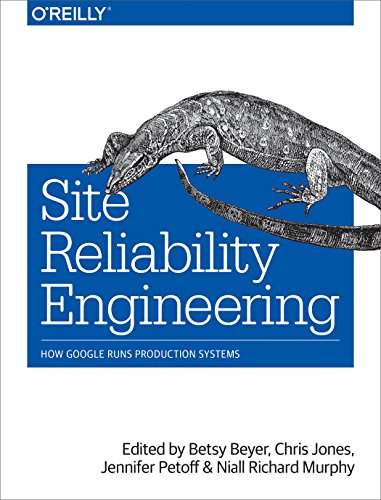
Google's SREs reference Kim's Phoenix Project as the canonical articulation of the Dev/Ops conflict that Google addresses by staffing operations with engineers who write software.
Cited in
Site Reliability Engineering: How Google Runs Production Systemsby Betsy Beyer, Chris Jones, Jennifer Petoff, Niall Richard Murphy
Forsgren, Humble, and Kim reference Kim's own Phoenix Project as the narrative foundation for the DevOps practices they empirically validate in this book.
How ideas flow through the citation network. Ancestors are books this title builds on; descendants are books that build on it.
Directly cites
Books from completely different categories that share citation overlap with this one. These are the reads you would not find by browsing a single shelf.
Books with the highest citation overlap within the same categories.
This book and its direct connections. Hover a node to see its title, click to visit.
Hover a node to highlight its connections. Click to open the book page. Node size reflects total citation links.