The 7 Habits of Highly Effective People

The 7 Habits of Highly Effective People

by Stephen Covey

star4.5

Covey argues lasting effectiveness comes from character, not technique. His framework moves from dependence to independence to interdependence through principle-centred habits.

Published:
Pages:
432
Buy on Amazon

In the Conversation

In this collection, The 7 Habits of Highly Effective People references 2 other books and is cited by 23 other books.

It draws on Man's Search for Meaning and How to Win Friends and Influence People.

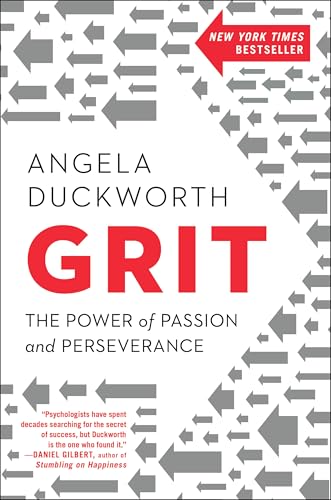
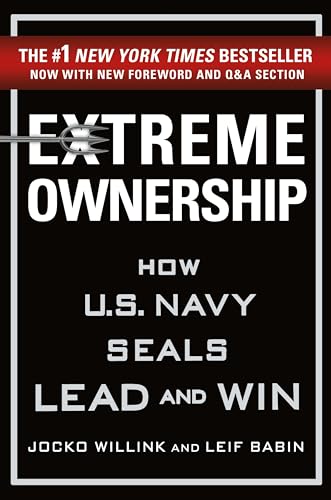
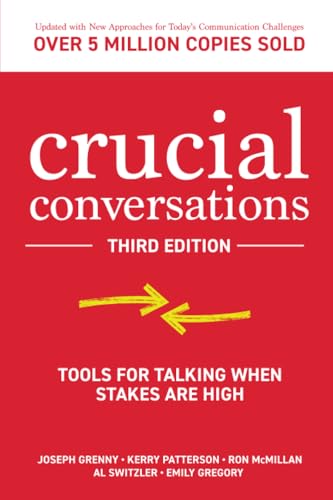
It’s picked up by Grit, Extreme Ownership and Crucial Conversations and 20 others.

Scroll down to read the exact passages where other authors reference this book and what they say about it.

What People Say

Covey's principle-centreed framework for moving from dependence to independence to interdependence has been a cornerstone of leadership and personal development literature since its publication. His ideas appear throughout adjacent works - Brian Moran builds The 12 Week Year on Covey's 'Begin with the End in Mind' and 'Put First Things First,' while John Maxwell's leadership laws directly parallel Covey's habits of proactivity and prioritization.

The book is notable for grounding self-help in character ethics rather than personality techniques, a distinction Covey himself draws by contrasting his approach with Dale Carnegie's. Some readers find the corporate-seminar tone and acronyms off-putting, and critics argue the framework can feel abstract without concrete implementation steps, but its enduring influence on leadership training and personal effectiveness programs worldwide is difficult to overstate.

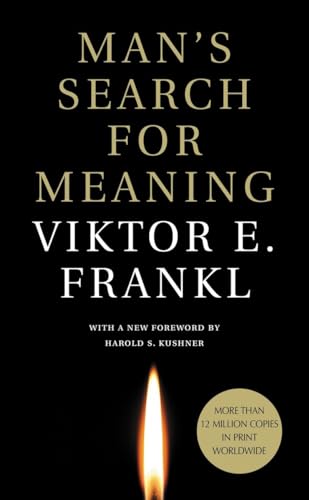
What This Book Draws On

2

The books Covey references and why each one mattered to the argument.

What Other Authors Say About It

23

The exact passages where other authors bring up “The 7 Habits of Highly Effective People” and what they take from it.

Duckworth discusses Covey's begin with the end in mind.

Grit

Cited in

Grit

by Angela Duckworth

Buy

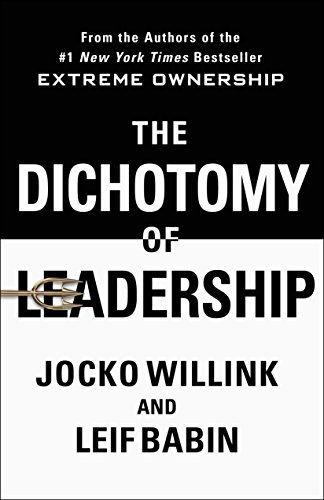
Willink references Covey's proactivity as aligned with extreme ownership.

Extreme Ownership

Cited in

Extreme Ownership

by Jocko Willink

Buy

References Covey's 7 Habits idea of the emotional bank account when describing how small deposits of generosity sustain long-term relationships

Never Eat Alone

Cited in

Never Eat Alone

by Keith Ferrazzi

Buy

Intellectual Lineage

How ideas flow through the citation network. Ancestors are books this title builds on; descendants are books that build on it.

Unexpected Connections

Books from completely different categories that share citation overlap with this one. These are the reads you would not find by browsing a single shelf.

If you liked this, try

Books with the highest citation overlap within the same categories.

Citation Network

This book and its direct connections. Hover a node to see its title, click to visit.

Books this book cites
Books that cite this book
Larger dot = more connections
The 7 Habits of Highly E…Man's Search for MeaningBuy Back Your TimeTools of Titans

Hover a node to highlight its connections. Click to open the book page. Node size reflects total citation links.