In the Plex: How Google Thinks, Works, and Shapes Our Lives

In the Plex: How Google Thinks, Works, and Shapes Our Lives

by Steven Levy

star4.4

Levy had unprecedented access to Google's founders, engineers, and executives over two years to chronicle the company's algorithms, culture, and strategic battles. Levy argues that Google's engineering-led culture and willingness to automate judgement represented a fundamentally new way of building a company.

Published:
Pages:
432
Buy on Amazon

In the Conversation

In this collection, In the Plex: How Google Thinks, Works, and Shapes Our Lives references 3 other books and is cited by 10 other books.

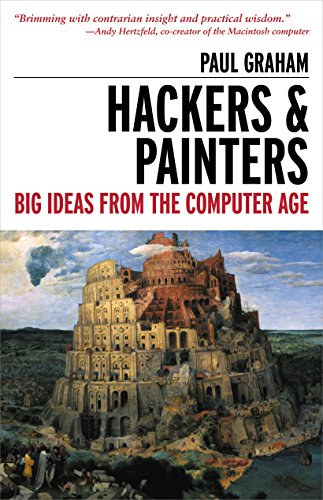
It draws on The Innovator's Dilemma, Steve Jobs and Hackers and Painters.

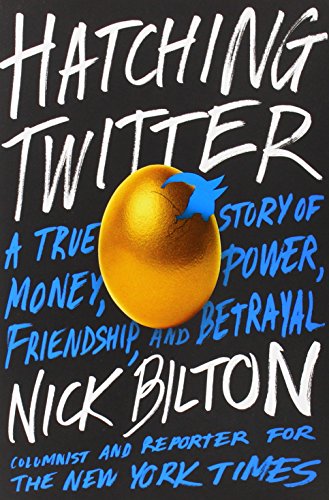
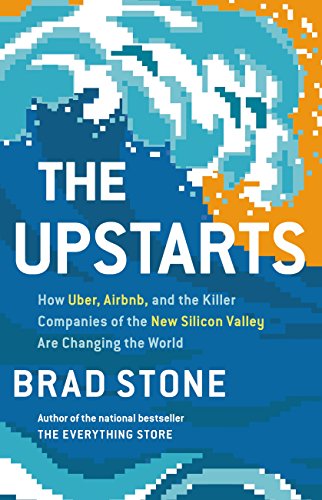
It’s picked up by Hatching Twitter: A True Story of Money, Power, Friendship, and Betrayal, The Upstarts: How Uber, Airbnb, and the Killer Companies of the New Silicon Valley Are Changing the World and Chaos Monkeys: Obscene Fortune and Random Failure in Silicon Valley and 7 others.

Scroll down to read the exact passages where other authors reference this book and what they say about it.

What People Say

In the Plex is the go-to reference for understanding Google's internal culture, ad-auction mechanics, and engineering-driven decision-making, cited by nearly every major book about Silicon Valley's power. Antonio Garcia Martinez uses it as the comparative account of Google's ad system against which he reconstructs Facebook's competing machinery in Chaos Monkeys, while Jonathan Taplin cites it when indicting the search-advertising business model in Move Fast and Break Things.

David Sanger draws on Levy's reporting of the Google-China confrontation in The Perfect Weapon, and Jaron Lanier references the book repeatedly when arguing that Google's advertising economics represent the paradigmatic exploitative business model. Readers praise Levy's unprecedented access and his ability to make technical subjects legible, finding it an indispensable companion to Stone's The Everything Store for anyone trying to understand how Big Tech actually works.
What This Book Draws On

3

The books Levy references and why each one mattered to the argument.

Levy uses Christensen's Innovator's Dilemma framework to explain Google's self-disruption discipline and its response to mobile threats

The Innovator's Dilemma

References

The Innovator's Dilemma

by Clayton Christensen

Buy

Levy contrasts Google's engineering-driven culture with the design-driven Apple culture Isaacson documented in Steve Jobs

Steve Jobs

References

Steve Jobs

by Walter Isaacson

Buy

Levy draws on the hacker-founder archetype Paul Graham articulated in Hackers and Painters to characterize Page and Brin's engineering mindset

Hackers and Painters

References

Hackers and Painters

by Paul Graham

Buy

What Other Authors Say About It

10

The exact passages where other authors bring up “In the Plex: How Google Thinks, Works, and Shapes Our Lives” and what they take from it.

Isaac draws on Levy's In the Plex for the comparative Google culture that Kalanick admired and tried to adapt for Uber's engineering organisation

Intellectual Lineage

How ideas flow through the citation network. Ancestors are books this title builds on; descendants are books that build on it.

Unexpected Connections

Books from completely different categories that share citation overlap with this one. These are the reads you would not find by browsing a single shelf.

If you liked this, try

Books with the highest citation overlap within the same categories.

Citation Network

This book and its direct connections. Hover a node to see its title, click to visit.

Books this book cites
Books that cite this book
Larger dot = more connections
The Innovator's DilemmaSteve Jobs

Hover a node to highlight its connections. Click to open the book page. Node size reflects total citation links.