Zero to One
by Peter Thiel
star4.5
Thiel argues that true innovation means creating something entirely new, not copying what exists. Competition is for losers, monopoly through unique value is how lasting companies are built.
- Published:
- Pages:
- 224
by Peter Thiel
Thiel argues that true innovation means creating something entirely new, not copying what exists. Competition is for losers, monopoly through unique value is how lasting companies are built.
In this collection, Zero to One references 2 other books and is cited by 7 other books.
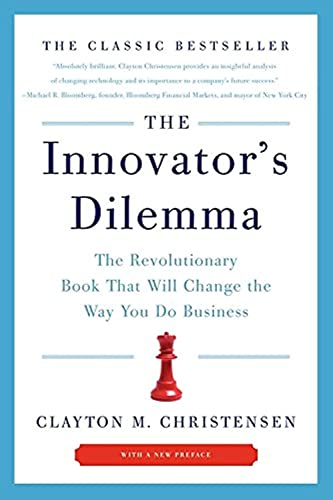
It draws on The Innovator's Dilemma and The Lean Startup.
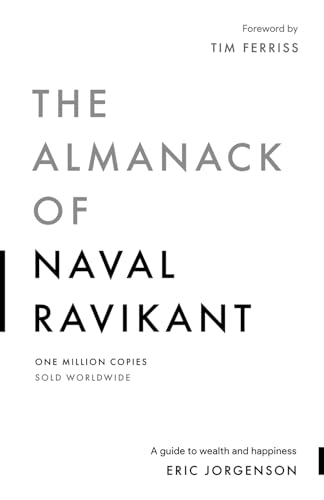
It’s picked up by The Almanack of Naval Ravikant, Blitzscaling and Venture Deals: Be Smarter Than Your Lawyer and Venture Capitalist and 4 others.
Scroll down to read the exact passages where other authors reference this book and what they say about it.
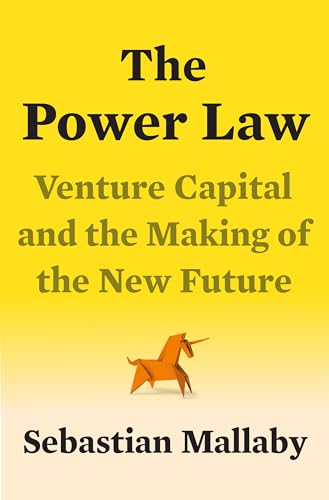
Zero to One is one of the most debated startup books, praised for its contrarian thinking and scrutinized for its bold claims. Reid Hoffman quotes Thiel on contrarian thinking in Blitzscaling, and Sebastian Mallaby centres The Power Law on Thiel's thesis that venture capital is fundamentally about chasing monopoly-scale power-law outcomes rather than diversified returns. Ali Tamaseb's Super Founders empirically tests Thiel's claims against actual unicorn data, finding that first-mover advantage is far weaker than Thiel implies while confirming his points about market structure and secrets.
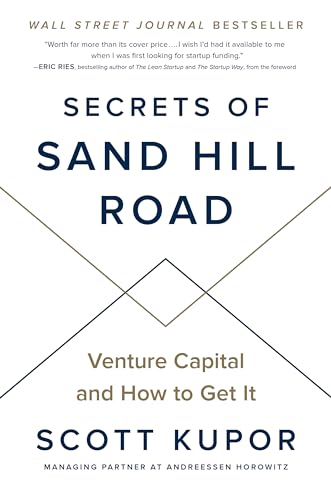
Scott Kupor and Brad Feld both use Thiel's framework to explain why VCs structure deals the way they do. Readers find its core argument -- that creating something genuinely new beats competing in existing markets -- intellectually bracing, though critics note Thiel's confidence sometimes outpaces his evidence and that his advice is hard to operationalize for founders without PayPal-level resources.
The books Thiel references and why each one mattered to the argument.
Thiel critiques Christensen's incremental disruption framework.
Thiel references lean startup methodology, critiquing iterating without bold vision.
The exact passages where other authors bring up “Zero to One” and what they take from it.
Naval references Thiel's Zero to One on monopolies.
Hoffman quotes Thiel's Zero to One on contrarian thinking.
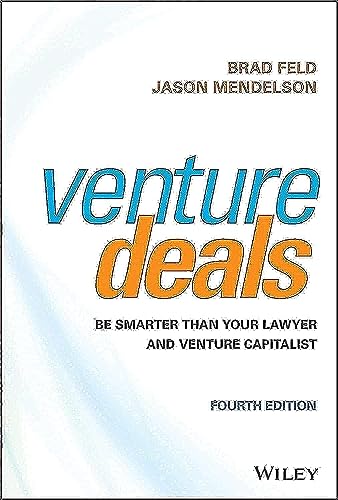
Engages Thiel's Zero to One on why VCs chase power-law outliers, using that framing to explain why liquidation preferences and anti-dilution clauses are structured the way they are
Cited in
Venture Deals: Be Smarter Than Your Lawyer and Venture Capitalistby Brad Feld and Jason Mendelson
Builds on Thiel's Zero to One argument about power-law returns to explain why VCs structure portfolios for outlier outcomes rather than average returns, shaping everything from check sizes to reserves
Centres the book on Thiel's power-law thesis from Zero to One, using it as the analytical frame for why VC investing differs from public-market investing and why monopoly outcomes matter more than diversification
Tests Thiel's Zero to One claims about monopoly, market size, and being first empirically against the unicorn dataset, finding first-mover advantage far weaker than Thiel implies while confirming his points about secrets and market structure
How ideas flow through the citation network. Ancestors are books this title builds on; descendants are books that build on it.
Directly cites
Books from completely different categories that share citation overlap with this one. These are the reads you would not find by browsing a single shelf.
Books with the highest citation overlap within the same categories.
This book and its direct connections. Hover a node to see its title, click to visit.
Hover a node to highlight its connections. Click to open the book page. Node size reflects total citation links.