Deep Work
by Cal Newport
star4.6
Newport argues that the ability to focus without distraction is increasingly rare and increasingly valuable. Deep work is the superpower of the knowledge economy.
- Published:
- Pages:
- 304
by Cal Newport
Newport argues that the ability to focus without distraction is increasingly rare and increasingly valuable. Deep work is the superpower of the knowledge economy.
In this collection, Deep Work references 3 other books and is cited by 14 other books.
It draws on Flow, The Pragmatic Programmer and The 4-Hour Workweek.
It’s picked up by Atomic Habits, Stillness Is the Key and Digital Minimalism and 11 others.
Scroll down to read the exact passages where other authors reference this book and what they say about it.
Deep Work is the book that launched an entire subgenre of focus-and-attention literature, and nearly every productivity author writing today positions their work in relation to Newport's framework. James Clear references it as essential for deliberate practice, Johann Hari interviews Newport directly in Stolen Focus, and Scott Young treats its concentration arguments as a prerequisite for intense skill acquisition in Ultralearning.
Chris Bailey acknowledges Deep Work as the foundation while adding neuroscience in Hyperfocus, and Jake Knapp and John Zeratsky explicitly map their Make Time system onto Newport's deep-work block scheduling. Readers praise it for providing both the philosophical case and practical tactics for sustained focus, though Chris Bailey notes in How to Calm Your Mind that Newport's prescription can feel unsustainable without first addressing chronic overstimulation.
The books Newport references and why each one mattered to the argument.
Newport cites Csikszentmihalyi's Flow research to argue that deep work is not just productive but deeply satisfying. The state of flow that comes from concentrated effort is a key source of meaning in professional life.
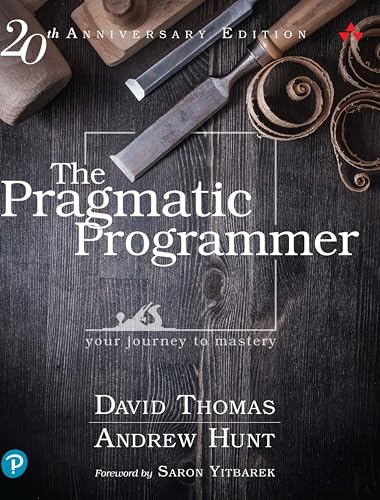
Newport references The Pragmatic Programmer's philosophy of craftsmanship, using it to argue that knowledge workers should treat their cognitive skills with the same rigour as software engineers treat their code.
Newport explicitly critiques Ferriss's 4-Hour Workweek approach, arguing that the "new rich" lifestyle of minimal work misses the deep satisfaction that comes from mastering cognitively demanding tasks.
The exact passages where other authors bring up “Deep Work” and what they take from it.
Clear references Newport's deep work philosophy to argue that focused, distraction-free practice is essential for building expertise through deliberate repetition.
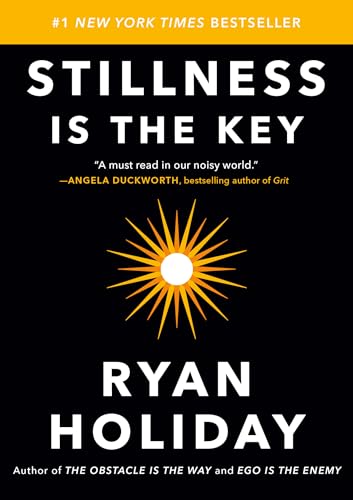
Holiday references Newport's Deep Work on focused concentration.
Digital Minimalism directly follows Deep Work.
Burkeman engages with Newport's Deep Work on finite time.
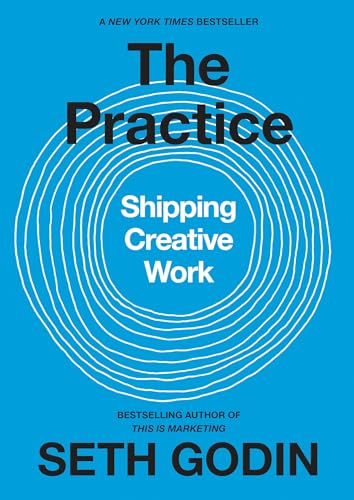
References Newport's Deep Work when arguing that shipping creative work requires structured practice sessions insulated from distraction
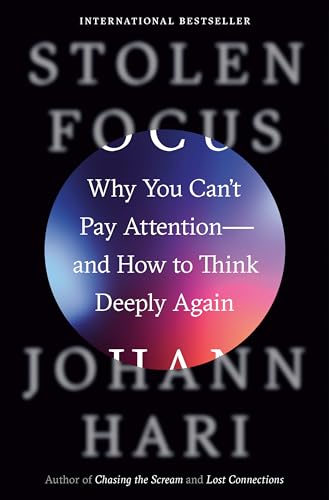
Hari interviews Cal Newport and draws on Deep Work's framework that sustained concentration on cognitively demanding tasks is both rare and economically valuable in the attention economy.
How ideas flow through the citation network. Ancestors are books this title builds on; descendants are books that build on it.
Directly cites
Directly cited by
Books from completely different categories that share citation overlap with this one. These are the reads you would not find by browsing a single shelf.

Thinking, Fast and Slow
Daniel Kahneman
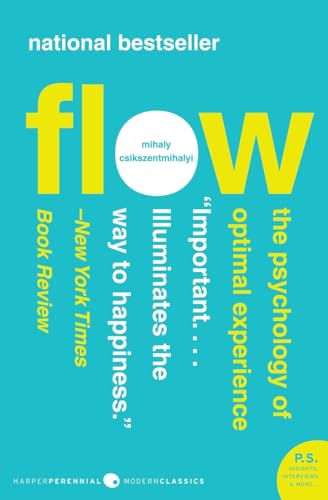
Flow
Mihaly Csikszentmihalyi
Meditations
Marcus Aurelius
Sapiens
Yuval Noah Harari
Indistractable
Nir Eyal
The Rise of Superman
Steven Kotler
Books with the highest citation overlap within the same categories.
This book and its direct connections. Hover a node to see its title, click to visit.
Hover a node to highlight its connections. Click to open the book page. Node size reflects total citation links.