Getting Things Done
by David Allen
star4.5
Allen's system externalises every commitment from your mind into a trusted workflow. The core insight: mental clarity comes from capturing and organising all open loops.
- Published:
- Pages:
- 352
by David Allen
Allen's system externalises every commitment from your mind into a trusted workflow. The core insight: mental clarity comes from capturing and organising all open loops.
In this collection, Getting Things Done references 2 other books and is cited by 14 other books.
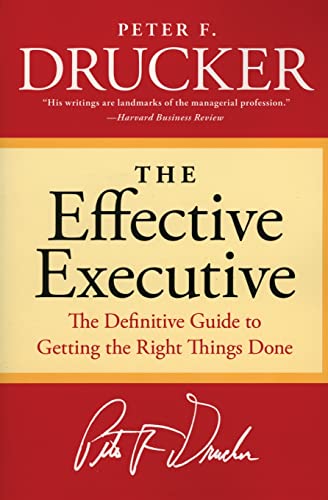
It draws on The Effective Executive and Flow.
It’s picked up by Atomic Habits, The Personal MBA and The Organized Mind and 11 others.
Scroll down to read the exact passages where other authors reference this book and what they say about it.
Getting Things Done is the dominant personal productivity system that virtually every subsequent productivity book either builds on or defines itself against. James Clear credits Allen's system for reducing decision fatigue, Chris Bailey calls it the book that first drew him into productivity, and Daniel Levitin validates its approach as aligned with how the brain externalizes cognitive load.
However, the book also attracts notable pushback: Oliver Burkeman directly critiques GTD as misguided in Four Thousand Weeks, Cal Newport argues in A World Without Email that even perfectly executed GTD cannot save someone trapped in a dysfunctional organisation, and Michael Hyatt positions his own system as a simpler strategic alternative. Readers generally find GTD transformative for anyone drowning in commitments, though several authors suggest it works better as a tactical layer beneath a broader life philosophy.
The books Allen references and why each one mattered to the argument.
Allen references Drucker's management philosophy for knowledge workers.
Allen references flow on the mind like water state.
The exact passages where other authors bring up “Getting Things Done” and what they take from it.
Clear references Allen's Getting Things Done system as an example of how reducing decision fatigue through trusted systems frees mental energy for habit formation.
Kaufman recommends Allen's productivity system as essential for manageing the complexity of running a business without letting tasks fall through the cracks.
References Allen's Getting Things Done methodology as a practical system aligned with how the brain externalises cognitive load
McKeown references Allen's GTD while arguing essentialism goes further.
Keller references Allen's GTD on single-task prioritisation.
Burkeman directly critiques Allen's GTD as misguided.
How ideas flow through the citation network. Ancestors are books this title builds on; descendants are books that build on it.
Directly cites
Directly cited by
Books from completely different categories that share citation overlap with this one. These are the reads you would not find by browsing a single shelf.

Thinking, Fast and Slow
Daniel Kahneman

Flow
Mihaly Csikszentmihalyi

The Rise of Superman
Steven Kotler

Sapiens
Yuval Noah Harari
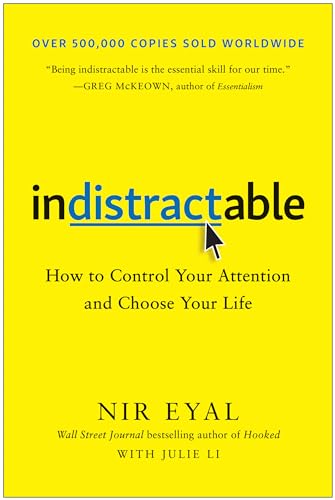
Indistractable
Nir Eyal
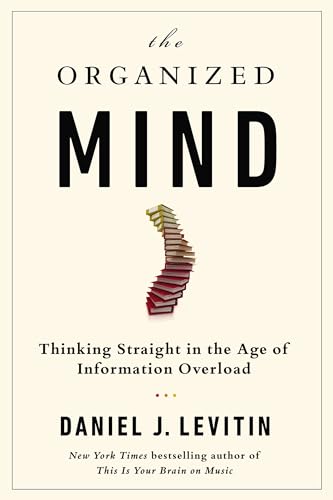
The Organized Mind
Daniel Levitin
Books with the highest citation overlap within the same categories.

Deep Work
Cal Newport
7 shared citations
The Power of Habit
Charles Duhigg
5 shared citationsThinking, Fast and Slow
Daniel Kahneman
4 shared citations
The 7 Habits of Highly Effective People
Stephen Covey
3 shared citations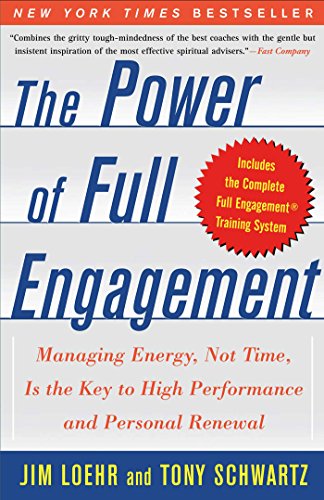
The Power of Full Engagement
Jim Loehr
3 shared citationsFlow
Mihaly Csikszentmihalyi
3 shared citationsThis book and its direct connections. Hover a node to see its title, click to visit.
Hover a node to highlight its connections. Click to open the book page. Node size reflects total citation links.