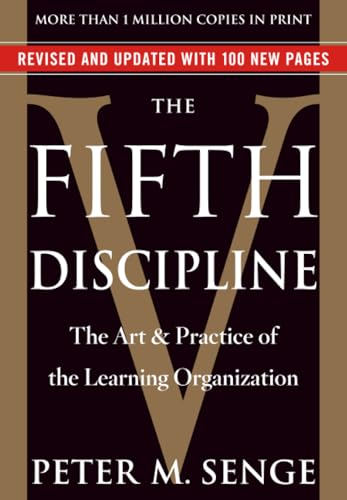
The Fifth Discipline

The Fifth Discipline

by Peter Senge

star4.1

Senge argues organisations fail to learn because they're trapped in linear thinking and blame cycles. Systems thinking - seeing feedback loops and unintended consequences - unlocks the rest.

Published:
(revised 2006)
Pages:
445
Buy on Amazon

In the Conversation

In this collection, The Fifth Discipline references 2 other books and is cited by 5 other books.

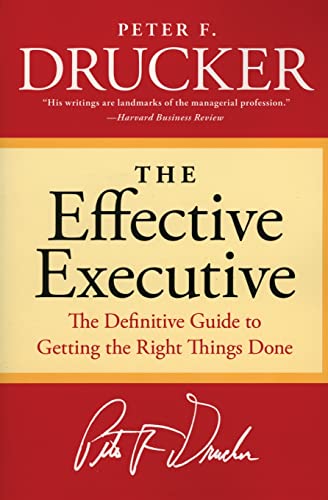
It draws on The Effective Executive and Good to Great.

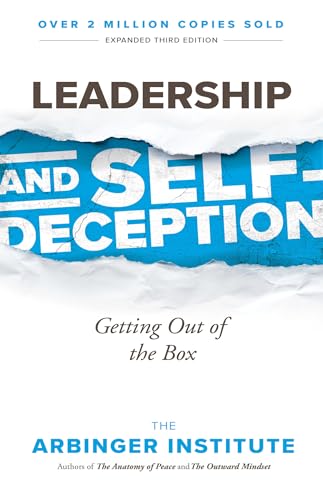
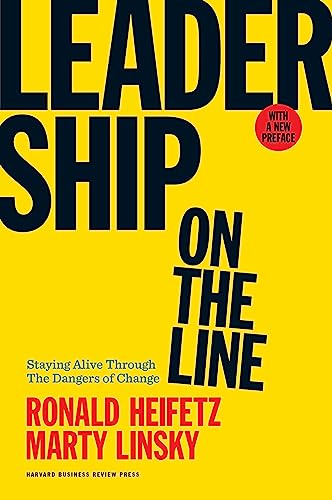
It’s picked up by Leadership and Self-Deception: Getting Out of the Box, Leadership on the Line: Staying Alive Through the Dangers of Change and Team of Teams: New Rules of Engagement for a Complex World and 2 others.

Scroll down to read the exact passages where other authors reference this book and what they say about it.

What People Say

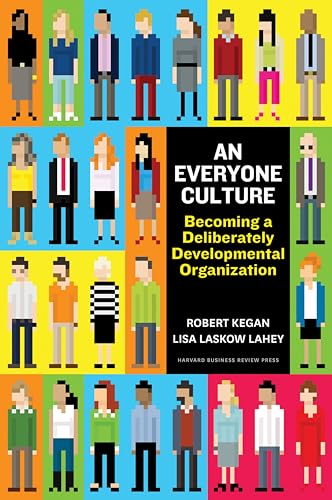
The Fifth Discipline is regarded as the foundational text on organisational learning, and its systems thinking framework continues to shape leadership literature decades after publication. General Stanley McChrystal directly applies Senge's approach in Team of Teams, while Robert Kegan and Lisa Laskow Lahey extend the learning organisation concept by making individual adult development its core mechanism.

The Arbinger Institute and Ronald Heifetz each connect their own leadership frameworks to Senge's insights about mental models and observing systemic patterns. Readers value the book for shifting their perspective from blame and linear thinking to feedback loops and unintended consequences, though some find its later chapters abstract and wish for more concrete implementation guidance.
What This Book Draws On

2

The books Senge references and why each one mattered to the argument.

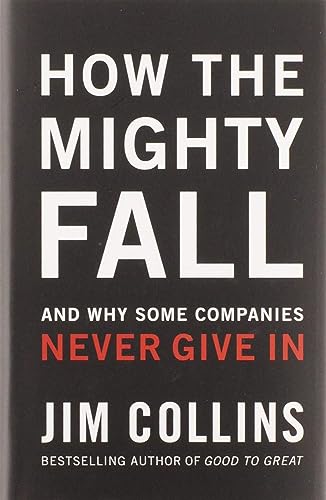
Fifth Discipline revised edition (2006) references Collins on sustaining organisational greatness

Good to Great

References

Good to Great

by Jim Collins

Buy

What Other Authors Say About It

5

The exact passages where other authors bring up “The Fifth Discipline” and what they take from it.

Arbinger's concept of systemic self-deception within organisations connects to Senge's mental models discipline in The Fifth Discipline, both showing how hidden assumptions limit organisational learning

Intellectual Lineage

How ideas flow through the citation network. Ancestors are books this title builds on; descendants are books that build on it.

Unexpected Connections

Books from completely different categories that share citation overlap with this one. These are the reads you would not find by browsing a single shelf.

If you liked this, try

Books with the highest citation overlap within the same categories.

Citation Network

This book and its direct connections. Hover a node to see its title, click to visit.

Books this book cites
Books that cite this book
Larger dot = more connections
Good to GreatThe Effective Executive

Hover a node to highlight its connections. Click to open the book page. Node size reflects total citation links.