Influence

Influence

by Robert Cialdini

star4.7

Cialdini identifies six universal principles of persuasion: reciprocity, commitment, social proof, authority, liking, and scarcity. Understanding these triggers explains why we say yes, and how others get us to comply.

Published:
(revised 2021)
Pages:
320
Buy on Amazon

In the Conversation

In this collection, Influence references 9 other books and is cited by 51 other books.

It draws on Thinking, Fast and Slow, Stumbling on Happiness and Pre-Suasion.

It’s picked up by Atomic Habits, Sapiens and Pre-Suasion and 48 others.

Scroll down to read the exact passages where other authors reference this book and what they say about it.

What People Say

Cialdini's six principles of persuasion - reciprocity, commitment, social proof, authority, liking, and scarcity - have become the standard vocabulary for understanding why people say yes. Charlie Munger considers it one of the most important books ever written on human psychology and recommends it as essential to his mental models framework, while Chip Heath references Cialdini's commitment and consistency principle extensively in Made to Stick.

The book's influence spans negotiation, marketing, UX design, and even political communication, with authors like Alain de Botton and Neil Postman applying its framework to cultural criticism. Readers consistently praise how immediately actionable the principles are, though some note the examples can feel dated in earlier editions - the 2021 expanded edition addresses this by adding a seventh principle and connecting to Kahneman's dual-process research.

What Influence Draws On

9

The books Cialdini references and why each one mattered to the argument.

Cialdini draws on Kahneman's dual-process framework to explain why compliance tactics work on automatic System 1 thinking. Thinking, Fast and Slow appears in his References and the System 1/System 2 distinction underpins his "click, whirr" model of fixed action patterns.

Thinking, Fast and Slow

References

Thinking, Fast and Slow

by Daniel Kahneman

Buy

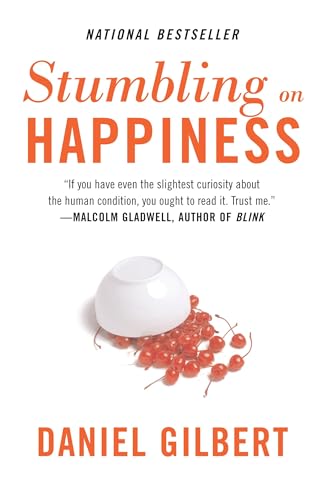
Daniel Gilbert's Stumbling on Happiness is listed in Cialdini's bibliography. Cialdini draws on Gilbert's research on affective forecasting to explain why people consistently misjudge how they will feel about future compliance decisions.

Stumbling on Happiness

References

Stumbling on Happiness

by Daniel Gilbert

Buy

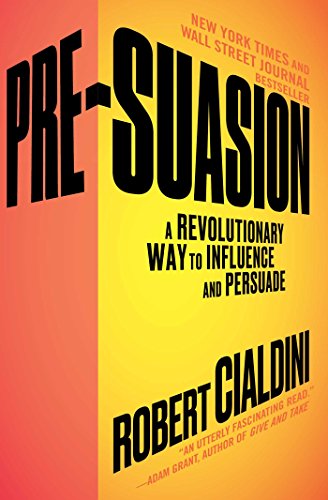
Cialdini lists his own follow-up Pre-Suasion in the bibliography. The two books function as companions β€” Influence explains the six weapons of compliance, while Pre-Suasion explains how the moment before a message shapes its reception.

Pre-Suasion

References

Pre-Suasion

by Robert Cialdini

Buy

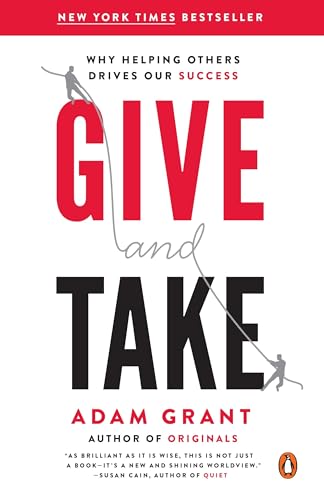
Adam Grant's Give and Take is listed in Cialdini's References. Grant's research on givers, takers, and matchers extends the reciprocity principle into a broader framework about how generosity drives long-term career success.

Give and Take

References

Give and Take

by Adam Grant

Buy

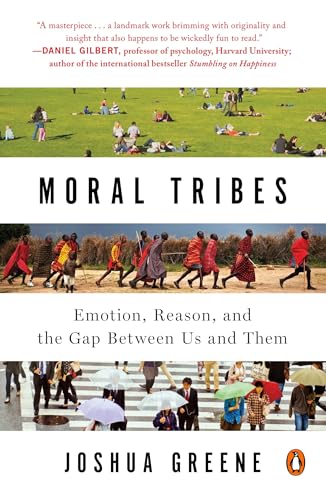
Joshua Greene's Moral Tribes is listed in the bibliography. Cialdini draws on Greene's dual-system moral psychology to explain why appeals to in-group identity are more persuasive than appeals to universal values.

Moral Tribes

References

Moral Tribes

by Joshua Greene

Buy

Cialdini discusses Dale Carnegie's How to Win Friends and Influence People throughout the Liking chapter. Carnegie's century-old observations about the power of names, compliments, and genuine interest are validated by modern social psychology research.

What Other Authors Say About It

51

The exact passages where other authors bring up β€œInfluence” and what they take from it.

Clear references Cialdini's persuasion research to explain how social norms shape our habits. We unconsciously copy the behaviours of the groups we belong to.

Atomic Habits

Cited in

Atomic Habits

by James Clear

Buy

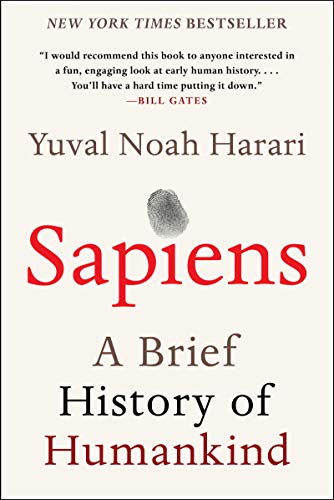
Harari references Cialdini's research on social influence to explain how shared myths and collective beliefs, not rational self-interest, hold human societies together.

Sapiens

Cited in

Sapiens

by Yuval Noah Harari

Buy

Pre-Suasion is Cialdini's direct sequel to Influence. Where Influence identified six principles of persuasion, Pre-Suasion reveals how to set the stage before the persuasion attempt even begins.

Pre-Suasion

Cited in

Pre-Suasion

by Robert Cialdini

Buy

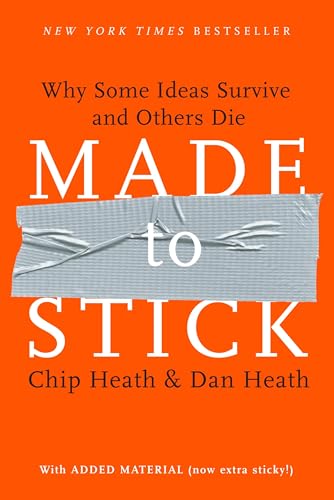
The Heath brothers reference Cialdini's persuasion research extensively. They use his commitment and consistency principle to explain why getting small initial agreements makes ideas stick.

Made to Stick

Cited in

Made to Stick

by Chip Heath

Buy

Munger considers Influence one of the most important books ever written on human psychology. He recommends it in his famous "mental models" framework as essential for understanding misjudgement.

Poor Charlie's Almanack

Cited in

Poor Charlie's Almanack

by Charlie Munger

Buy

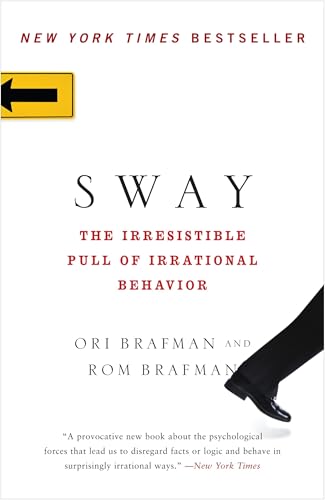
Cites Cialdini's commitment and consistency principle when explaining why people escalate losing investments

Sway

Cited in

Sway

by Ori Brafman

Buy

Intellectual Lineage

How ideas flow through the citation network. Ancestors are books this title builds on; descendants are books that build on it.

Unexpected Connections

Books from completely different categories that share citation overlap with this one. These are the reads you would not find by browsing a single shelf.

If you liked this, try

Books with the highest citation overlap within the same categories.

Citation Network

This book and its direct connections. Hover a node to see its title, click to visit.

Books this book cites
Books that cite this book
Larger dot = more connections
InfluenceThinking, Fast and Slow

Hover a node to highlight its connections. Click to open the book page. Node size reflects total citation links.