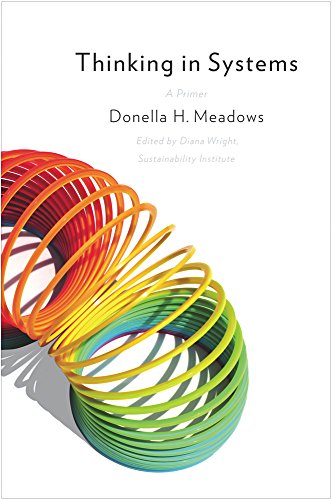
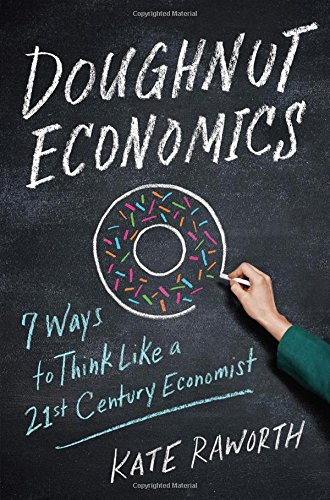
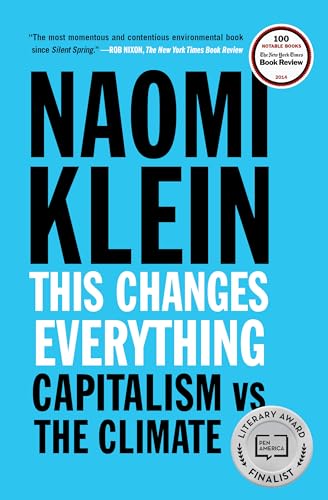
Thinking in Systems is treated as foundational by an unusually diverse range of authors, from habit designers to climate activists to military strategists. James Clear draws on Meadows' framework in Atomic Habits to argue that habits are interconnected systems where small changes compound, and Kate Raworth credits it with transforming her view of economics entirely, building Doughnut Economics directly on Meadows' feedback-loop approach. General Stanley McChrystal uses it in Team of Teams to explain why complex adaptive systems defeat reductionist management, and Virginia Eubanks applies it to show how automated welfare systems create reinforcing poverty traps.
David Wallace-Wells and Naomi Klein both lean on it to explain climate feedback loops. Readers praise its clarity and accessibility -- Meadows writes with unusual warmth for a systems theorist -- though some wish the book offered more concrete tools for applying systems thinking to everyday decisions. It is the book that teaches you to stop looking for single causes and start seeing the loops.