The Five Dysfunctions of a Team

The Five Dysfunctions of a Team

by Patrick Lencioni

star4.1

Lencioni uses a leadership fable to diagnose five interconnected failures that cripple teams: absence of trust, fear of conflict, lack of commitment, avoidance of accountability, and inattention to results.

Published:
Pages:
229
Buy on Amazon

In the Conversation

In this collection, The Five Dysfunctions of a Team references 1 other book and is cited by 7 other books.

It draws on Good to Great.

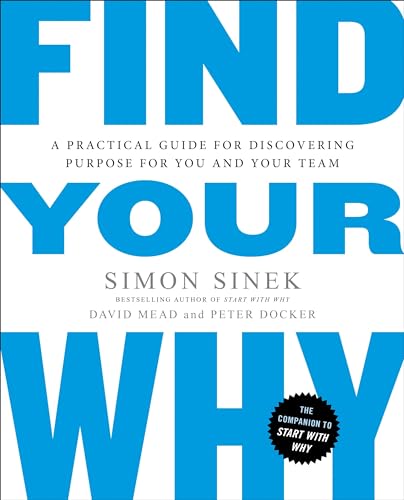
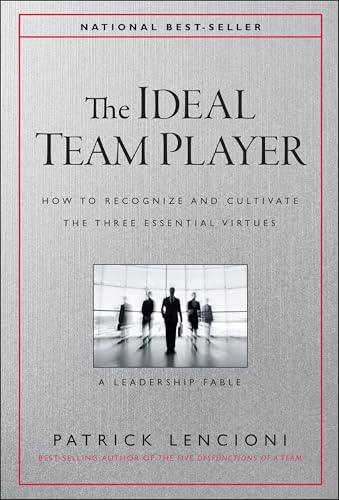
It’s picked up by Find Your Why, The Advantage and The Ideal Team Player and 4 others.

Scroll down to read the exact passages where other authors reference this book and what they say about it.

What People Say

The Five Dysfunctions of a Team is widely cited as the foundational text on team health, with authors across leadership and management drawing on Lencioni's trust-conflict-commitment-accountability-results model as a diagnostic framework. Simon Sinek builds on it in Find Your Why, arguing that trust is the prerequisite for the vulnerable storytelling teams need, while Camille Fournier's The Manager's Path treats Lencioni's insight that dysfunction starts with absence of trust as essential reading for new tech leaders.

General Stanley McChrystal extends the framework to inter-team scale in Team of Teams, and Jocko Willink draws parallels in The Dichotomy of Leadership. The fable format makes it an easy, fast read, though some find it oversimplified for complex organisational dynamics -- but its five-layer model has become a shared language across industries.

What This Book Draws On

1

The books Lencioni references and why each one mattered to the argument.

Lencioni references Collins on how dysfunction undermines strategy.

Good to Great

References

Good to Great

by Jim Collins

Buy

What Other Authors Say About It

7

The exact passages where other authors bring up “The Five Dysfunctions of a Team” and what they take from it.

Builds on Lencioni's Five Dysfunctions framework, noting that trust is the prerequisite for the vulnerable storytelling that surfaces a team's why

Find Your Why

Cited in

Find Your Why

by Simon Sinek

Buy

Synthesizes the trust-conflict-commitment-accountability-results model from Lencioni's own Five Dysfunctions as the foundation of Discipline 1, building a cohesive leadership team

The Advantage

Cited in

The Advantage

by Patrick Lencioni

Buy

Positioned by Lencioni as the individual-level companion to his own Five Dysfunctions of a Team, arguing that humble-hungry-smart people are the raw material that makes trust and productive conflict possible

The Ideal Team Player

Cited in

The Ideal Team Player

by Patrick Lencioni

Buy

McChrystal's shared consciousness model addresses the trust and communication breakdowns that Lencioni identifies as the root dysfunctions of teams, but at an inter-team scale

Team of Teams: New Rules of Engagement for a Complex World

Cited in

Team of Teams: New Rules of Engagement for a Complex World

by General Stanley McChrystal, Tantum Collins, David Silverman, and Chris Fussell

Buy

Intellectual Lineage

How ideas flow through the citation network. Ancestors are books this title builds on; descendants are books that build on it.

Unexpected Connections

Books from completely different categories that share citation overlap with this one. These are the reads you would not find by browsing a single shelf.

If you liked this, try

Books with the highest citation overlap within the same categories.

Citation Network

This book and its direct connections. Hover a node to see its title, click to visit.

Books this book cites
Books that cite this book
Larger dot = more connections
Good to Great

Hover a node to highlight its connections. Click to open the book page. Node size reflects total citation links.