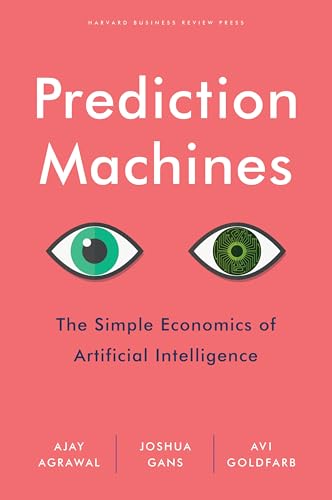
Prediction Machines: The Simple Economics of Artificial Intelligence

Prediction Machines: The Simple Economics of Artificial Intelligence

by Ajay Agrawal, Joshua Gans, and Avi Goldfarb

star3.9

Three economists from the University of Toronto's Rotman School of Management reframe AI as a technology that dramatically reduces the cost of prediction, then apply standard microeconomic theory to trace its cascading effects on decision-making, business strategy, and industry structure. By decomposing tasks into prediction, judgement, data, and action components, they provide a practical framework for managers to identify where AI will create value and where human judgement remains essential.

Published:
Pages:
272
Buy on Amazon

In the Conversation

In this collection, Prediction Machines: The Simple Economics of Artificial Intelligence references 4 other books.

It draws on The Second Machine Age, The Innovator's Dilemma and Thinking, Fast and Slow.

Scroll down to read the exact passages where other authors reference this book and what they say about it.

What This Book Draws On

4

The books Goldfarb references and why each one mattered to the argument.

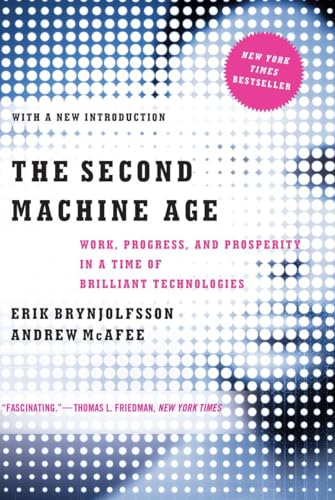
Agrawal, Gans, and Goldfarb build directly on Brynjolfsson and McAfee's The Second Machine Age analysis of digital technologies as general-purpose technologies, reframing AI specifically as a prediction technology rather than a general automation technology

The Second Machine Age

References

The Second Machine Age

by Erik Brynjolfsson

Buy

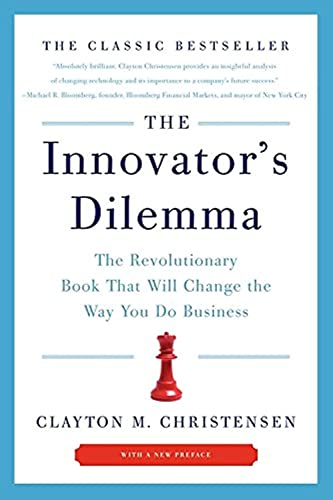
Apply Christensen's The Innovator's Dilemma framework to AI adoption, arguing that cheap prediction will disrupt established industries by enabling new entrants to unbundle prediction from judgement in ways incumbents resist

The Innovator's Dilemma

References

The Innovator's Dilemma

by Clayton Christensen

Buy

Draw on Kahneman's Thinking, Fast and Slow distinction between System 1 and System 2 to clarify the division of labor between AI prediction (pattern matching) and human judgement (weighing tradeoffs under uncertainty)

Thinking, Fast and Slow

References

Thinking, Fast and Slow

by Daniel Kahneman

Buy

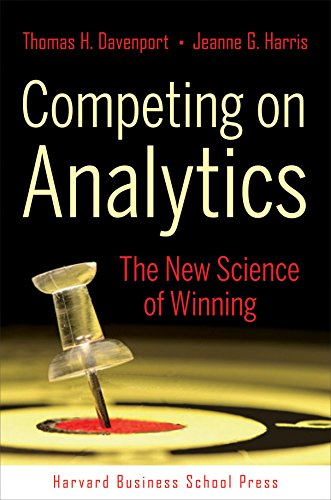
Extend Davenport and Harris's Competing on Analytics thesis to the AI era, arguing that the competitive advantage has shifted from having better analytics to having cheaper and more pervasive prediction embedded in every business process

Competing on Analytics: The New Science of Winning

References

Competing on Analytics: The New Science of Winning

by Thomas H. Davenport and Jeanne G. Harris

Buy

What Other Authors Say About It

No books citing this title yet.

Intellectual Lineage

How ideas flow through the citation network. Ancestors are books this title builds on; descendants are books that build on it.

Unexpected Connections

Books from completely different categories that share citation overlap with this one. These are the reads you would not find by browsing a single shelf.

If you liked this, try

Books with the highest citation overlap within the same categories.

Citation Network

This book and its direct connections. Hover a node to see its title, click to visit.

Books this book cites
Books that cite this book
Larger dot = more connections
Thinking, Fast and Slow

Hover a node to highlight its connections. Click to open the book page. Node size reflects total citation links.