Psychology

179 books in this category

Start here

Thinking, Fast and Slow

Thinking, Fast and Slow

by Daniel Kahneman

Cited by 101 other books and connected to 77 more in Psychology. If you read one book in this category first, the citation network says make it this one.

Foundational Books in Psychology

Ranked by how often they are cited by other books in the collection. These are the titles later authors keep returning to — read one and you will recognise its fingerprints across the rest of the category.

  1. Thinking, Fast and Slow1

    Thinking, Fast and Slow

    by Daniel Kahneman

    Cited by 101
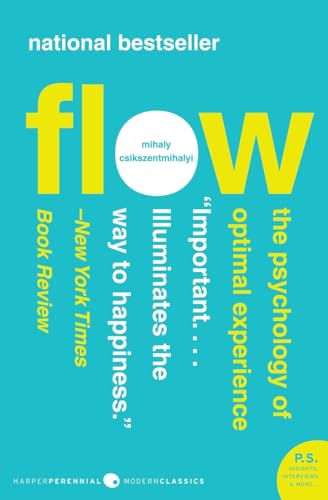
  2. Flow2

    Flow

    by Mihaly Csikszentmihalyi

    Cited by 68
  3. Influence3

    Influence

    by Robert Cialdini

    Cited by 51
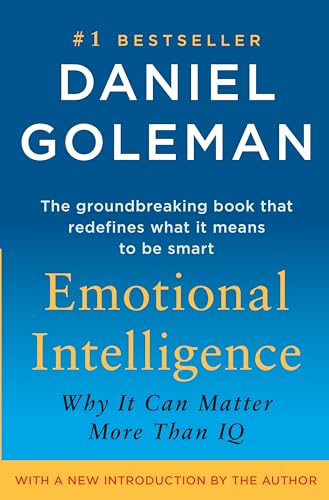
  4. Emotional Intelligence4

    Emotional Intelligence

    by Daniel Goleman

    Cited by 47
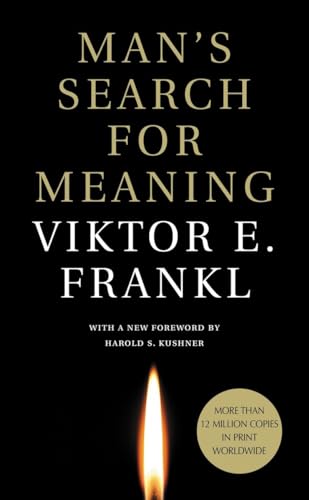
  5. Man's Search for Meaning5

    Man's Search for Meaning

    by Viktor Frankl

    Cited by 43
  6. Mindset6

    Mindset

    by Carol Dweck

    Cited by 40

More books in Psychology

Nudge by Richard Thaler

Nudge

by Richard Thaler

star3.9

Thaler and Sunstein argue that small changes in how choices are presented, nudges, can dramatically improve decisions without restricting freedom. Choice architecture is a powerful tool for public policy and beyond.

psychologybusiness
The Black Swan by Nassim Nicholas Taleb

The Black Swan

by Nassim Nicholas Taleb

star4.3

Taleb argues that rare, unpredictable events drive history far more than gradual trends. Our models systematically underestimate extreme outcomes, with devastating consequences.

philosophypsychology
The Power of Habit by Charles Duhigg

The Power of Habit

by Charles Duhigg

star4.5

Duhigg reveals the neurological loop behind every habit: cue, routine, reward. Understanding this cycle gives you the power to reshape behaviours at individual and organisational level.

psychologyself-help
Drive by Daniel Pink

Drive

by Daniel Pink

star4

Pink argues that autonomy, mastery, and purpose motivate people far more than money. The carrot-and-stick model is outdated and actively undermines creative performance.

psychologybusiness
Predictably Irrational by Dan Ariely

Predictably Irrational

by Dan Ariely

star4.3

Ariely demonstrates through experiments that human irrationality is not random but systematic and predictable. Understanding these patterns reveals why we make the same costly mistakes repeatedly.

psychology
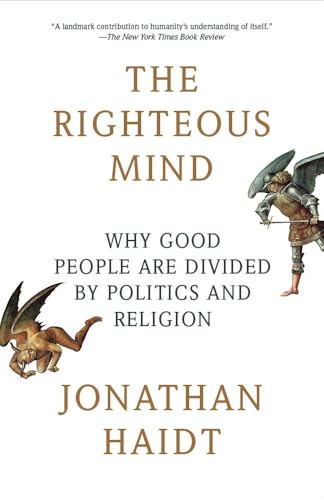
The Righteous Mind by Jonathan Haidt

The Righteous Mind

by Jonathan Haidt

star4.2

Haidt argues that moral judgements are driven by intuition, not reason. We are fundamentally groupish, and understanding our innate moral foundations explains why good people disagree politically.

psychologyphilosophy
Outliers by Malcolm Gladwell

Outliers

by Malcolm Gladwell

star4.2

Gladwell argues that success isn't simply individual talent - it's the product of timing, culture, and accumulated advantage. The 10,000-hour rule, birth dates, and cultural legacies shape outcomes more than raw ability.

psychology
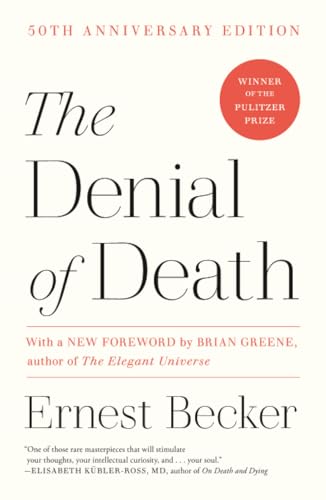
The Denial of Death by Ernest Becker

The Denial of Death

by Ernest Becker

star4.2

Becker argues that the terror of death drives much of human behaviour, from heroism to war. Culture, religion, and self-esteem are elaborate defences against the awareness of our mortality.

philosophypsychology
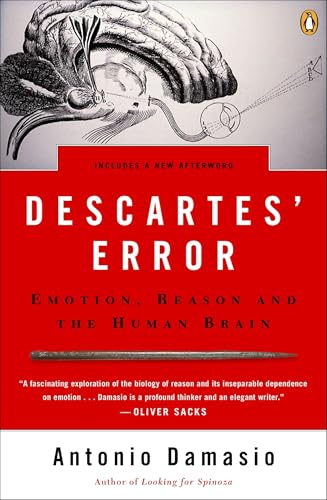
Descartes' Error by Antonio Damasio

Descartes' Error

by Antonio Damasio

star4.1

Damasio overturns the idea that reason and emotion are separate. His neuroscience research shows that feelings are essential to rational decision-making, not obstacles to it.

psychologyscience
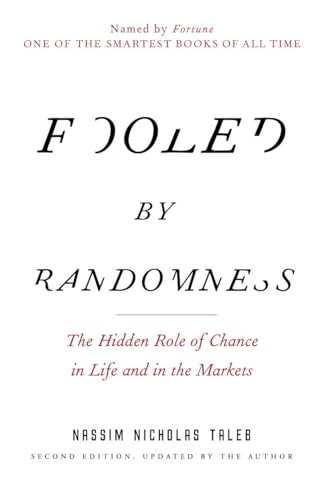
Fooled by Randomness by Nassim Nicholas Taleb

Fooled by Randomness

by Nassim Nicholas Taleb

star4.1

Taleb exposes how we underestimate luck in life and markets, mistaking random outcomes for skill. Survivorship bias and narrative fallacy lead us to build false stories around chance events.

psychologybusiness
The Body Keeps the Score by Bessel van der Kolk

The Body Keeps the Score

by Bessel van der Kolk

star4.4

Van der Kolk reveals how trauma reshapes the brain and body, storing itself in physical sensations. Recovery requires approaches that engage the body, not just talk therapy.

psychologyscience
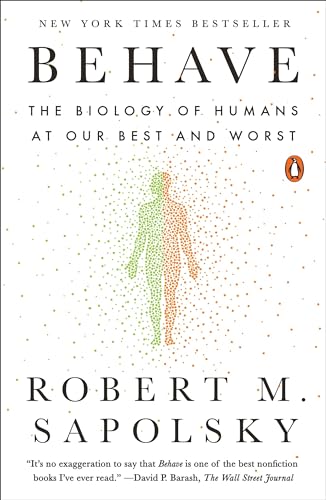
Behave by Robert Sapolsky

Behave

by Robert Sapolsky

star4.4

Sapolsky traces every human behaviour, from aggression to empathy, through biology, from the millisecond before an act back to evolutionary pressures millions of years ago.

sciencepsychology
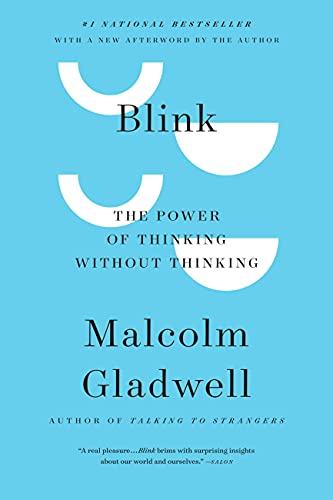
Blink by Malcolm Gladwell

Blink

by Malcolm Gladwell

star4

Gladwell explores the power and peril of snap judgements - the instant conclusions our unconscious mind reaches. Thin-slicing can be remarkably accurate, but it's also vulnerable to bias and information overload.

psychology
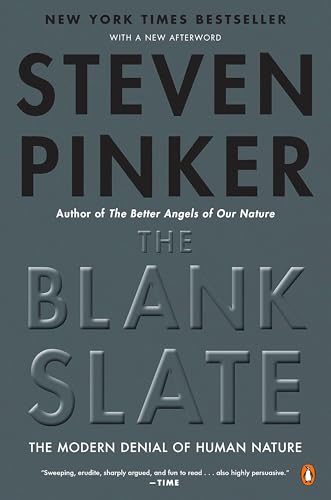
The Blank Slate by Steven Pinker

The Blank Slate

by Steven Pinker

star4.2

Pinker dismantles the blank slate doctrine - the idea that culture alone shapes human nature. Acknowledging innate traits doesn't undermine equality; it grounds social policy in reality.

psychologyscience
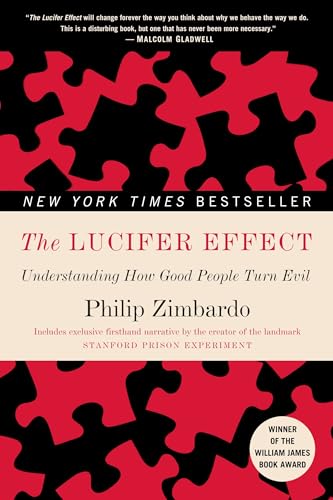
The Lucifer Effect by Philip Zimbardo

The Lucifer Effect

by Philip Zimbardo

star4.1

Zimbardo uses his Stanford prison experiment to argue that good people turn evil through situational forces, not character flaws. Systems and authority corrupt more reliably than personality.

psychology
The Moral Animal by Robert Wright

The Moral Animal

by Robert Wright

star4.1

Wright uses evolutionary psychology to explain human nature, from jealousy to self-deception. Our moral intuitions are strategies shaped by natural selection to serve genetic interests, not gifts.

sciencepsychology
Stumbling on Happiness by Daniel Gilbert

Stumbling on Happiness

by Daniel Gilbert

star3.9

Gilbert reveals that humans are remarkably poor at predicting what will make them happy. Our psychological immune system distorts future expectations in systematic, measurable ways.

psychology
Working with Emotional Intelligence by Daniel Goleman

Working with Emotional Intelligence

by Daniel Goleman

star3.9

Goleman makes the case that emotional intelligence matters more than IQ for career success. Technical ability gets you hired, but self-awareness, empathy, and social skill determine who leads.

businesspsychology
Grit by Angela Duckworth

Grit

by Angela Duckworth

star4.3

Duckworth's research shows that passion and perseverance predict success far better than talent alone. Grit can be cultivated through interest, practice, purpose, and hope.

psychologyself-help
The Tipping Point by Malcolm Gladwell

The Tipping Point

by Malcolm Gladwell

star4.1

Gladwell identifies the three forces that make ideas spread like epidemics: the right people, the right stickiness, and the right context. Small changes can trigger massive social shifts.

psychologybusiness
Quiet by Susan Cain

Quiet

by Susan Cain

star4.4

Cain argues that Western culture dangerously undervalues introverts. Quiet people drive creativity and careful thinking, yet workplaces and schools are designed to reward extroversion.

psychologyself-help
Made to Stick by Chip Heath

Made to Stick

by Chip Heath

star4.1

Heath and Heath identify six principles that make ideas stick: simplicity, unexpectedness, concreteness, credibility, emotions, and stories. Sticky messages succeed because of structure, not luck.

psychologybusiness
Sources of Power by Gary Klein

Sources of Power

by Gary Klein

star4.1

Klein studies how experts, firefighters, nurses, commanders, make fast decisions under pressure without formal analysis. Expert intuition works through pattern recognition and mental simulation.

psychologydecision-making
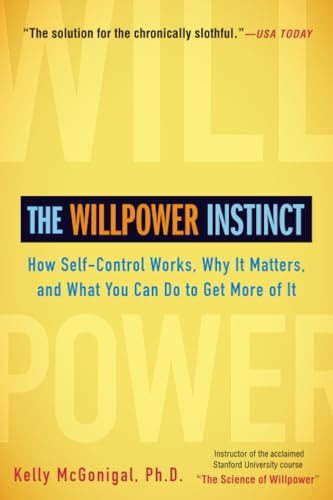
The Willpower Instinct by Kelly McGonigal

The Willpower Instinct

by Kelly McGonigal

star4.2

McGonigal reframes willpower as a trainable skill rooted in self-awareness, not a fixed trait. Understanding the biology of impulse and stress gives practical leverage over cravings.

psychologyself-help
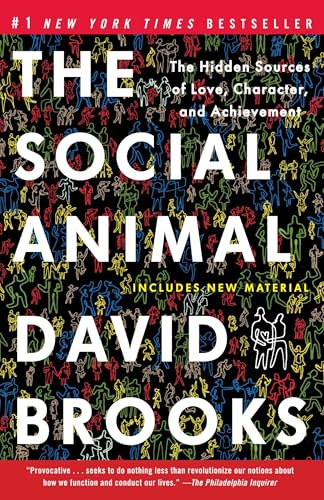
The Social Animal by David Brooks

The Social Animal

by David Brooks

star3.9

Brooks argues that character is built not through rational planning but through deep emotional and social bonds. The unconscious mind drives our most important decisions and relationships.

psychology
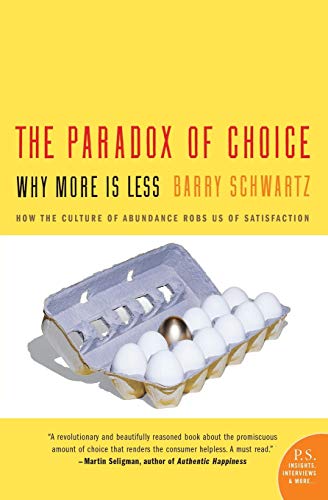
The Paradox of Choice by Barry Schwartz

The Paradox of Choice

by Barry Schwartz

star3.9

Schwartz argues that too many options don't liberate us but paralyse us. Reducing choices and embracing 'good enough' leads to greater satisfaction than endlessly optimising for the best.

psychology
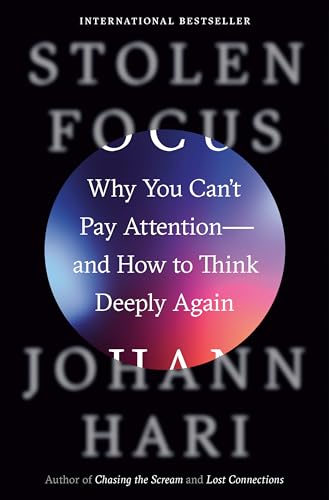
Stolen Focus by Johann Hari

Stolen Focus

by Johann Hari

star4.5

Hari investigates twelve systemic forces he argues are collectively dismantling human attention, from engagement-optimized social media and ultra-processed diets to sleep deprivation and chronic stress. He rejects the individual-willpower framing of the attention crisis, arguing that focus has been stolen by design and that recovering it requires collective political response.

psychology
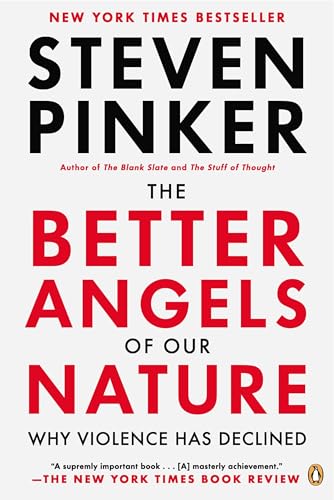
The Better Angels of Our Nature by Steven Pinker

The Better Angels of Our Nature

by Steven Pinker

star4.3

Pinker marshals centuries of data to argue violence has declined dramatically across every measurable dimension. Reason, commerce, empathy, and the state drove this underappreciated progress.

psychologyhistory
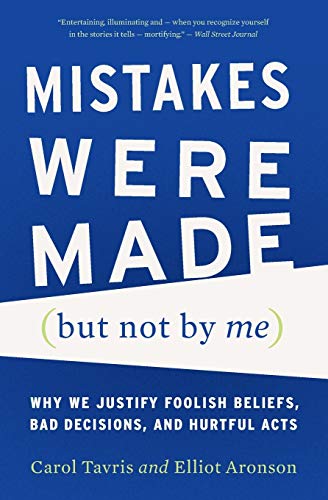
Mistakes Were Made (but Not by Me) by Carol Tavris

Mistakes Were Made (but Not by Me)

by Carol Tavris

star4.2

Tavris and Aronson explore how cognitive dissonance drives people to justify mistakes rather than learn from them. Self-justification is an unconscious engine that distorts memory, fuels feuds, and corrupts institutions.

psychology
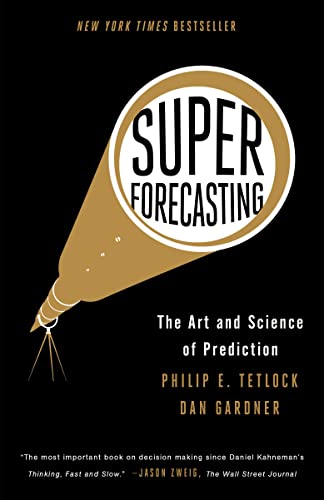
Superforecasting by Philip Tetlock

Superforecasting

by Philip Tetlock

star4.1

Tetlock shows forecasting accuracy depends less on intelligence than on cognitive style. The best forecasters are humble, numerate, and constantly update beliefs, foxes outperform hedgehog experts.

psychologyscience
Switch by Chip Heath

Switch

by Chip Heath

star4

Heath and Heath argue that change fails when the rational mind and emotional mind conflict. Direct the rider, motivate the elephant, and shape the path to make switching easy.

psychologybusiness
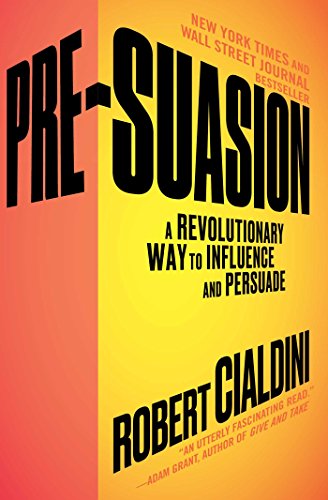
Pre-Suasion by Robert Cialdini

Pre-Suasion

by Robert Cialdini

star4

Cialdini reveals that persuasion starts before the message, by strategically directing attention beforehand, communicators make audiences receptive before they even hear the actual pitch.

psychologybusiness
The Rise of Superman by Steven Kotler

The Rise of Superman

by Steven Kotler

star4

Kotler examines how extreme athletes achieve peak performance through flow, total absorption where action and awareness merge. Flow has a systematic neuroscience, not just mystique.

psychologyperformance
Talent Is Overrated by Geoff Colvin

Talent Is Overrated

by Geoff Colvin

star4

Colvin argues world-class performers are shaped by years of deliberate practice with focused feedback, not innate gifts. What separates the best is how they practise, not some inborn advantage.

psychologybusiness
The Wisdom of Crowds by James Surowiecki

The Wisdom of Crowds

by James Surowiecki

star3.9

Surowiecki shows that diverse, independent groups often outpredict any single expert. Crowd wisdom works with diversity, independence, and good aggregation, and breaks down without them.

psychologybusiness
Never Split the Difference by Chris Voss

Never Split the Difference

by Chris Voss

star4.7

Voss, a former FBI hostage negotiator, argues that negotiation is fundamentally about emotional intelligence, not logic. Tactical empathy, calibrated questions, and labeling emotions are more powerful than rational arguments.

businesspsychology
The Gifts of Imperfection by Brene Brown

The Gifts of Imperfection

by Brene Brown

star4.7

Brown's first breakthrough book lays out ten "guideposts" for wholehearted living, grounded in her research on shame, worthiness, and the courage to be imperfect.

self-helppsychology
How to Change Your Mind by Michael Pollan

How to Change Your Mind

by Michael Pollan

star4.6

Pollan chronicles the scientific rediscovery of psychedelics like psilocybin and LSD, weaving first-person trip reports with accounts of Johns Hopkins and NYU clinical trials in depression, addiction, and end-of-life distress. He argues that psychedelics loosen rigid cognitive patterns in the default-mode network, offering a materialist framework for why mystical experiences reliably produce lasting psychological benefits.

psychologyhistory
Self-Compassion: The Proven Power of Being Kind to Yourself by Kristin Neff

Self-Compassion: The Proven Power of Being Kind to Yourself

by Kristin Neff

star4.6

Neff introduces self-compassion as a scientifically measurable alternative to self-esteem, arguing that treating ourselves with the kindness we would offer a friend produces greater resilience than self-evaluation ever can. She integrates Buddhist psychology with empirical research to show how self-compassion reduces shame, anxiety, and depression while fueling motivation and relational health.

psychologyself-help
Daring Greatly by Brene Brown

Daring Greatly

by Brene Brown

star4.6

Brown draws on twelve years of research to argue that vulnerability is the birthplace of courage, creativity, and connection. The book that sparked her shift from academic researcher to mainstream leadership voice.

self-helppsychology
Rising Strong by Brene Brown

Rising Strong

by Brene Brown

star4.6

Brown argues that what separates those who recover from failure from those who don't is the willingness to get curious about the stories they tell themselves. The process she calls "the reckoning, the rumble, and the revolution".

self-helppsychology
Braving the Wilderness by Brene Brown

Braving the Wilderness

by Brene Brown

star4.6

Brown redefines true belonging as the courage to stand alone when necessary. Fitting in is not belonging, and real belonging requires us to belong to ourselves first.

self-helppsychology
The Upside of Stress: Why Stress Is Good for You by Kelly McGonigal

The Upside of Stress: Why Stress Is Good for You

by Kelly McGonigal

star4.6

Stanford psychologist Kelly McGonigal argues that the harmfulness of stress is largely a function of how you think about it. Reframing stress as a resource rather than a threat changes its biological impact.

psychologyself-help
Factfulness by Hans Rosling

Factfulness

by Hans Rosling

star4.5

Rosling uses global health data to prove our instincts about the world are systematically wrong. Poverty, violence, and disease have declined far more than most people realise.

sciencepsychology
Healing Back Pain: The Mind-Body Connection by John Sarno

Healing Back Pain: The Mind-Body Connection

by John Sarno

star4.5

Sarno argues that most chronic back pain is not caused by structural abnormalities but by Tension Myoneural Syndrome, a psychosomatic oxygen-deprivation mechanism driven by repressed emotions. He claims that recognizing the emotional origin of the pain is itself the cure.

healthpsychology
Visual Thinking: The Hidden Gifts of People Who Think in Pictures, Patterns, and Abstractions by Temple Grandin

Visual Thinking: The Hidden Gifts of People Who Think in Pictures, Patterns, and Abstractions

by Temple Grandin

star4.4

Grandin, whose autism makes her think in pictures, argues that visual thinkers are systematically undervalued by educational systems designed for verbal minds. The result is a world that wastes an enormous amount of talent.

psychologyscience
Social: Why Our Brains Are Wired to Connect by Matthew Lieberman

Social: Why Our Brains Are Wired to Connect

by Matthew Lieberman

star4.4

UCLA neuroscientist Matthew Lieberman argues that our need to belong is as fundamental as our need for food or shelter. Social pain shows up in the same brain regions as physical pain — the social brain is our default brain.

psychologyscience
Better Than Before: What I Learned About Making and Breaking Habits by Gretchen Rubin

Better Than Before: What I Learned About Making and Breaking Habits

by Gretchen Rubin

star4.4

Rubin identifies four "Tendencies" — Upholders, Questioners, Obligers, and Rebels — that determine how people respond to expectations, and argues that habit change must be tailored to your tendency. A practical complement to Duhigg and Clear.

self-helppsychology
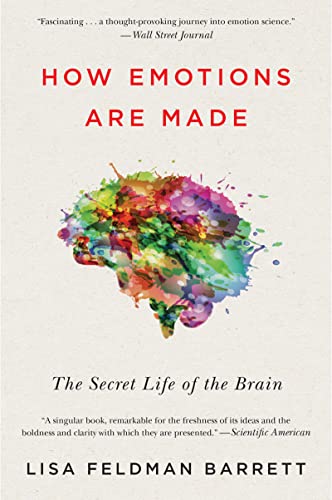
How Emotions Are Made: The Secret Life of the Brain by Lisa Feldman Barrett

How Emotions Are Made: The Secret Life of the Brain

by Lisa Feldman Barrett

star4.4

Barrett overturns the classical view of emotions as universal hardwired responses. Her constructionist theory argues that emotions are predictions the brain makes from past experience, not innate reactions to the world.

sciencepsychology
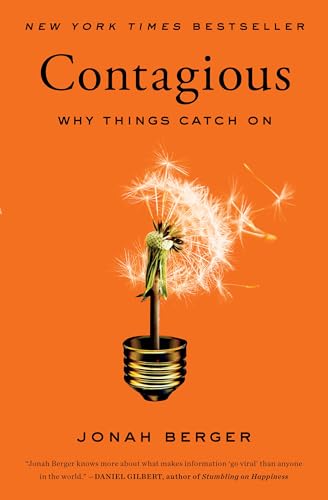
Contagious by Jonah Berger

Contagious

by Jonah Berger

star4.3

Berger identifies six principles, social currency, triggers, emotion, public visibility, practical value, stories, that make ideas spread. Virality is engineered, not random.

businesspsychology
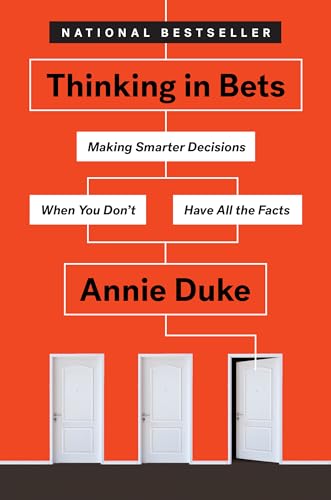
Thinking in Bets by Annie Duke

Thinking in Bets

by Annie Duke

star4.2

Duke argues that life is more like poker than chess. Embracing uncertainty and separating decision quality from outcome quality leads to dramatically better judgement.

psychologybusiness
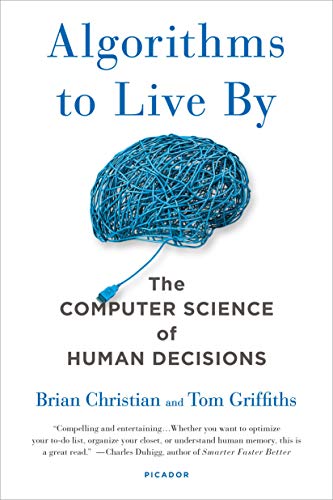
Algorithms to Live By by Brian Christian

Algorithms to Live By

by Brian Christian

star4.2

Christian and Griffiths show how computer science algorithms solve everyday human problems, from when to stop searching to how to sort your priorities. Practical wisdom from maths.

technologypsychology
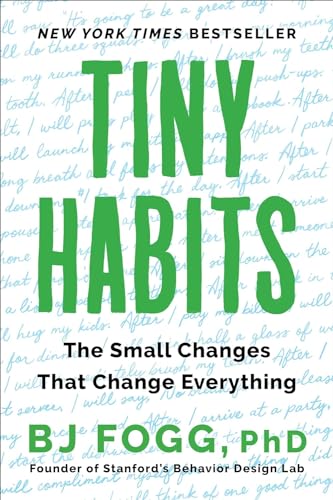
Tiny Habits by BJ Fogg

Tiny Habits

by BJ Fogg

star4.2

Fogg argues that lasting change comes not from motivation but from making behaviours tiny and anchoring them to existing routines. Start absurdly small and let momentum build naturally.

self-helppsychology
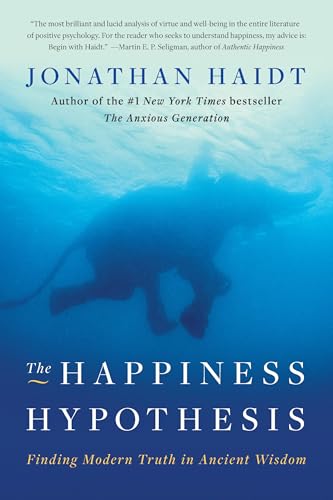
The Happiness Hypothesis by Jonathan Haidt

The Happiness Hypothesis

by Jonathan Haidt

star4.2

Haidt argues that ancient wisdom and modern psychology converge on the same truths about human flourishing. Happiness comes from getting the right relationship between yourself, others, and your work.

psychologyphilosophy
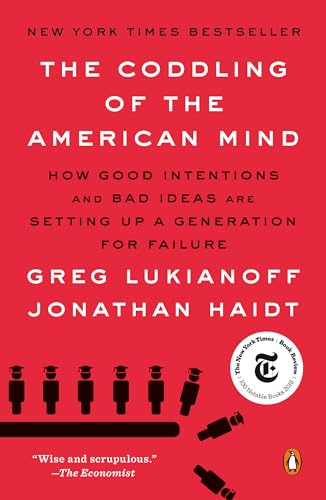
The Coddling of the American Mind by Jonathan Haidt

The Coddling of the American Mind

by Jonathan Haidt

star4.2

Haidt argues overprotective parenting is producing a generation unable to handle adversity. Three 'great untruths' - fragility, emotional reasoning, us-vs-them - are weakening young minds.

psychology
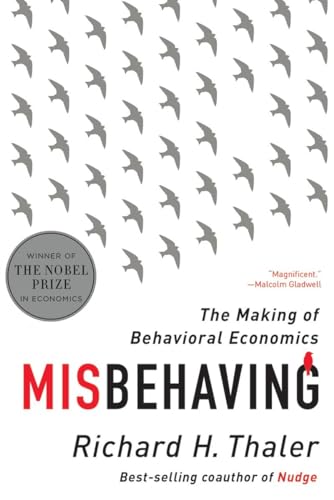
Misbehaving by Richard Thaler

Misbehaving

by Richard Thaler

star4.2

Thaler recounts building behavioural economics by cataloging how real humans deviate from rational-actor theory. Mental accounting and the endowment effect reshaped policy and finance.

businesspsychology
Peak by Anders Ericsson

Peak

by Anders Ericsson

star4.2

Ericsson replaces the myth of innate talent with the science of deliberate practice, structured, effortful training with expert feedback. Greatness is built, not born.

psychologyscience
Think Again by Adam Grant

Think Again

by Adam Grant

star4.2

Grant argues the ability to rethink and unlearn beats raw intelligence in a changing world. The best thinkers treat their own opinions with a scientist's curiosity, not a preacher's conviction.

psychologybusiness
The Storytelling Animal: How Stories Make Us Human by Jonathan Gottschall

The Storytelling Animal: How Stories Make Us Human

by Jonathan Gottschall

star4.2

Gottschall draws on evolutionary psychology, neuroscience, and literature to argue that humans are fundamentally a storytelling species. Stories are not entertainment — they are how we make sense of ourselves and each other.

psychologyphilosophy
Indistractable by Nir Eyal

Indistractable

by Nir Eyal

star4.1

Eyal argues distraction is not a technology problem but an internal trigger rooted in discomfort. Becoming indistractable requires mastering those triggers, scheduling traction, and building pacts.

productivitypsychology
The Drunkard's Walk by Leonard Mlodinow

The Drunkard's Walk

by Leonard Mlodinow

star4.1

Mlodinow shows how randomness governs far more of life than we admit, from careers to markets. Our pattern-seeking brains impose order on chaos, crediting skill where probability is the true driver.

sciencepsychology
Give and Take by Adam Grant

Give and Take

by Adam Grant

star4.1

Grant shows givers often end up at both the bottom and top of success metrics. The difference is strategic generosity: helping freely but with boundaries that prevent burnout.

businesspsychology
Incognito by David Eagleman

Incognito

by David Eagleman

star4.1

Eagleman reveals the conscious mind is a tiny fraction of brain activity - most of what we think and decide happens beneath awareness. The 'I' is more stowaway than captain.

psychologyscience
Decisive by Chip Heath

Decisive

by Chip Heath

star4.1

The Heaths expose four villains of decision-making, narrow framing, confirmation bias, short-term emotion, and overconfidence, then offer a WRAP process to counter each.

psychologybusiness
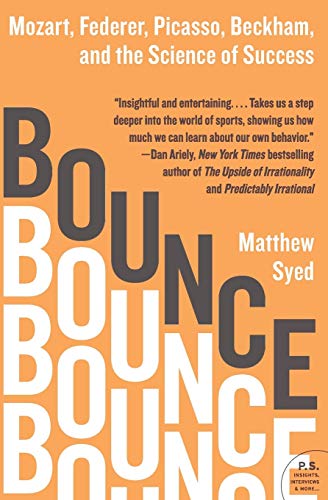
Bounce by Matthew Syed

Bounce

by Matthew Syed

star4.1

Syed challenges the talent myth, showing how environment, opportunity, and purposeful practice explain world-class performance. What looks like natural gift is accumulated training.

psychologyscience
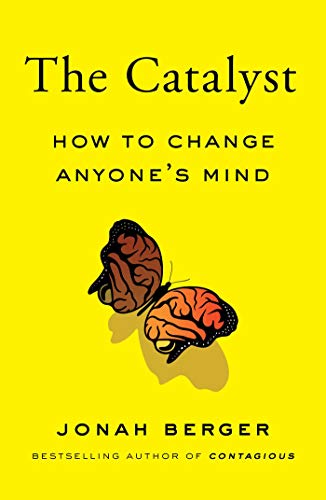
The Catalyst by Jonah Berger

The Catalyst

by Jonah Berger

star4.1

Berger flips persuasion: instead of pushing harder, remove the barriers preventing change. Five friction points, reactance, endowment, distance, uncertainty, and corroboration, hold change back.

psychologybusiness
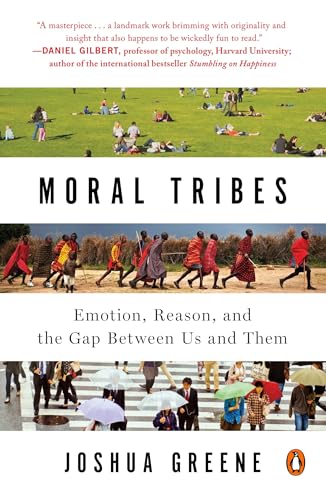
Moral Tribes by Joshua Greene

Moral Tribes

by Joshua Greene

star4.1

Greene proposes our moral brains run on two systems: automatic tribal instincts and manual utilitarian reasoning. Cross-group conflict requires shifting from fast feelings to slow thinking.

philosophypsychology
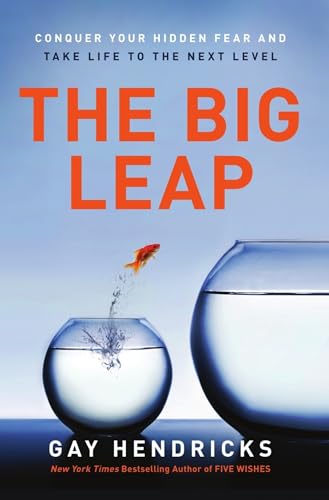
The Big Leap by Gay Hendricks

The Big Leap

by Gay Hendricks

star4.1

Hendricks identifies the "Upper Limit Problem" that keeps people from reaching their full potential. He maps four zones of functioning and argues that lasting fulfilment comes only from operating in your "Zone of Genius".

self-helppsychology
Immunity to Change by Robert Kegan

Immunity to Change

by Robert Kegan

star4

Kegan and Lahey reveal that failures to change stem from hidden competing commitments, unconscious goals working against stated intentions. Surfacing these contradictions unlocks real growth.

psychologybusiness
Smarter Faster Better by Charles Duhigg

Smarter Faster Better

by Charles Duhigg

star4

Duhigg explores eight principles of productivity, from motivation to decision-making. The key insight: productivity is about smarter choices on manageing energy and attention, not working harder.

psychologybusiness
Irresistible by Adam Alter

Irresistible

by Adam Alter

star4

Alter examines how technology exploits the same hooks as gambling, variable rewards, social approval, escalating goals. Behavioural addiction is a designed feature, not a personal failing.

psychologytechnology
Creativity by Mihaly Csikszentmihalyi

Creativity

by Mihaly Csikszentmihalyi

star4

Csikszentmihalyi studies creative individuals across disciplines to uncover what conditions produce breakthroughs. Creativity emerges from the interplay of a person, a domain, and a field of gatekeepers.

psychologyscience
The Art of Thinking Clearly by Rolf Dobelli

The Art of Thinking Clearly

by Rolf Dobelli

star3.9

Dobelli catalogs cognitive errors, survivorship bias, sunk cost fallacy, and dozens more, that distort everyday reasoning. Awareness of these traps is a critical defense against poor decisions.

psychologydecision-making
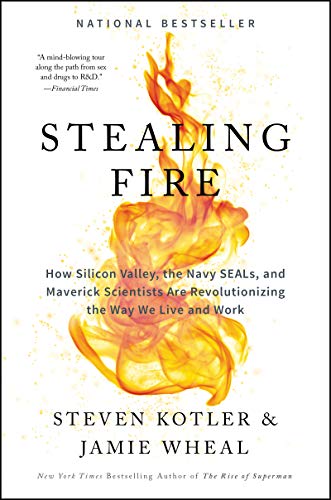
Stealing Fire by Steven Kotler

Stealing Fire

by Steven Kotler

star3.9

Kotler and Wheal explore how psychology, neuroscience, technology, and pharmacology are being used to engineer altered states for peak performance. Ecstasis is now designed, not left to chance.

psychologyscience
The Year of Magical Thinking by Joan Didion

The Year of Magical Thinking

by Joan Didion

star3.9

In this National Book Award-winning memoir, Joan Didion chronicles the year following the sudden death of her husband John Gregory Dunne while their daughter lay critically ill in a nearby hospital. With her signature precision and unflinching honesty, she examines the irrational thought patterns of grief and the way the mind resists accepting death. The book has become a classic text on mourning, widely cited in both literary and psychological discussions of bereavement.

memoirdeath
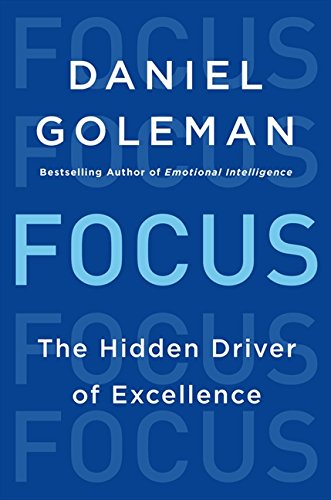
Focus by Daniel Goleman

Focus

by Daniel Goleman

star3.8

Goleman argues focus is an underrated, atrophying muscle in the modern age. Three kinds, inner, other, and outer, are essential for self-management, empathy, and strategic thinking.

psychologyproductivity
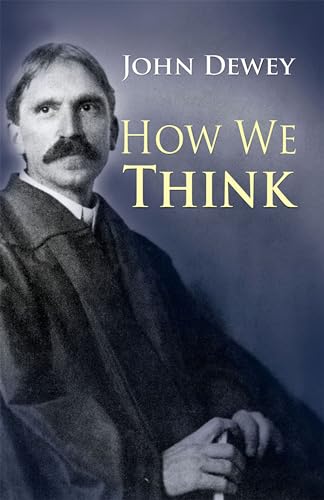
How We Think by John Dewey

How We Think

by John Dewey

star3.8

Dewey analyses the process of reflective thought and its relationship to education. He argues that genuine thinking begins with a state of doubt and proceeds through systematic inquiry to resolution.

philosophypsychology
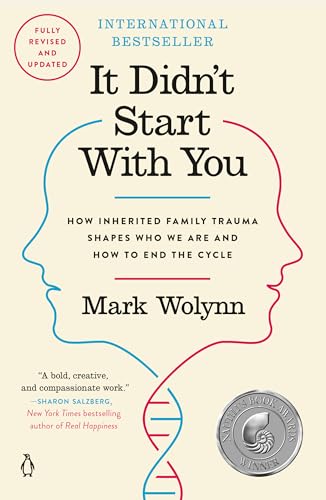
It Didn't Start with You: How Inherited Family Trauma Shapes Who We Are and How to End the Cycle by Mark Wolynn

It Didn't Start with You: How Inherited Family Trauma Shapes Who We Are and How to End the Cycle

by Mark Wolynn

star4.7

Wolynn synthesizes epigenetic research with family-systems therapy to argue that unresolved trauma from previous generations gets transmitted biologically and behaviourally to descendants. He offers a practical method of 'core language' mapping to trace present-day anxieties, symptoms, and relational patterns back to specific family events that were never metabolized.

psychologyself-help
Set Boundaries, Find Peace: A Guide to Reclaiming Yourself by Nedra Glover Tawwab

Set Boundaries, Find Peace: A Guide to Reclaiming Yourself

by Nedra Glover Tawwab

star4.7

Tawwab, a licensed therapist, argues that most interpersonal exhaustion comes not from difficult people but from unclear or unenforced boundaries. She offers a CBT-informed framework for identifying six boundary domains, naming one's limits clearly, and tolerating the guilt that arises when old patterns of over-functioning are interrupted.

psychologyself-help
Maybe You Should Talk to Someone: A Therapist, HER Therapist, and Our Lives Revealed by Lori Gottlieb

Maybe You Should Talk to Someone: A Therapist, HER Therapist, and Our Lives Revealed

by Lori Gottlieb

star4.7

Gottlieb interweaves her work as a psychotherapist with her own collapse into therapy after a breakup, arguing that insight alone rarely changes behavior - what heals is the relationship with a therapist who can tolerate the patient's pain without rushing to fix it. She demystifies the therapeutic process through four patient stories and her own, showing how people construct the narratives that trap them.

psychologymemoir
Nonviolent Communication: A Language of Life by Marshall B. Rosenberg

Nonviolent Communication: A Language of Life

by Marshall B. Rosenberg

star4.7

Rosenberg presents a four-step communication model - observation, feeling, need, request - designed to replace judgement and demand with empathy and clarity. He argues that most conflict stems from people mis-identifying needs as strategies, and that honest contact with one's own feelings and universal human needs dissolves the adversarial frame that fuels escalation.

psychologycommunication
Negotiation Genius by Deepak Malhotra and Max Bazerman

Negotiation Genius

by Deepak Malhotra and Max Bazerman

star4.6

Malhotra and Bazerman argue that great negotiators are made, not born, and that anyone can become a negotiation genius by systematically overcoming biases of the mind and heart. They layer behavioural decision research onto Harvard-style principled negotiation, with chapters on claiming value, creating value, and investigative negotiation.

businesspsychology
Attached: The New Science of Adult Attachment and How It Can Help You Find--and Keep--Love by Amir Levine and Rachel Heller

Attached: The New Science of Adult Attachment and How It Can Help You Find--and Keep--Love

by Amir Levine and Rachel Heller

star4.6

Levine and Heller translate decades of attachment research into a practical framework for understanding adult romantic bonds through three styles: secure, anxious, and avoidant. They argue that most relationship struggles are not personality flaws but predictable clashes between attachment strategies, and that recognizing one's style (and a partner's) is the key to finding and keeping secure love.

psychologyrelationships
Hold Me Tight: Seven Conversations for a Lifetime of Love by Sue Johnson

Hold Me Tight: Seven Conversations for a Lifetime of Love

by Sue Johnson

star4.6

Johnson distills her research on Emotionally Focused Therapy into seven conversations couples can use to identify the negative cycles that erode their bond and rebuild secure emotional connection. She argues that romantic love is fundamentally an attachment bond, and that distress arises when partners cannot reach each other emotionally, not because of poor communication skills but because of primal fears of disconnection.

psychologyrelationships
Atlas of the Heart: Mapping Meaningful Connection and the Language of Human Experience by Brené Brown

Atlas of the Heart: Mapping Meaningful Connection and the Language of Human Experience

by Brené Brown

star4.6

Brown maps 87 distinct human emotions and experiences, arguing that precise emotional vocabulary is not academic nicety but the infrastructure of connection, we cannot share what we cannot name. Drawing on two decades of her own qualitative research plus the broader emotion-science literature, she offers a taxonomy designed to replace vague feeling-words with actionable distinctions.

psychologyself-help
Enlightenment Now by Steven Pinker

Enlightenment Now

by Steven Pinker

star4.5

Pinker marshals 75 graphs showing long-term gains in health, wealth, safety, peace, knowledge, and happiness to argue that Enlightenment commitments to reason, science, and humanism have delivered measurable progress. He contends that cognitive biases like the availability heuristic and negativity bias make us systematically underestimate how much better the world has become.

historyphilosophy
Chatter by Ethan Kross

Chatter

by Ethan Kross

star4.5

Kross, a psychologist who studies self-talk, argues that the inner voice is a crucial cognitive tool that turns toxic when it spirals into rumination, eroding health, performance, and relationships. Drawing on his lab's experiments, he prescribes concrete techniques like distanced self-talk, using one's own name, and temporal distancing to quiet the chatter.

psychology
Bargaining for Advantage by G. Richard Shell

Bargaining for Advantage

by G. Richard Shell

star4.5

Shell argues that effective negotiators start by knowing their own bargaining style, then use six foundations: style, goals, standards, relationships, interests, and leverage. He explicitly built the book as a negotiation complement to social-psychology research, telling readers that the goal is informed self-awareness rather than a single universal tactic.

businesspsychology
Getting Past No by William Ury

Getting Past No

by William Ury

star4.5

Ury argues that in the 95 percent of negotiations where the other side refuses to play fair, the path forward is a five-step breakthrough strategy: go to the balcony, step to their side, reframe, build them a golden bridge, and use power to educate. He treats difficult negotiations as a joint problem rather than a contest of wills.

businesspsychology
The Science of Storytelling: Why Stories Make Us Human, and How to Tell Them Better by Will Storr

The Science of Storytelling: Why Stories Make Us Human, and How to Tell Them Better

by Will Storr

star4.5

Storr synthesizes psychology, neuroscience, and evolutionary theory to argue that stories are the brain's method for modelling flawed selves under pressure, with character - not plot - as the engine. He shows how unexpected change, moral tribes, and the 'sacred flaw' drive narrative grip.

storytellingpsychology
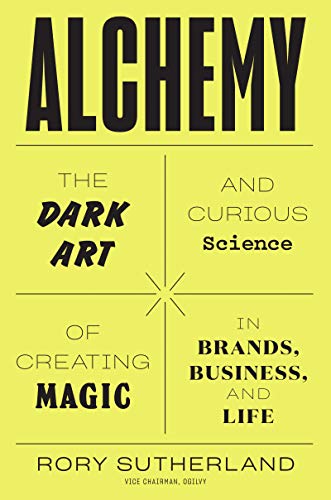
Alchemy: The Dark Art and Curious Science of Creating Magic in Brands, Business, and Life by Rory Sutherland

Alchemy: The Dark Art and Curious Science of Creating Magic in Brands, Business, and Life

by Rory Sutherland

star4.5

Sutherland, an ad executive turned behavioural evangelist, argues that the biggest breakthroughs in branding, policy, and design come from psycho-logic, not logic, and that ideas which look irrational on paper often outperform optimized ones. He champions counterintuitive nudges (making trains feel faster, not actually faster) as the highest-leverage levers in business and life.

psychologymarketing
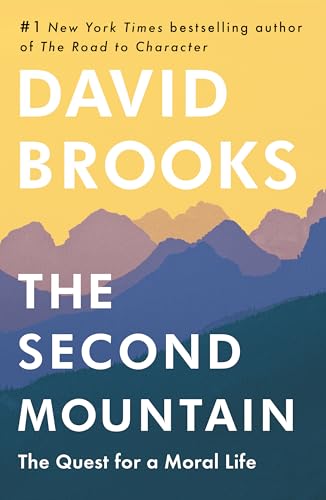
The Second Mountain: The Quest for a Moral Life by David Brooks

The Second Mountain: The Quest for a Moral Life

by David Brooks

star4.5

Brooks argues that modern life trains us to climb the first mountain of individual achievement but leaves us hollow, and that fulfilment comes from the second mountain of commitment to a spouse, vocation, faith, and community. He marshals moral philosophy, psychology, and profiles of exemplary lives to distinguish self-centreed happiness from other-centreed joy.

philosophypsychology
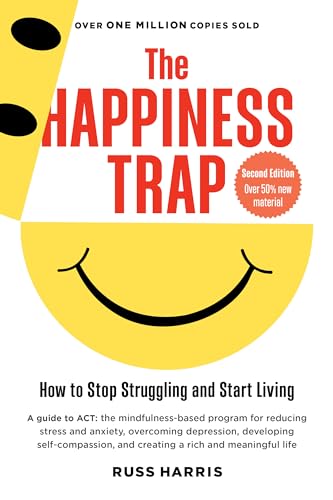
The Happiness Trap: How to Stop Struggling and Start Living by Russ Harris

The Happiness Trap: How to Stop Struggling and Start Living

by Russ Harris

star4.5

Harris introduces Acceptance and Commitment Therapy (ACT) to a general audience, arguing that the cultural pursuit of happiness is itself the problem, the struggle to eliminate painful thoughts and feelings amplifies them. He teaches defusion, acceptance, values clarification, and committed action as the alternative to control-based coping.

psychologyself-help
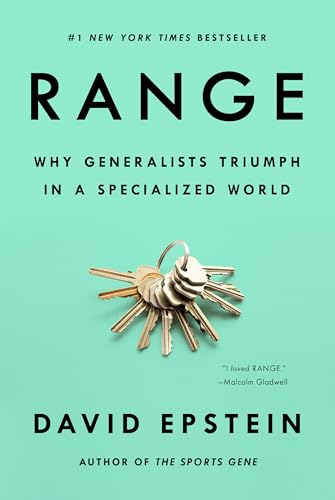
Range by David Epstein

Range

by David Epstein

star4.4

Epstein argues that generalists outperform specialists in complex, unpredictable fields. Broad experience and late specialisation build the adaptive thinking that wicked problems demand.

psychologyscience
The Psychology of Money by Morgan Housel

The Psychology of Money

by Morgan Housel

star4.4

Housel argues that financial success depends more on behaviour than intelligence. Through short stories, he shows how ego, greed, patience, and compounding shape wealth more than spreadsheets ever will.

businesspsychology
Yes! 50 Scientifically Proven Ways to Be Persuasive by Noah J. Goldstein, Steve J. Martin, and Robert B. Cialdini

Yes! 50 Scientifically Proven Ways to Be Persuasive

by Noah J. Goldstein, Steve J. Martin, and Robert B. Cialdini

star4.4

Goldstein, Martin, and Cialdini translate six decades of persuasion research into fifty short, practical tactics that any reader can test in work or life. Each chapter distills a single study into a concrete technique for applying reciprocity, consistency, social proof, liking, authority, or scarcity in everyday influence.

businesspsychology
How Minds Change: The Surprising Science of Belief, Opinion, and Persuasion by David McRaney

How Minds Change: The Surprising Science of Belief, Opinion, and Persuasion

by David McRaney

star4.4

McRaney investigates deep canvassing, street epistemology, and motivational interviewing to show that people rarely change their minds through argument but often do through nonjudgemental dialogue that surfaces the reasons behind their beliefs. He weaves neuroscience, former cult members, and persuasion researchers into a playbook for durable attitude change.

psychologycognitive science
Hyperfocus: How to Be More Productive in a World of Distraction by Chris Bailey

Hyperfocus: How to Be More Productive in a World of Distraction

by Chris Bailey

star4.4

Bailey synthesizes attention research to argue that human productivity depends on skillfully toggling between two modes: hyperfocus, where attention is deliberately narrowed onto one intention, and scatterfocus, the mind-wandering mode where the brain consolidates memory and generates insight. He provides specific protocols for expanding attentional space, manageing distractions, and scheduling both modes.

productivitypsychology
I Am Mind by Deep Trivedi

I Am Mind

by Deep Trivedi

star4.4

Trivedi argues that the mind is not the brain but a separate force shaping our thoughts and behaviour. He draws on Eastern philosophy and his own framework of "psychospirituality" to explore how to gain conscious control of the mind.

philosophypsychology
The Self-Driven Child: The Science and Sense of Giving Your Kids More Control Over Their Lives by William Stixrud and Ned Johnson

The Self-Driven Child: The Science and Sense of Giving Your Kids More Control Over Their Lives

by William Stixrud and Ned Johnson

star4.32

Stixrud, a clinical neuropsychologist, and Johnson, a teen coach, argue that the best antidote to the stress epidemic among children and adolescents is giving them a greater sense of control over their own lives. They draw on brain science and self-determination theory to show that autonomy reduces the harmful effects of chronic stress on the developing brain and builds the internal motivation needed for lasting success.

parentingneuroscience
The Anxious Generation: How the Great Rewiring of Childhood Is Causing an Epidemic of Mental Illness by Jonathan Haidt

The Anxious Generation: How the Great Rewiring of Childhood Is Causing an Epidemic of Mental Illness

by Jonathan Haidt

star4.31

Haidt argues that the convergence of overprotective parenting and the rise of smartphone-based childhood has produced an unprecedented mental health crisis among adolescents beginning around 2012. He documents how the shift from a play-based childhood to a phone-based childhood disrupts social development through mechanisms including sleep deprivation, attention fragmentation, addiction, and corrosive social comparison.

psychologyparenting
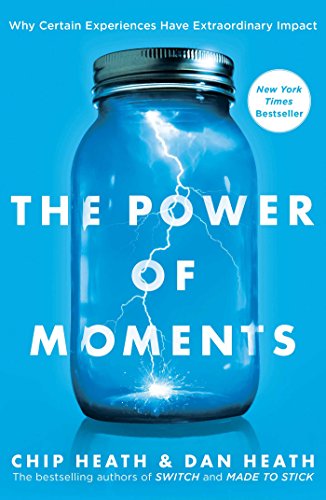
The Power of Moments by Chip Heath

The Power of Moments

by Chip Heath

star4.3

Heath shows the most memorable experiences share common elements: elevation, insight, pride, and connection. By deliberately engineering these moments, leaders can transform ordinary experiences.

psychologybusiness
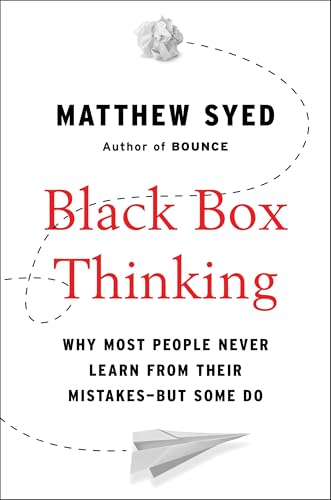
Black Box Thinking by Matthew Syed

Black Box Thinking

by Matthew Syed

star4.3

Syed argues that success hinges on treating failure as data, not disgrace. Closed loops that hide mistakes stagnate; open loops that learn from them drive real progress.

psychologybusiness
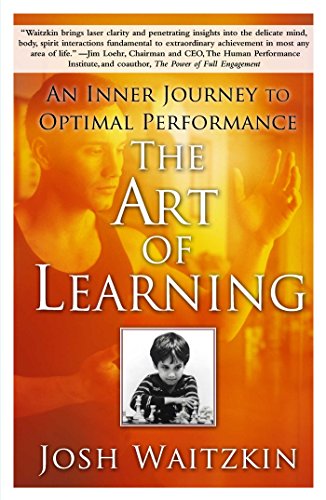
The Art of Learning by Josh Waitzkin

The Art of Learning

by Josh Waitzkin

star4.3

Waitzkin, chess prodigy turned martial arts champion, shares his framework for mastering any skill by investing in loss and making smaller circles to deepen understanding.

psychologyself-help
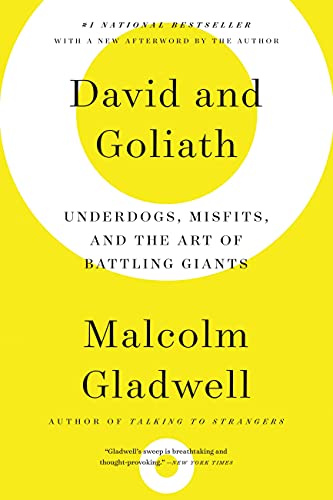
David and Goliath by Malcolm Gladwell

David and Goliath

by Malcolm Gladwell

star4.3

Gladwell argues that many apparent disadvantages, from dyslexia to losing a parent to attending a lesser school, can become hidden advantages when they force different strategies or compensating strengths. Through stories ranging from the biblical duel to civil-rights struggles and asymmetric warfare, he introduces the concept of 'desirable difficulties' to reframe our understanding of power.

psychology
Magic Words by Jonah Berger

Magic Words

by Jonah Berger

star4.3

Berger argues that small linguistic choices have outsized effects on persuasion, and he organises the new science of language into six categories: identity and agency, confidence, questions, concreteness, emotion, and similarity. He draws on computational linguistics, machine learning, and natural language processing research from thousands of real conversations and texts.

businesspsychology
Risk Savvy: How to Make Good Decisions by Gerd Gigerenzer

Risk Savvy: How to Make Good Decisions

by Gerd Gigerenzer

star4.3

Gigerenzer argues that most people are not irrational but risk-illiterate, and that simple rules of thumb plus clear statistics (natural frequencies, not conditional probabilities) can make doctors, investors, and citizens dramatically better decision-makers. He pushes back on the prevailing biases-and-nudges view, championing fast-and-frugal heuristics as the real engine of smart choice under uncertainty.

psychologyeconomics
Mating in Captivity: Unlocking Erotic Intelligence by Esther Perel

Mating in Captivity: Unlocking Erotic Intelligence

by Esther Perel

star4.3

Perel argues that modern couples expect their partner to be simultaneously a source of safety and erotic excitement, two needs that pull in opposite directions. Drawing on cross-cultural clinical work, she contends that desire requires distance, mystery, and otherness, qualities that the ideology of total intimacy actively erodes.

psychologyrelationships
The Good Quit: Mastering the Fine Art of Giving Up by Jeffrey A. Lockwood

The Good Quit: Mastering the Fine Art of Giving Up

by Jeffrey A. Lockwood

star4.3

University of Wyoming professor Jeffrey Lockwood argues that quitting is an underappreciated skill — knowing when and how to walk away from relationships, careers, beliefs and addictions is essential to a well-lived life.

philosophypsychology
No-Drama Discipline: The Whole-Brain Way to Calm the Chaos and Nurture Your Child's Developing Mind by Daniel J. Siegel and Tina Payne Bryson

No-Drama Discipline: The Whole-Brain Way to Calm the Chaos and Nurture Your Child's Developing Mind

by Daniel J. Siegel and Tina Payne Bryson

star4.26

Siegel and Bryson redefine discipline as teaching rather than punishment, showing how a child's neurological development should guide parental responses to misbehavior. They provide a whole-brain framework for connecting emotionally with a child during moments of distress before redirecting behavior, turning disciplinary encounters into opportunities for brain development and growth.

parentingneuroscience
The Whole-Brain Child: 12 Revolutionary Strategies to Nurture Your Child's Developing Mind by Daniel J. Siegel and Tina Payne Bryson

The Whole-Brain Child: 12 Revolutionary Strategies to Nurture Your Child's Developing Mind

by Daniel J. Siegel and Tina Payne Bryson

star4.25

Siegel and Bryson translate cutting-edge neuroscience into practical parenting strategies, explaining how the upstairs brain responsible for decision-making remains under construction until the mid-twenties while the emotional right brain often dominates in young children. They offer twelve age-appropriate techniques for integrating different brain regions to help children develop emotional regulation, empathy, and resilience.

parentingneuroscience
The Happiness Advantage by Shawn Achor

The Happiness Advantage

by Shawn Achor

star4.2

Achor argues happiness is not the result of success but its precursor, positive brains outperform negative ones. Rewiring habits around gratitude, connection, and meaning yields a measurable edge.

psychologyself-help
Influence Is Your Superpower by Zoe Chance

Influence Is Your Superpower

by Zoe Chance

star4.2

Chance draws on behavioural science to show that influence means reducing friction, not manipulating people. The most underused persuasion tool is simply asking for what you want.

psychologybusiness
Upstream by Dan Heath

Upstream

by Dan Heath

star4.2

Heath argues we spend too much time reacting to problems when we should prevent them upstream. The shift requires overcoming tunneling, ownership gaps, and the invisibility of non-events.

businesspsychology
Rebel Ideas by Matthew Syed

Rebel Ideas

by Matthew Syed

star4.2

Syed shows that cognitive diversity, not demographic diversity alone, is the engine of collective intelligence. Teams that think differently unlock solutions no individual could find.

psychologybusiness
How We Learn by Stanislas Dehaene

How We Learn

by Stanislas Dehaene

star4.2

Dehaene reveals four pillars of learning from neuroscience: attention, active engagement, error feedback, and consolidation through sleep. The brain learns powerfully, but only under the right conditions.

sciencepsychology
This View of Life by David Sloan Wilson

This View of Life

by David Sloan Wilson

star4.2

Wilson argues that Darwinian evolution has only been half-completed: applied systematically to biology but still resisted in the study of culture, policy, and everyday life. Drawing on multilevel selection theory, he contends that prosocial behavior is selected at the group level and proposes evolutionary design as a tool for consciously improving schools, cities, and economies.

philosophypsychology
The Invisible Gorilla: And Other Ways Our Intuitions Deceive Us by Christopher Chabris and Daniel Simons

The Invisible Gorilla: And Other Ways Our Intuitions Deceive Us

by Christopher Chabris and Daniel Simons

star4.2

Chabris and Simons, creators of the famous selective-attention experiment, unpack six everyday illusions (attention, memory, confidence, knowledge, cause, and potential) that routinely mislead smart people. They weave counterintuitive laboratory findings and real-world disasters to show that intuition is a much worse guide than we believe.

psychologycognitive science
You Are Not So Smart by David McRaney

You Are Not So Smart

by David McRaney

star4.2

McRaney catalogs forty-eight cognitive biases, heuristics, and logical fallacies (confirmation bias, the Dunning-Kruger effect, hindsight bias, the Texas sharpshooter fallacy) in short, pop-culture-rich chapters. By the last page, readers are meant to leave thoroughly disabused of the idea that they are reliable narrators of their own minds.

psychologycognitive science
Priceless: The Myth of Fair Value (and How to Take Advantage of It) by William Poundstone

Priceless: The Myth of Fair Value (and How to Take Advantage of It)

by William Poundstone

star4.2

Poundstone traces the history of psychophysics and prospect theory to show that prices are not rational signals but malleable numbers anchored by context, menus, and decoys. He synthesizes the research of Kahneman, Tversky, and contemporary pricing consultants into a practical tour of how anchoring, coherent arbitrariness, and framing set what you pay.

psychologyeconomics
How to Calm Your Mind: Finding Presence and Productivity in Anxious Times by Chris Bailey

How to Calm Your Mind: Finding Presence and Productivity in Anxious Times

by Chris Bailey

star4.2

Bailey recounts his own burnout onstage and makes the case that chronic busyness is a stimulation addiction, modern work environments flood us with dopamine-hit tasks that raise our stimulation baseline and make calm impossible. He prescribes deliberately lowering stimulation through analog hobbies, savoring, and stimulation fasts, arguing that calm is not the opposite of productivity but its foundation.

productivitypsychology
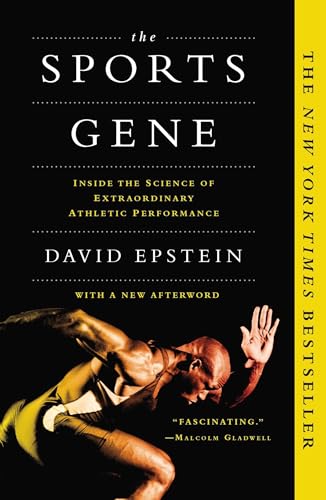
The Sports Gene: Inside the Science of Extraordinary Athletic Performance by David Epstein

The Sports Gene: Inside the Science of Extraordinary Athletic Performance

by David Epstein

star4.2

Investigative journalist David Epstein examines the intersection of genetics, training, and environment in shaping athletic greatness, travelling to elite training grounds and genetics labs worldwide to challenge simplistic nature-versus-nurture explanations. Through compelling case studies, from Jamaican sprinters to Kenyan distance runners to high-jumping cattle herders, the book reveals that the path to sporting excellence involves a complex interplay between genetic predisposition and the quality and quantity of practice.

sports-sciencescience
Radical Acceptance: Embracing Your Life With the Heart of a Buddha by Tara Brach

Radical Acceptance: Embracing Your Life With the Heart of a Buddha

by Tara Brach

star4.2

Clinical psychologist and Buddhist teacher Tara Brach weaves together Western psychology and Eastern spiritual practice to address the pervasive feeling of unworthiness she calls the 'trance of unworthiness.' Through personal stories, guided meditations, and Buddhist teachings, she shows how radical acceptance of our moment-to-moment experience can heal shame and fear. The book offers a path to reconnecting with our innate goodness and compassion.

spiritualitypsychology
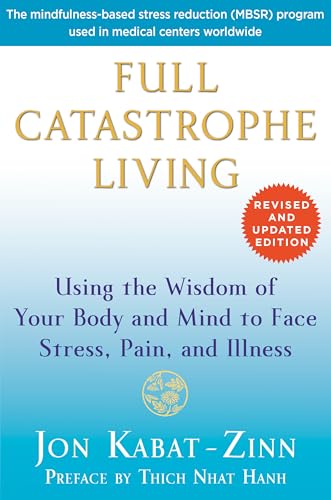
Full Catastrophe Living: Using the Wisdom of Your Body and Mind to Face Stress, Pain, and Illness by Jon Kabat-Zinn

Full Catastrophe Living: Using the Wisdom of Your Body and Mind to Face Stress, Pain, and Illness

by Jon Kabat-Zinn

star4.2

Jon Kabat-Zinn presents the landmark mindfulness-based stress reduction (MBSR) program he developed at the University of Massachusetts Medical Centre, providing detailed instruction in meditation, body awareness, and yoga. Grounded in clinical research demonstrating MBSR's effectiveness for chronic pain, anxiety, and illness, the book serves as both a practical manual and a philosophical argument for bringing mindful attention to every aspect of daily life. It has become the foundational text of the mindfulness movement in Western medicine.

healthpsychology
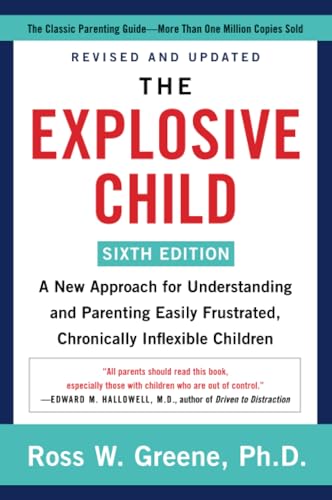
The Explosive Child: A New Approach for Understanding and Parenting Easily Frustrated, Chronically Inflexible Children by Ross W. Greene

The Explosive Child: A New Approach for Understanding and Parenting Easily Frustrated, Chronically Inflexible Children

by Ross W. Greene

star4.18

Greene introduces the Collaborative and Proactive Solutions model based on the premise that children do well if they can, reframing explosive behavior as a signal of lagging skills in flexibility, frustration tolerance, and problem-solving rather than willful defiance. He provides a step-by-step approach for identifying unsolved problems and working collaboratively with children to develop mutually satisfactory solutions.

parentingpsychology
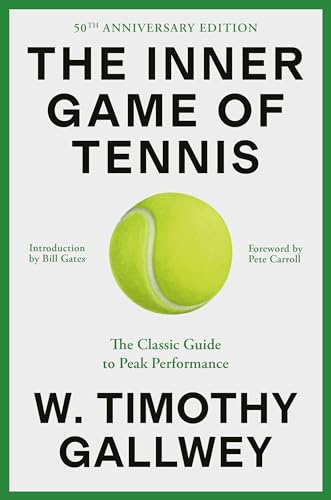
The Inner Game of Tennis: The Classic Guide to the Mental Side of Peak Performance by W. Timothy Gallwey

The Inner Game of Tennis: The Classic Guide to the Mental Side of Peak Performance

by W. Timothy Gallwey

star4.18

Gallwey's groundbreaking 1974 classic introduces the concept of the 'inner game' - the mental battle against self-doubt and anxiety that takes place within every athlete's mind. Built on a foundation of Zen thinking and humanistic psychology, the book provides a framework for quieting the critical 'Self 1' to let the competent 'Self 2' perform naturally, with principles that have since been applied far beyond tennis to business, education, and personal development.

sports-psychologyself-help
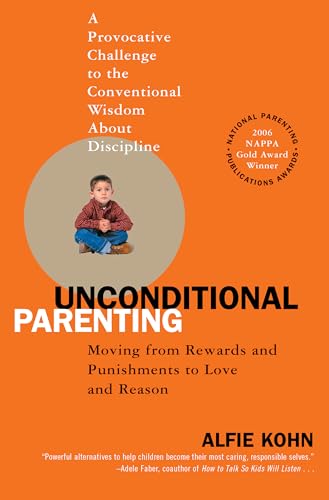
Unconditional Parenting: Moving from Rewards and Punishments to Love and Reason by Alfie Kohn

Unconditional Parenting: Moving from Rewards and Punishments to Love and Reason

by Alfie Kohn

star4.16

Kohn challenges conventional discipline strategies built on rewards, punishments, and conditional approval, arguing instead for an approach grounded in unconditional love and respect for children's autonomy. He draws on developmental psychology research to show that controlling parenting methods undermine children's intrinsic motivation, moral development, and emotional well-being.

parentingpsychology
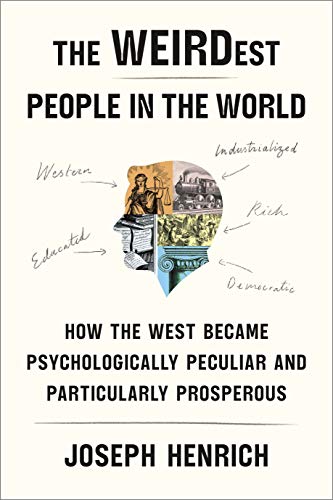
The WEIRDest People in the World: How the West Became Psychologically Peculiar and Particularly Prosperous by Joseph Henrich

The WEIRDest People in the World: How the West Became Psychologically Peculiar and Particularly Prosperous

by Joseph Henrich

star4.13

Henrich reveals that people from Western, Educated, Industrialized, Rich, and Democratic societies are psychological outliers, not the human norm. He traces how the medieval Catholic Church's marriage policies dissolved kinship networks, fostering the individualism, analytical thinking, and impersonal trust that drove Western institutional development and economic prosperity.

anthropologypsychology
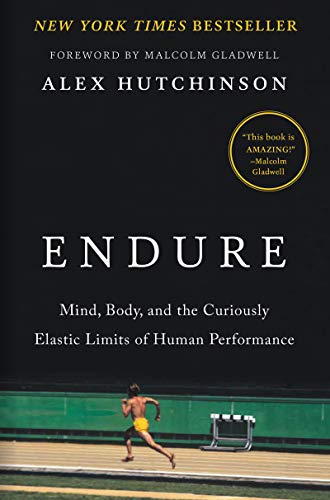
Endure: Mind, Body, and the Curiously Elastic Limits of Human Performance by Alex Hutchinson

Endure: Mind, Body, and the Curiously Elastic Limits of Human Performance

by Alex Hutchinson

star4.12

Science journalist Alex Hutchinson explores cutting-edge research revealing that the limits of human endurance are not simply a matter of physical capacity but are governed by the brain's perception of effort and fatigue. Drawing on studies from neuroscience, physiology, and psychology - along with stories from elite athletes pushing the boundaries of marathons, Arctic exploration, and high-altitude climbing - the book argues that our mental framework determines how far we can push our bodies.

sports-sciencepsychology
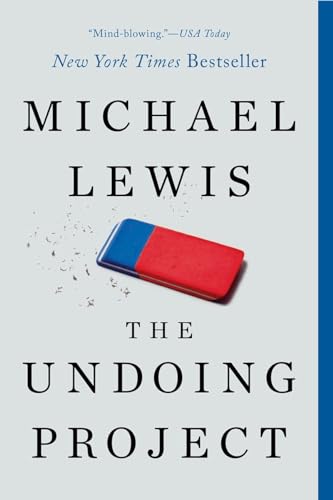
The Undoing Project by Michael Lewis

The Undoing Project

by Michael Lewis

star4.1

Lewis chronicles Kahneman and Tversky's partnership, whose research revealed systematic errors in human judgement. Their work rewrote our understanding of how minds actually work under uncertainty.

psychologyhistory
The Intelligence Trap by David Robson

The Intelligence Trap

by David Robson

star4.1

Robson reveals that high intelligence can make people more vulnerable to bias, since smart people are better at rationalizing flawed conclusions. The antidote is humility and disconfirming evidence.

psychologyscience
Originals by Adam Grant

Originals

by Adam Grant

star4.1

Grant studies how non-conformists drive change by being surprisingly strategic. Originals succeed not through reckless risk but by generating many ideas and timing their moves carefully.

businesspsychology
Tribe by Sebastian Junger

Tribe

by Sebastian Junger

star4.1

Junger argues modern society has destroyed the tribal bonds humans evolved to need. Adversity and shared hardship paradoxically make people happier by restoring communal purpose.

psychologyself-help
Moonwalking with Einstein by Joshua Foer

Moonwalking with Einstein

by Joshua Foer

star4.1

Foer trains for the US Memory Championship and discovers extraordinary memory is a skill, not a gift, built on ancient spatial techniques anyone can learn. Memory shapes identity itself.

psychologyscience
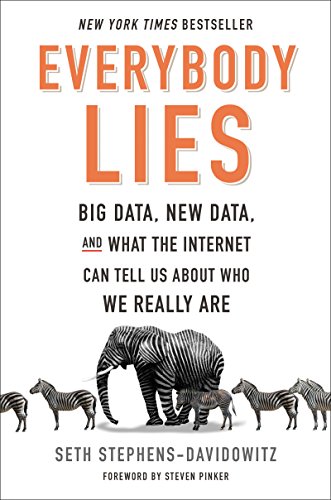
Everybody Lies by Seth Stephens-Davidowitz

Everybody Lies

by Seth Stephens-Davidowitz

star4.1

Stephens-Davidowitz argues that search data reveals truths about behaviour that surveys miss. What people type into Google, about prejudice, desire, and anxiety, is more honest than what they say aloud.

sciencepsychology
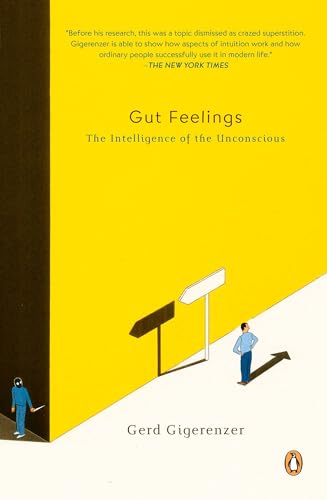
Gut Feelings: The Intelligence of the Unconscious by Gerd Gigerenzer

Gut Feelings: The Intelligence of the Unconscious

by Gerd Gigerenzer

star4.1

Gigerenzer makes the case that gut feelings are not irrational leaps but the product of fast-and-frugal heuristics exquisitely tuned to real environments, often outperforming complex models. He walks through examples (the recognition heuristic, take-the-best, 1/N investing) where using less information and ignoring cues beats optimization.

psychologycognitive science
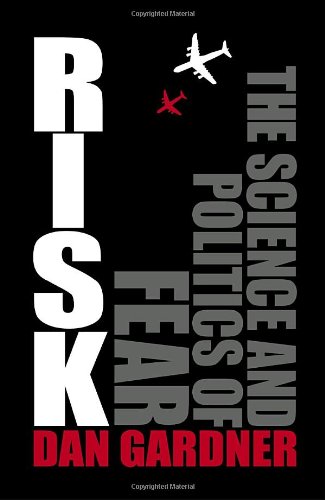
Risk: The Science and Politics of Fear by Dan Gardner

Risk: The Science and Politics of Fear

by Dan Gardner

star4.1

Gardner, working closely with risk researcher Paul Slovic, shows how the human brain's ancient intuitive 'gut' system systematically misreads statistical risk, and how media, politicians, and advocates exploit those miscalibrations. The book is a field guide to why we fear terrorism over car crashes and how to recalibrate intuition with evidence.

psychologyeconomics
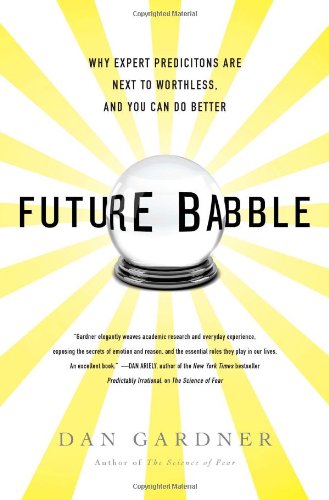
Future Babble: Why Expert Predictions Are Next to Worthless, and You Can Do Better by Dan Gardner

Future Babble: Why Expert Predictions Are Next to Worthless, and You Can Do Better

by Dan Gardner

star4.1

Gardner turns Philip Tetlock's twenty-year study of expert forecasting into narrative non-fiction, showing that confident pundits (hedgehogs) are consistently wrong while equivocating foxes outperform. He catalogs the cognitive reasons we keep believing bad forecasts anyway, from hindsight bias to narrative coherence.

psychologyeconomics
Mind Gym: An Athlete's Guide to Inner Excellence by Gary Mack and David Casstevens

Mind Gym: An Athlete's Guide to Inner Excellence

by Gary Mack and David Casstevens

star4.07

Drawing on his career as a sports psychology consultant to athletes in the NBA, NFL, NHL, and Major League Baseball, Gary Mack presents forty concise lessons on the mental side of athletic performance. Each chapter combines practical mental training exercises with real-world anecdotes from elite athletes, covering topics from concentration and confidence to handling pressure and overcoming performance anxiety.

sports-psychologyself-help
The Organized Mind by Daniel Levitin

The Organized Mind

by Daniel Levitin

star4

Levitin explains how the brain's attention systems are overwhelmed by modern information overload. Externalizing information and building organisational systems frees cognition for real thinking.

psychologyproductivity
Mindware by Richard Nisbett

Mindware

by Richard Nisbett

star4

Nisbett presents tools from statistics, logic, and behavioural economics that sharpen everyday reasoning. These scientific thinking frameworks are teachable and dramatically improve judgement quality.

psychologyscience
Seeing What Others Don't by Gary Klein

Seeing What Others Don't

by Gary Klein

star4

Klein studies how insights arise, identifying triggers - contradictions, connections, creative desperation - that spark breakthroughs. Insights come from noticing what doesn't fit, not pure analysis.

psychologydecision-making
Elastic by Leonard Mlodinow

Elastic

by Leonard Mlodinow

star4

Mlodinow argues flexible, exploratory thinking, elastic thinking, is more valuable than pure analysis in a fast-changing world. Embracing ambiguity and idea integration is key to adapting.

psychologyscience
The Halo Effect by Phil Rosenzweig

The Halo Effect

by Phil Rosenzweig

star4

Rosenzweig exposes how a company's results color every assessment of its strategy - the halo effect. Most business bestsellers confuse correlation with causation and storytelling with science.

businesspsychology
The Person and the Situation by Lee Ross

The Person and the Situation

by Lee Ross

star4

Ross and Nisbett show behavior is shaped more by situations than personality, yet we attribute actions to character. This fundamental attribution error distorts how we judge and predict other people.

psychologyscience
Man's Search for Ultimate Meaning by Viktor Frankl

Man's Search for Ultimate Meaning

by Viktor Frankl

star4

Frankl extends his earlier work to argue that repressed meaning, not repressed sexuality, is the root of modern neurosis. The unconscious, he claims, is fundamentally spiritual.

philosophypsychology
When by Daniel Pink

When

by Daniel Pink

star4

Pink reveals that timing is a science, our cognitive abilities shift predictably throughout the day. Mornings favor analytics, while insight peaks during our non-optimal hours.

psychologyproductivity
Talking to Strangers by Malcolm Gladwell

Talking to Strangers

by Malcolm Gladwell

star4

Gladwell examines why we're terrible at reading strangers, from failed interrogations to wrongful arrests. Our default to truth is vital for society but makes us easy to deceive.

psychology
Mindwise by Nicholas Epley

Mindwise

by Nicholas Epley

star4

Epley reveals we are far worse at reading minds than we think - our confidence routinely outstrips accuracy. The best remedy isn't more intuition but simply asking people directly.

psychologyself-help
Noise by Daniel Kahneman

Noise

by Daniel Kahneman

star4

Kahneman, Sibony, and Sunstein reveal that random variability in judgement, noise, causes as much error as bias yet stays invisible. Decision hygiene is the cheapest fix.

psychologyscience
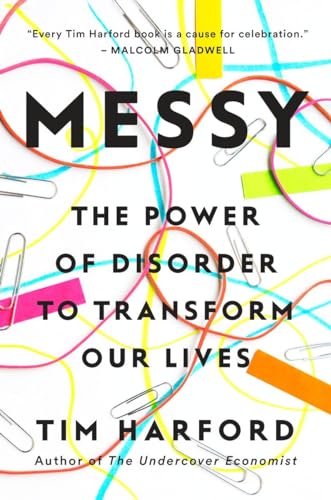
Messy by Tim Harford

Messy

by Tim Harford

star4

Harford argues that messy environments, improvisation, and randomness often outperform rigid planning. Disorder fuels creativity and resilience when we stop fighting it.

psychologybusiness
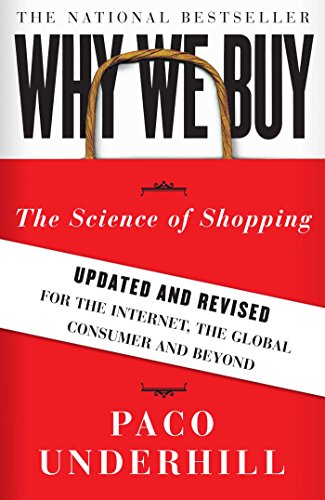
Why We Buy by Paco Underhill

Why We Buy

by Paco Underhill

star4

Underhill applies anthropological observation to retail, revealing how store layout and shopper behaviour shape what gets bought. Purchases are driven more by environment and habit than by ads or price.

businesspsychology
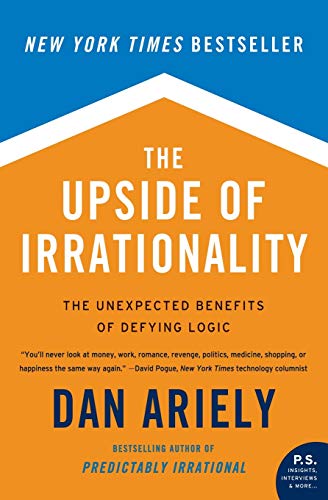
The Upside of Irrationality by Dan Ariely

The Upside of Irrationality

by Dan Ariely

star4

Ariely explores how irrational impulses shape work, relationships, and fairness in ways we rarely notice. Once understood, our predictable quirks can be harnessed rather than merely suffered.

psychology
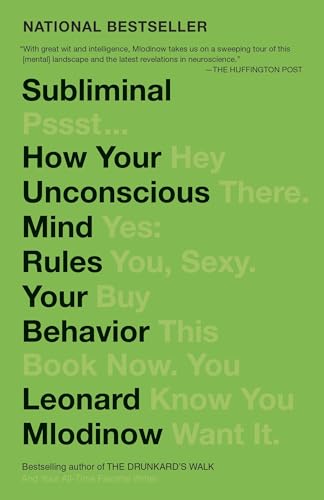
Subliminal by Leonard Mlodinow

Subliminal

by Leonard Mlodinow

star4

Mlodinow reveals how the unconscious mind shapes perceptions, memories, and social judgements without our awareness. What we experience as rational thought is heavily filtered by processes we never see.

psychologyscience
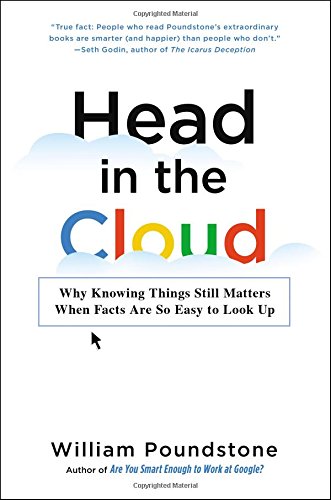
Head in the Cloud: Why Knowing Things Still Matters When Facts Are So Easy to Look Up by William Poundstone

Head in the Cloud: Why Knowing Things Still Matters When Facts Are So Easy to Look Up

by William Poundstone

star4

Poundstone fields large-scale surveys to map what Americans know (and don't) and correlates general knowledge with income, health, and political behavior. He argues that in a Google-saturated world, a stocked mental warehouse still drives better judgement, cognitive fluency, and resistance to misinformation.

psychologycognitive science
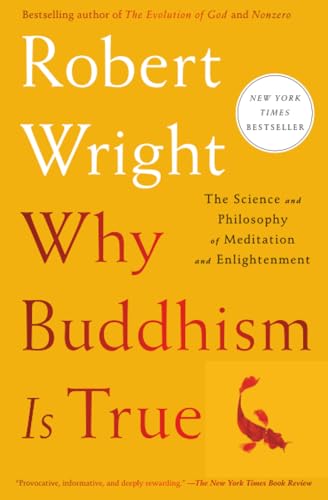
Why Buddhism Is True: The Science and Philosophy of Meditation and Enlightenment by Robert Wright

Why Buddhism Is True: The Science and Philosophy of Meditation and Enlightenment

by Robert Wright

star4

Robert Wright makes the case that core Buddhist insights about the nature of suffering, the self, and perception are validated by modern evolutionary psychology and neuroscience. He argues that natural selection designed human minds to be deluded in specific ways, and that meditation offers a path to seeing through these illusions. The book presents a secular, evidence-based Buddhism stripped of supernatural beliefs yet faithful to its deepest philosophical claims.

philosophybuddhism
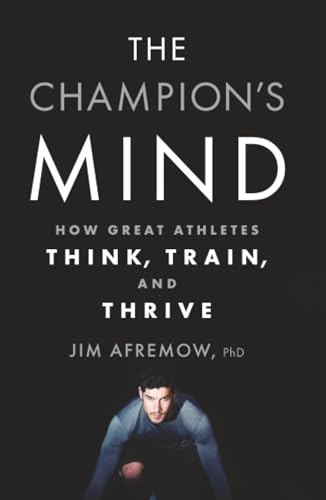
The Champion's Mind: How Great Athletes Think, Train, and Thrive by Jim Afremow

The Champion's Mind: How Great Athletes Think, Train, and Thrive

by Jim Afremow

star3.94

Sports psychologist Jim Afremow distills his experience working with Olympic and professional athletes into a practical guide for developing the mental skills that separate good athletes from great ones. Covering visualization, self-talk, goal-setting, and pre-performance routines, the book provides actionable techniques grounded in high-performance psychology research that athletes at any level can use to get in the zone and sustain excellence.

sports-psychologyself-help
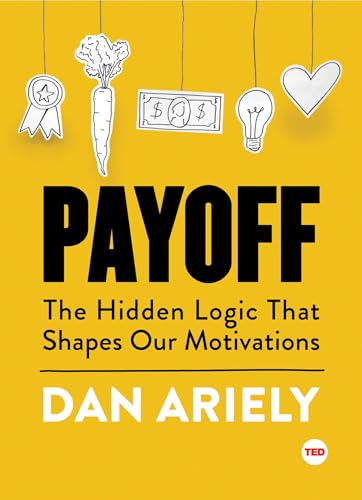
Payoff by Dan Ariely

Payoff

by Dan Ariely

star3.9

Ariely explores hidden forces behind motivation, finding that meaning and ownership matter far more than money. Small gestures of recognition often outperform large financial incentives.

psychologybusiness
The Wisest One in the Room by Thomas Gilovich

The Wisest One in the Room

by Thomas Gilovich

star3.9

Gilovich and Ross show how social psychology's insights - situational power, construal, naive realism - explain why smart people misjudge others and themselves. Wisdom beats raw intelligence.

psychologyself-help
Dollars and Sense by Dan Ariely

Dollars and Sense

by Dan Ariely

star3.9

Ariely and Kreisler reveal how biases distort our relationship with money, from mental accounting to the pain of paying. Understanding these irrational patterns is the first step to smarter finances.

psychologyeconomics
The Psychopath Test by Jon Ronson

The Psychopath Test

by Jon Ronson

star3.9

Ronson investigates psychopathy diagnosis, finding the checklist used to identify psychopaths is both powerful and dangerously subjective. The line between madness and sanity is thin.

psychology
Scarcity by Sendhil Mullainathan

Scarcity

by Sendhil Mullainathan

star3.9

Mullainathan shows scarcity captures the mind, creating tunnel vision that leads to worse decisions. Poverty isn't just a lack of resources - it's a cognitive tax that perpetuates itself.

psychologyscience
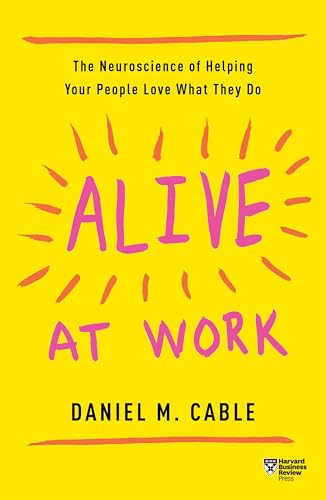
Alive at Work by Daniel Cable

Alive at Work

by Daniel Cable

star3.9

Cable argues modern organisations crush innate drives to explore, experiment, and self-express. Reigniting engagement means activating people's seeking systems, not just rewarding compliance.

businesspsychology
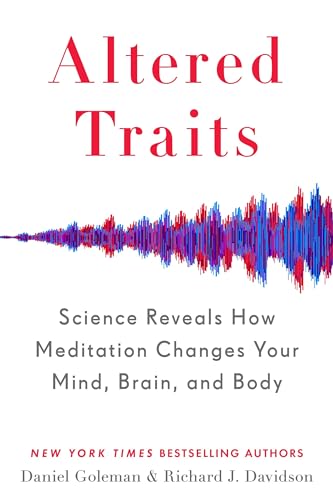
Altered Traits: Science Reveals How Meditation Changes Your Mind, Brain, and Body by Daniel Goleman and Richard J. Davidson

Altered Traits: Science Reveals How Meditation Changes Your Mind, Brain, and Body

by Daniel Goleman and Richard J. Davidson

star3.9

Two pioneering researchers review over 6,000 scientific studies on meditation and select the 60 most rigorous to reveal what contemplative practice actually does to the brain. Goleman and Davidson distinguish temporary meditative states from lasting altered traits, showing that deep practitioners develop measurably different neural signatures, reduced stress reactivity, and increased compassion. The book provides the most comprehensive scientific assessment of meditation's real benefits to date.

sciencepsychology
Status Anxiety by Alain de Botton

Status Anxiety

by Alain de Botton

star3.89

De Botton examines the universal anxiety about one's standing in society, tracing its roots from Rousseau and Marx to modern meritocratic ideals. Drawing on philosophy, art, and literature, he identifies five causes of status anxiety and five consolations, offering a humane guide to living with the relentless pressure of social comparison.

philosophypsychology
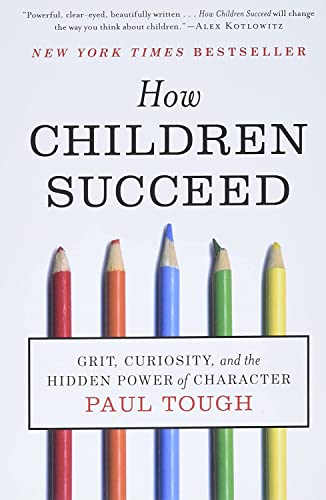
How Children Succeed: Grit, Curiosity, and the Hidden Power of Character by Paul Tough

How Children Succeed: Grit, Curiosity, and the Hidden Power of Character

by Paul Tough

star3.87

Tough synthesizes research from neuroscience, economics, and psychology to argue that the qualities that matter most for children's success are character strengths like grit, curiosity, and conscientiousness rather than cognitive ability alone. He profiles researchers and educators working at the intersection of poverty, stress, and child development to reveal how adverse childhood experiences shape the brain and what interventions can help.

parentingeducation
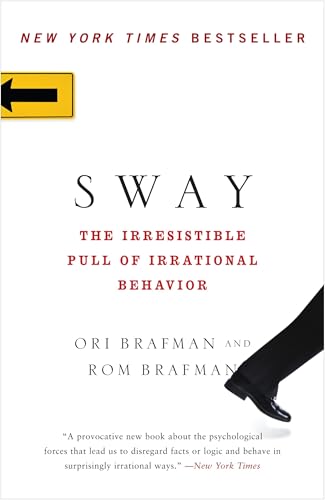
Sway by Ori Brafman

Sway

by Ori Brafman

star3.8

Brafman examines hidden psychological forces, loss aversion, commitment escalation, diagnosis bias, that pull rational people into irrational behavior. These currents operate beneath awareness.

psychologybusiness
How We Decide by Jonah Lehrer

How We Decide

by Jonah Lehrer

star3.8

Lehrer explores the neuroscience of decisions, showing emotions and reason are collaborators, not opponents. Knowing when to trust gut feeling versus deliberate analysis is the real cognitive skill.

psychologyneuroscience
This Book Could Fix Your Life by Helen Thomson

This Book Could Fix Your Life

by Helen Thomson

star3.8

New Scientist journalist Helen Thomson distils the best recent scientific research on happiness, habits, confidence, sleep, intelligence, and relationships into evidence-based advice. Every claim is backed by peer-reviewed studies, not celebrity wisdom.

scienceself-help
Reclaiming Conversation: The Power of Talk in a Digital Age by Sherry Turkle

Reclaiming Conversation: The Power of Talk in a Digital Age

by Sherry Turkle

star3.79

Turkle presents five years of research showing how the flight from face-to-face conversation is undermining empathy, creativity, and productivity in families, schools, and workplaces. Organised around Thoreau's metaphor of 'three chairs,' the book offers a path toward reclaiming the richness of unmediated human dialogue in the digital age.

technologypsychology
The Gardener and the Carpenter: What the New Science of Child Development Tells Us About the Relationship Between Parents and Children by Alison Gopnik

The Gardener and the Carpenter: What the New Science of Child Development Tells Us About the Relationship Between Parents and Children

by Alison Gopnik

star3.78

Gopnik, a leading developmental psychologist at UC Berkeley, argues that the modern concept of goal-directed parenting is misguided, using the metaphor of a carpenter who builds a product versus a gardener who cultivates an ecosystem. Drawing on evolutionary biology, cognitive science, and her own research on children's learning, she demonstrates that children are designed by evolution to explore, play, and learn through variability rather than be shaped toward predetermined outcomes.

parentingpsychology
Phishing for Phools by George Akerlof

Phishing for Phools

by George Akerlof

star3.7

Akerlof and Shiller argue free markets inevitably produce manipulation because profit-seeking exploits psychological weakness. Deceiving people against their interests is a market feature, not a bug.

economicspsychology
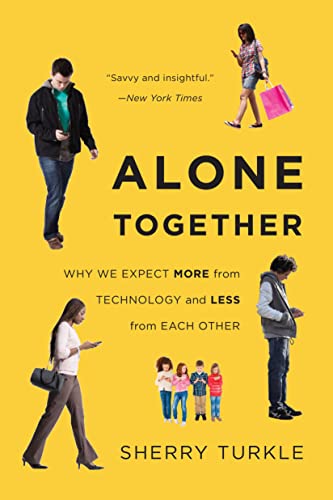
Alone Together: Why We Expect More from Technology and Less from Each Other by Sherry Turkle
Alone Together: Why We Expect More from Technology and Less from Each Other
by Sherry Turkle

star3.61

Drawing on fifteen years of research at MIT, Turkle examines how social robots and digital communication technologies are reshaping human intimacy and social bonds. She argues that as we expect more from technology, we increasingly accept simulations of connection while demanding less authentic engagement from each other.
technologypsychology