The Art of Thinking Clearly

The Art of Thinking Clearly

by Rolf Dobelli

star3.9

Dobelli catalogs cognitive errors, survivorship bias, sunk cost fallacy, and dozens more, that distort everyday reasoning. Awareness of these traps is a critical defense against poor decisions.

Published:
Pages:
384
Buy on Amazon

In the Conversation

In this collection, The Art of Thinking Clearly references 2 other books and is cited by 1 other book.

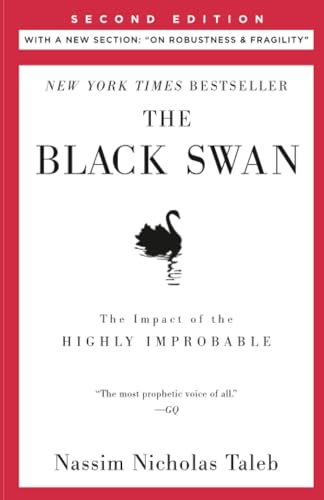
It draws on Thinking, Fast and Slow and The Black Swan.

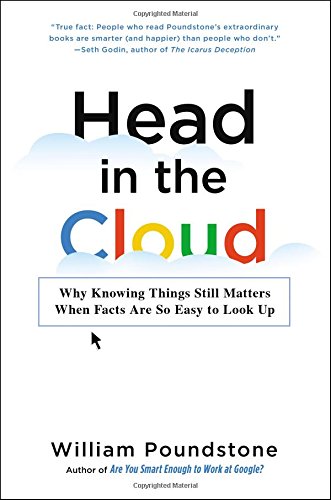
It’s picked up by Head in the Cloud: Why Knowing Things Still Matters When Facts Are So Easy to Look Up.

Scroll down to read the exact passages where other authors reference this book and what they say about it.

What This Book Draws On

2

The books Dobelli references and why each one mattered to the argument.

Dobelli cites Kahneman's research on cognitive biases including anchoring, availability heuristic, and loss aversion throughout

Thinking, Fast and Slow

References

Thinking, Fast and Slow

by Daniel Kahneman

Buy

References Taleb's Black Swan arguments about narrative fallacy and our inability to predict rare events

The Black Swan

References

The Black Swan

by Nassim Nicholas Taleb

Buy

What Other Authors Say About It

1

The exact passages where other authors bring up “The Art of Thinking Clearly” and what they take from it.

Intellectual Lineage

How ideas flow through the citation network. Ancestors are books this title builds on; descendants are books that build on it.

Unexpected Connections

Books from completely different categories that share citation overlap with this one. These are the reads you would not find by browsing a single shelf.

If you liked this, try

Books with the highest citation overlap within the same categories.

Citation Network

This book and its direct connections. Hover a node to see its title, click to visit.

Books this book cites
Books that cite this book
Larger dot = more connections
Thinking, Fast and Slow

Hover a node to highlight its connections. Click to open the book page. Node size reflects total citation links.