The Body Keeps the Score
by Bessel van der Kolk
Van der Kolk reveals how trauma reshapes the brain and body, storing itself in physical sensations. Recovery requires approaches that engage the body, not just talk therapy.
- Published:
- Pages:
- 464

by Bessel van der Kolk
Van der Kolk reveals how trauma reshapes the brain and body, storing itself in physical sensations. Recovery requires approaches that engage the body, not just talk therapy.
In this collection, The Body Keeps the Score references 2 other books and is cited by 7 other books.
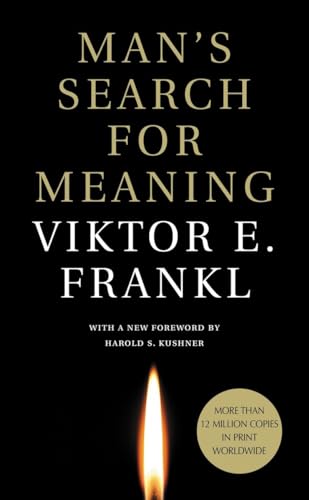
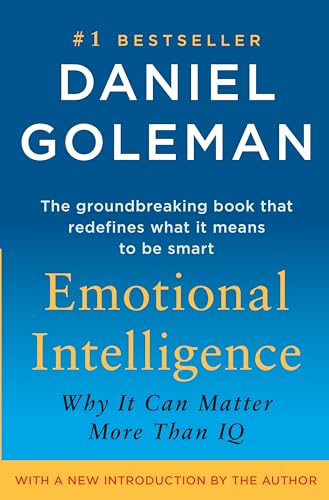
It draws on Man's Search for Meaning and Emotional Intelligence.
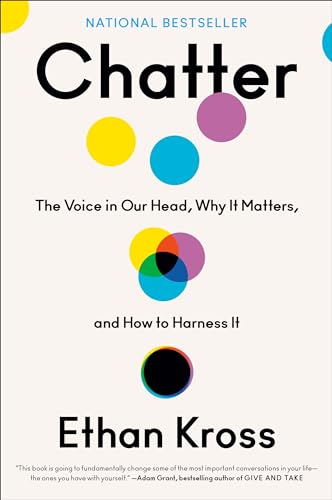
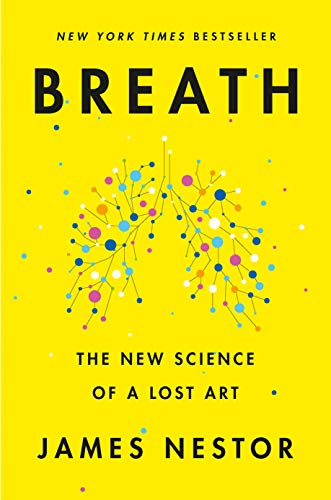
It’s picked up by Chatter, Breath: The New Science of a Lost Art and It Didn't Start with You: How Inherited Family Trauma Shapes Who We Are and How to End the Cycle and 4 others.
Scroll down to read the exact passages where other authors reference this book and what they say about it.
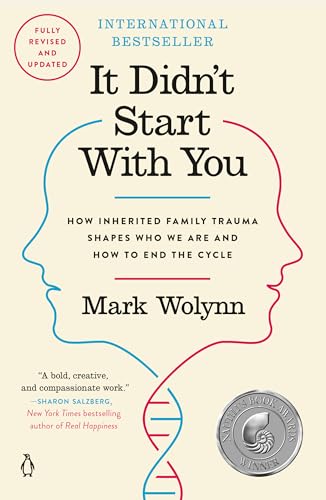
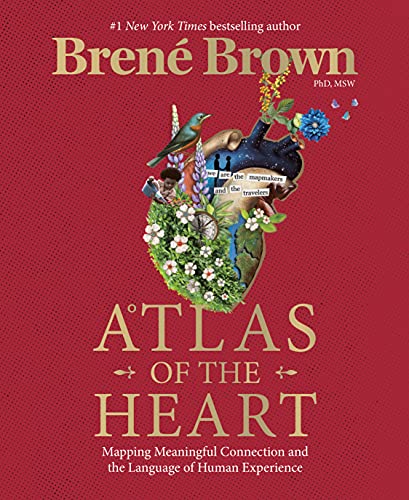
The Body Keeps the Score is widely cited as the most influential book on trauma of the past two decades, referenced across therapy, parenting, and self-help. Ethan Kross draws on van der Kolk's work in Chatter to argue that chronic rumination physically wears down the body, and James Nestor uses his trauma-body framework in Breath to explain why slow breathing calms stored stress responses. Mark Wolynn builds directly on it in It Didn't Start with You, and Brene Brown cites it in Atlas of the Heart on the role of body awareness in emotional granularity.
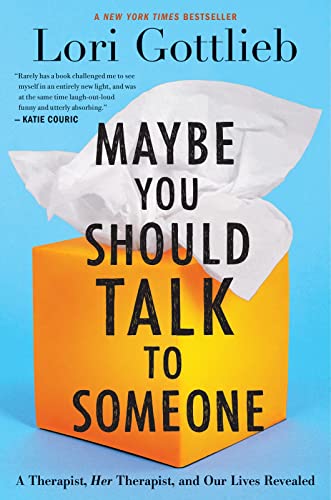
Lori Gottlieb references it in Maybe You Should Talk to Someone for patients whose trauma manifests as physical symptoms. Readers consistently describe it as life-changing, praising its validation that trauma is a physiological event rather than a personal failing, though some find the clinical case studies difficult to read and note that the book's scope can feel overwhelming. It has become essential reading for anyone trying to understand how past experiences live on in the body.
The books Kolk references and why each one mattered to the argument.
Van der Kolk references Frankl on how trauma survivors find meaning.
Van der Kolk references Goleman's EI on trauma disrupting emotional regulation.
The exact passages where other authors bring up “The Body Keeps the Score” and what they take from it.
Kross cites van der Kolk's Body Keeps the Score work on trauma to argue that chronic chatter physically wears down the body through sustained stress-hormone exposure.
Nestor builds on van der Kolk's trauma-body framework, using it to explain why slow breathing regulates the vagus nerve and calms stored stress responses
Builds directly on van der Kolk's The Body Keeps the Score, citing its account of how trauma is held in the body and transmitted beyond conscious memory
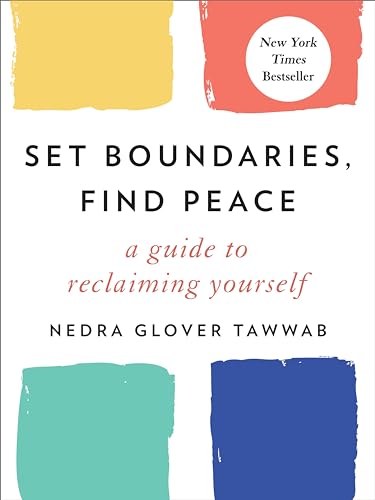
Draws on van der Kolk's The Body Keeps the Score on how trauma distorts boundary-setting capacity, arguing that somatic cues are reliable boundary signals
References van der Kolk's The Body Keeps the Score on trauma held somatically, applied to her patients' physical symptoms and dissociation

Cited in
Maybe You Should Talk to Someone: A Therapist, HER Therapist, and Our Lives Revealedby Lori Gottlieb
Cites van der Kolk's The Body Keeps the Score on interoception, arguing emotional granularity begins with body awareness not abstract labeling
How ideas flow through the citation network. Ancestors are books this title builds on; descendants are books that build on it.
Directly cites
2 steps back
Books from completely different categories that share citation overlap with this one. These are the reads you would not find by browsing a single shelf.

Dare to Lead
Brene Brown

Tools of Titans
Tim Ferriss

The Subtle Art of Not Giving a F*ck
Mark Manson

Primal Leadership
Daniel Goleman

A Guide to the Good Life
William Irvine

How to Think Like a Roman Emperor
Donald Robertson
Books with the highest citation overlap within the same categories.

Emotional Intelligence
Daniel Goleman
6 shared citations
Dare to Lead
Brene Brown
4 shared citations
Mindset
Carol Dweck
4 shared citations
Never Split the Difference
Chris Voss
2 shared citations
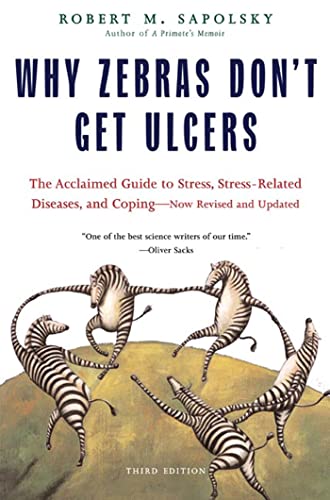
Why Zebras Don't Get Ulcers: The Acclaimed Guide to Stress, Stress-Related Diseases, and Coping
Robert Sapolsky
2 shared citations
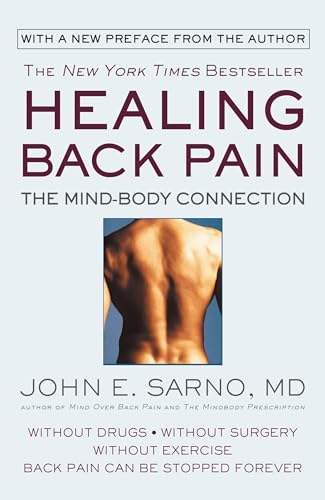
Healing Back Pain: The Mind-Body Connection
John Sarno
2 shared citationsThis book and its direct connections. Hover a node to see its title, click to visit.
Hover a node to highlight its connections. Click to open the book page. Node size reflects total citation links.