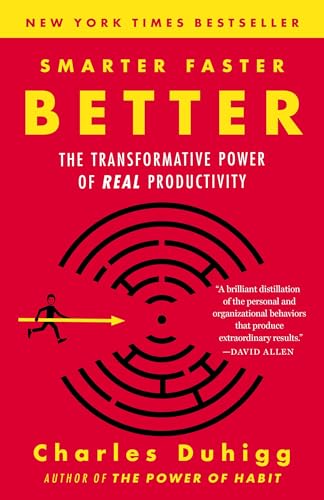
The Power of Habit

The Power of Habit

by Charles Duhigg

star4.5

Duhigg reveals the neurological loop behind every habit: cue, routine, reward. Understanding this cycle gives you the power to reshape behaviours at individual and organisational level.

Published:
Pages:
400
Buy on Amazon

In the Conversation

In this collection, The Power of Habit references 5 other books and is cited by 14 other books.

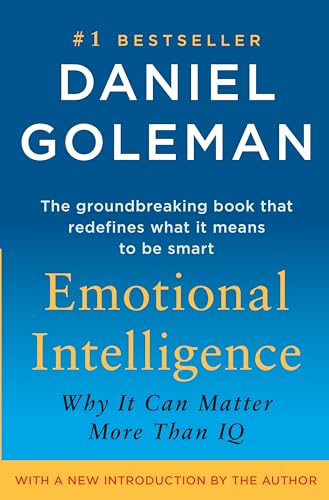
It draws on Thinking, Fast and Slow, Influence and Emotional Intelligence.

It’s picked up by Hooked, Grit and Indistractable and 11 others.

Scroll down to read the exact passages where other authors reference this book and what they say about it.

What People Say

The Power of Habit is one of the most frequently cited books in the productivity and behavioural science space, with authors across disciplines building on Duhigg's cue-routine-reward loop as a foundational framework. James Clear explicitly extends the habit loop in Atomic Habits by adding a fourth step (craving), while Nir Eyal reverse-engineers it in Hooked to show how products deliberately create habitual behavior.

Leaders like Simon Sinek and Angela Duckworth draw on Duhigg's concept of keystone habits to explain how small behavioural changes cascade into larger transformations. Readers consistently praise the book for making neuroscience accessible and actionable, though some note that later authors like BJ Fogg have refined and challenged parts of the model.

What The Power of Habit Draws On

5

The books Duhigg references and why each one mattered to the argument.

Duhigg references Cialdini on social habits and peer pressure.

Influence

References

Influence

by Robert Cialdini

Buy

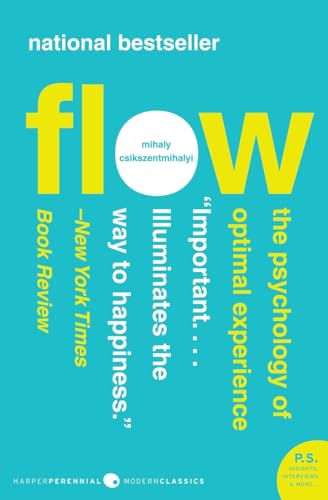
Duhigg references flow on habitual routines producing engagement.

Flow

References

Flow

by Mihaly Csikszentmihalyi

Buy

Duhigg connects to Dweck's growth mindset on changing habits.

Mindset

References

Mindset

by Carol Dweck

Buy

What Other Authors Say About It

14

The exact passages where other authors bring up “The Power of Habit” and what they take from it.

Eyal's Hook Model is built on Duhigg's habit loop research. Where Duhigg explains how habits form naturally, Eyal reverse-engineers the process to show how products can deliberately create habitual behaviour.

Hooked

Cited in

Hooked

by Nir Eyal

Buy

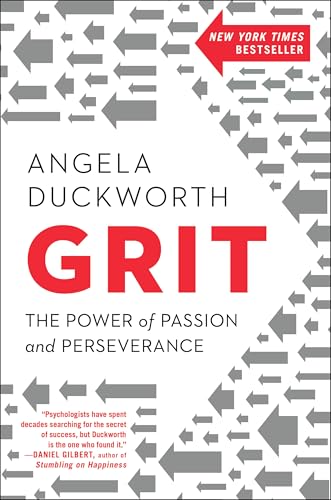
Duckworth explores how deliberate practice and persistent habits shape expertise. She draws on Duhigg's research into keystone habits to show how small behavioural changes cascade into transformative outcomes.

Grit

Cited in

Grit

by Angela Duckworth

Buy

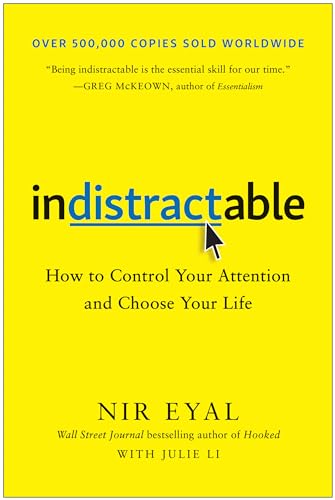
Cites Duhigg's habit loop model and reframes distraction as an impulse managed through habit design

Indistractable

Cited in

Indistractable

by Nir Eyal

Buy

Keller cites Duhigg on keystone habits creating domino effect.

The One Thing

Cited in

The One Thing

by Gary Keller

Buy

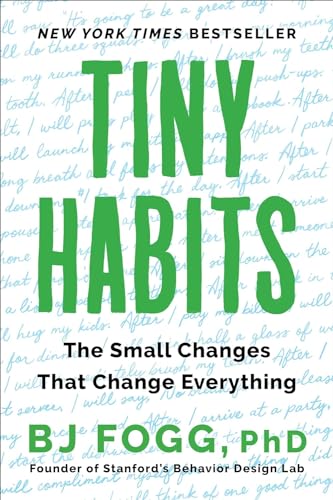
Fogg differentiates Tiny Habits from Duhigg's habit loop.

Tiny Habits

Cited in

Tiny Habits

by BJ Fogg

Buy

Intellectual Lineage

How ideas flow through the citation network. Ancestors are books this title builds on; descendants are books that build on it.

Unexpected Connections

Books from completely different categories that share citation overlap with this one. These are the reads you would not find by browsing a single shelf.

If you liked this, try

Books with the highest citation overlap within the same categories.

Citation Network

This book and its direct connections. Hover a node to see its title, click to visit.

Books this book cites
Books that cite this book
Larger dot = more connections
Thinking, Fast and SlowFlowInfluenceEmotional IntelligenceMindset

Hover a node to highlight its connections. Click to open the book page. Node size reflects total citation links.