Flow
by Mihaly Csikszentmihalyi
Csikszentmihalyi identifies the state of total absorption where time vanishes and performance peaks. Flow is not random, it arises from clear goals, immediate feedback, and matched challenge.
- Published:
- Pages:
- 336

by Mihaly Csikszentmihalyi
Csikszentmihalyi identifies the state of total absorption where time vanishes and performance peaks. Flow is not random, it arises from clear goals, immediate feedback, and matched challenge.
In this collection, Flow references 6 other books and is cited by 68 other books.
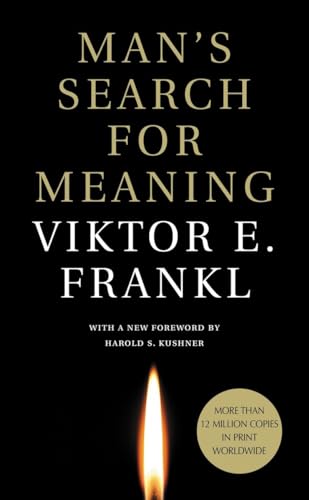
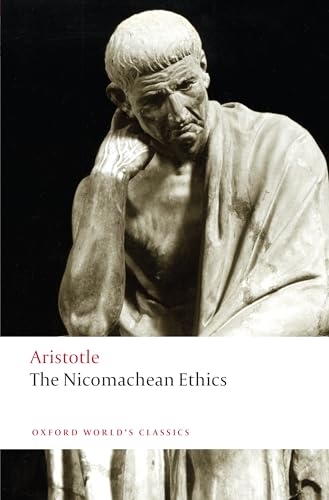
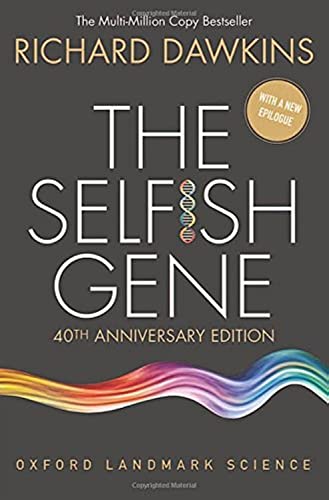
It draws on Man's Search for Meaning, Nicomachean Ethics and The Selfish Gene.
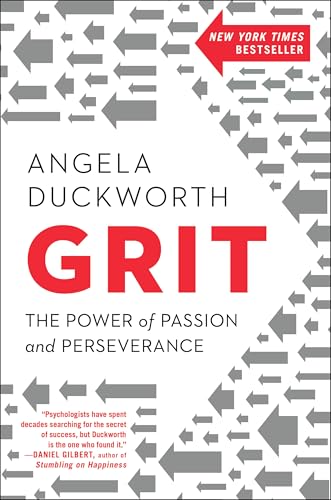
It’s picked up by Deep Work, Grit and Drive and 65 others.
Scroll down to read the exact passages where other authors reference this book and what they say about it.
Csikszentmihalyi's research on optimal experience has become a foundational reference across productivity, psychology, and performance literature. Cal Newport draws on it to argue that deep work is not just productive but deeply satisfying, while Steven Kotler built his entire Rise of Superman framework on extending flow research to extreme sports and peak performance.
Angela Duckworth offers a notable counterpoint, distinguishing between the effortlessness of flow and the discomfort of deliberate practice required for real growth. The book is praised for giving language to a universal human experience - that state of total absorption where time vanishes - though some readers find the academic tone and repetitive case studies slow going compared to more recent popularizations of the concept.
The books Csikszentmihalyi references and why each one mattered to the argument.
Csikszentmihalyi draws on Viktor Frankl for his argument that meaning — not pleasure — is the foundation of a life worth living. Frankl's account of finding purpose under the most extreme conditions informs Flow's thesis that optimal experience comes from aligning attention with self-chosen goals.
Aristotle's Nicomachean Ethics is listed in Flow's references and underpins the book's central argument about happiness. Csikszentmihalyi explicitly revives Aristotle's framing of happiness as eudaimonia — the activity of the soul in accordance with excellence — rather than as pleasure or contentment.
Dawkins's The Selfish Gene is listed in the References. Csikszentmihalyi uses Dawkins's gene-centric view to argue that humans need ways to override genetic programming through conscious control of attention — what he calls the foundation of the self.
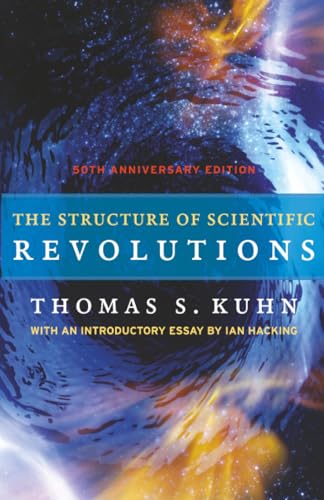
Kuhn's The Structure of Scientific Revolutions appears in the References. Csikszentmihalyi uses Kuhn's framework on paradigms and anomalies as a model for how individuals can restructure their own consciousness when existing patterns of attention no longer serve them.
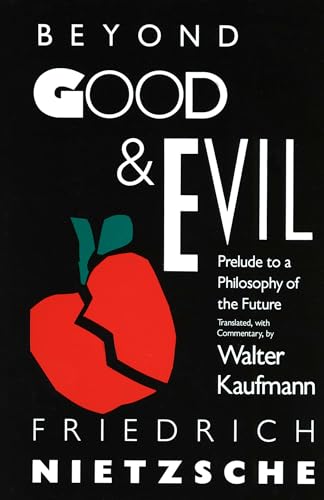
Nietzsche's Beyond Good and Evil is listed in Flow's references. Csikszentmihalyi draws on Nietzsche's will-to-power framing to argue that autotelic individuals actively shape experience rather than passively receive it.
Montaigne's Complete Essays (Donald Frame translation) is listed in Flow's References. Csikszentmihalyi treats Montaigne as an early model of someone using writing as a tool for ordering consciousness and cultivating the self.
The exact passages where other authors bring up “Flow” and what they take from it.
Newport cites Csikszentmihalyi's Flow research to argue that deep work is not just productive but deeply satisfying. The state of flow that comes from concentrated effort is a key source of meaning in professional life.
Duckworth draws a careful distinction between deliberate practice and flow. She argues that while Csikszentmihalyi's flow feels effortless, the gritty work of improvement is often uncomfortable and requires pushing beyond your current abilities.
Pink draws heavily on Csikszentmihalyi's flow research to define his concept of "mastery" as one of the three pillars of intrinsic motivation, alongside autonomy and purpose.
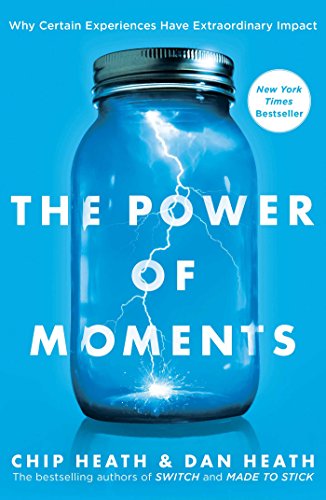
Cites Csikszentmihalyi's flow states when discussing moments of elevation and deep engagement
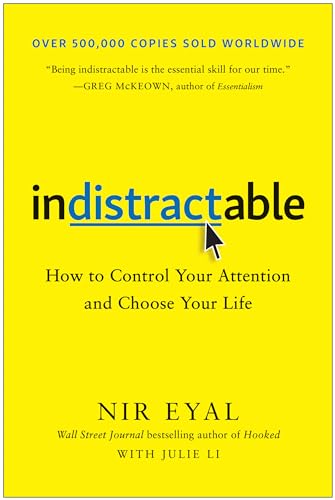
Eyal references Csikszentmihalyi's flow research when explaining how traction differs from distraction
Cites Csikszentmihalyi's flow research when discussing optimal states for deep cognitive work
How ideas flow through the citation network. Ancestors are books this title builds on; descendants are books that build on it.
Directly cites
Books from completely different categories that share citation overlap with this one. These are the reads you would not find by browsing a single shelf.

The 7 Habits of Highly Effective People
Stephen Covey

The Tao Te Ching
Lao Tzu

The Design of Everyday Things
Don Norman

Why Zebras Don't Get Ulcers: The Acclaimed Guide to Stress, Stress-Related Diseases, and Coping
Robert Sapolsky

Meditations
Marcus Aurelius

The War of Art
Steven Pressfield
Books with the highest citation overlap within the same categories.

Mindset
Carol Dweck
17 shared citations
Emotional Intelligence
Daniel Goleman
16 shared citations
Thinking, Fast and Slow
Daniel Kahneman
14 shared citations
Man's Search for Meaning
Viktor Frankl
9 shared citations
Drive
Daniel Pink
6 shared citations
The 7 Habits of Highly Effective People
Stephen Covey
5 shared citationsThis book and its direct connections. Hover a node to see its title, click to visit.
Hover a node to highlight its connections. Click to open the book page. Node size reflects total citation links.