Mindset

Mindset

by Carol Dweck

star4.5

Dweck argues that believing talent is fixed leads to stagnation, while a growth mindset, the belief that abilities develop through effort, unlocks potential. How you frame challenge determines whether you learn or quit.

Published:
Pages:
320
Buy on Amazon

In the Conversation

In this collection, Mindset references 5 other books and is cited by 40 other books.

It draws on Good to Great, Built to Last and Emotional Intelligence.

It’s picked up by Atomic Habits, Grit and The Intelligence Trap and 37 others.

Scroll down to read the exact passages where other authors reference this book and what they say about it.

What People Say

Dweck's distinction between fixed and growth mindsets has become one of the most widely referenced frameworks in education, sports psychology, and leadership. Angela Duckworth, her Stanford colleague, treats growth mindset as a precondition for grit - you cannot persevere if you believe talent is fixed - while authors from Satya Nadella to Matthew Syed have applied the concept to organisational transformation and athletic excellence.

The book resonates particularly in parenting circles, where writers like Daniel Siegel use it to show how praising effort over ability reshapes children's relationship with failure. Some critics point to replication difficulties with the original studies and argue the concept can be oversimplified into a feel-good mantra, but the underlying research on how framing challenge determines whether people learn or quit continues to find strong support across disciplines.

What Mindset Draws On

5

The books Dweck references and why each one mattered to the argument.

Collins's Good to Great appears in both the body text and Dweck's Recommended Books section. She draws on Collins's observation that fixed-mindset leaders become the reality people worry about — a warning sign of a company headed for mediocrity.

Good to Great

References

Good to Great

by Jim Collins

Buy

Built to Last (Collins and Porras) is cited in the Leadership chapter for its case studies of companies whose CEOs undermined long-term performance through fixed-mindset behaviour, including Burroughs under Ray Macdonald and the parallel story at Texas Instruments.

Built to Last

References

Built to Last

by Jim Collins

Buy

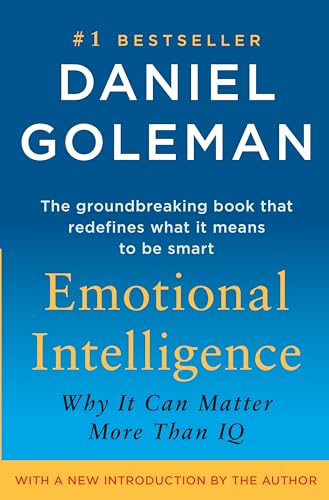
Goleman's Emotional Intelligence appears in Dweck's Recommended Books list. The two books overlap heavily on the role of self-awareness and emotional regulation in how people respond to setbacks and criticism.

Emotional Intelligence

References

Emotional Intelligence

by Daniel Goleman

Buy

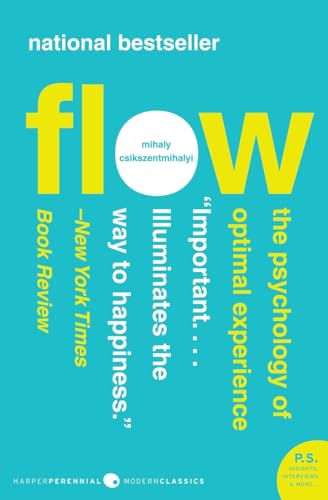
Csikszentmihalyi's Flow is listed in Dweck's Recommended Books. She connects growth mindset to flow through the shared idea that challenge, not comfort, is where meaningful development happens.

Flow

References

Flow

by Mihaly Csikszentmihalyi

Buy

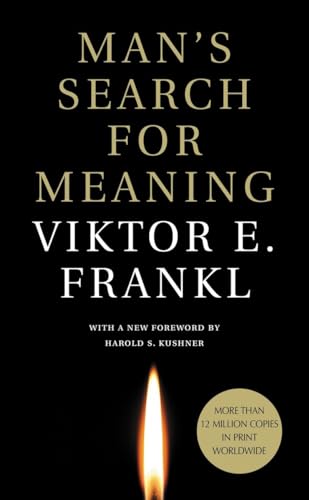
Viktor Frankl is referenced for his framing of meaning-making under adversity. Dweck treats Frankl's wartime account as a foundational example of growth mindset — the choice to find purpose even when external circumstances cannot be controlled.

Man's Search for Meaning

References

Man's Search for Meaning

by Viktor Frankl

Buy

What Other Authors Say About It

40

The exact passages where other authors bring up “Mindset” and what they take from it.

Clear references Dweck's growth mindset research as foundational to identity-based habit change. Believing you can change is the first step to actually changing.

Atomic Habits

Cited in

Atomic Habits

by James Clear

Buy

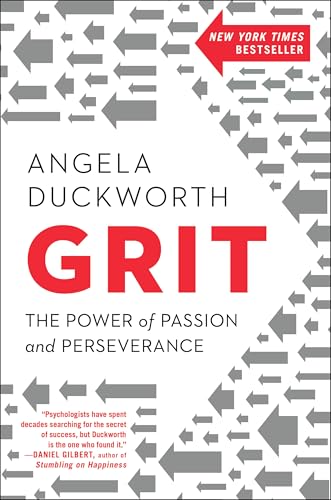
Duckworth and Dweck are Stanford colleagues whose research directly overlaps. Duckworth argues that Dweck's growth mindset is a precondition for grit: you can't persevere if you believe talent is fixed.

Grit

Cited in

Grit

by Angela Duckworth

Buy

References Dweck's Mindset research on how fixed vs growth mindsets affect intellectual humility and learning

The Intelligence Trap

Cited in

The Intelligence Trap

by David Robson

Buy

References Dweck's Mindset research on growth mindset as essential for embracing personal disruption

Disrupt Yourself

Cited in

Disrupt Yourself

by Whitney Johnson

Buy

References Dweck's growth mindset research when discussing how reframing challenges as opportunities improves outcomes

The Happiness Advantage

Cited in

The Happiness Advantage

by Shawn Achor

Buy

Kegan engages with Dweck's Mindset research on fixed vs growth orientations as part of his adult development framework

Immunity to Change

Cited in

Immunity to Change

by Robert Kegan

Buy

Intellectual Lineage

How ideas flow through the citation network. Ancestors are books this title builds on; descendants are books that build on it.

Unexpected Connections

Books from completely different categories that share citation overlap with this one. These are the reads you would not find by browsing a single shelf.

If you liked this, try

Books with the highest citation overlap within the same categories.

Citation Network

This book and its direct connections. Hover a node to see its title, click to visit.

Books this book cites
Books that cite this book
Larger dot = more connections
MindsetFlowEmotional IntelligenceGood to GreatMan's Search for MeaningAtomic Habits

Hover a node to highlight its connections. Click to open the book page. Node size reflects total citation links.