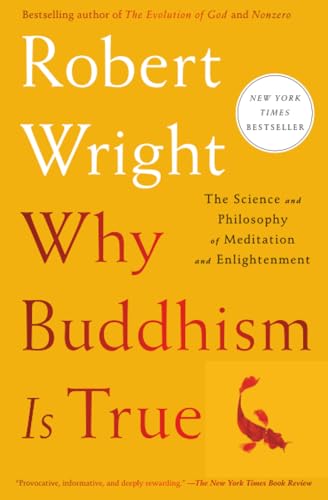
Why Buddhism Is True: The Science and Philosophy of Meditation and Enlightenment

Why Buddhism Is True: The Science and Philosophy of Meditation and Enlightenment

by Robert Wright

star4

Robert Wright makes the case that core Buddhist insights about the nature of suffering, the self, and perception are validated by modern evolutionary psychology and neuroscience. He argues that natural selection designed human minds to be deluded in specific ways, and that meditation offers a path to seeing through these illusions. The book presents a secular, evidence-based Buddhism stripped of supernatural beliefs yet faithful to its deepest philosophical claims.

Published:
Pages:
336
Buy on Amazon

In the Conversation

In this collection, Why Buddhism Is True: The Science and Philosophy of Meditation and Enlightenment references 4 other books.

It draws on The Moral Animal, Waking Up and The Righteous Mind.

Scroll down to read the exact passages where other authors reference this book and what they say about it.

What This Book Draws On

4

The books Wright references and why each one mattered to the argument.

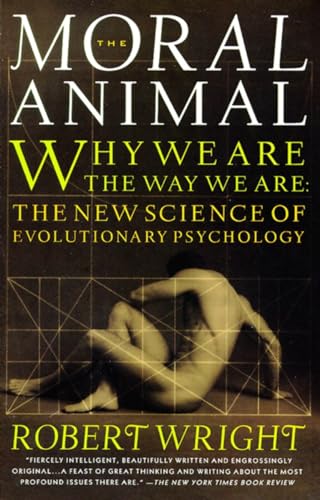
Wright draws extensively on his own earlier work in The Moral Animal, applying evolutionary psychology's framework of innate cognitive biases and emotional modules to explain why Buddhist diagnosis of suffering is scientifically accurate.

The Moral Animal

References

The Moral Animal

by Robert Wright

Buy

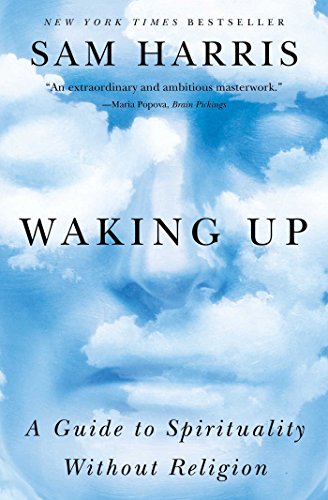
Wright engages directly with Sam Harris's Waking Up, sharing Harris's secular approach to meditation while pushing further into evolutionary explanations for why mindfulness dissolves the illusion of a unified self.

Waking Up

References

Waking Up

by Sam Harris

Buy

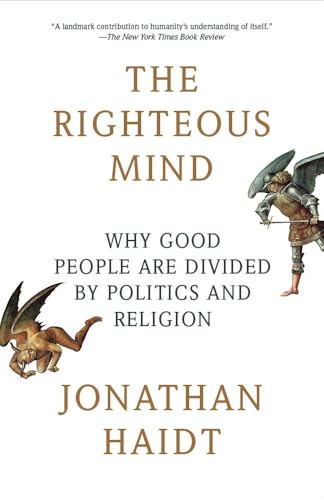
Wright invokes Jonathan Haidt's moral psychology from The Righteous Mind, particularly the rider-and-elephant metaphor, to explain how meditation helps override automatic emotional reactions shaped by natural selection.

The Righteous Mind

References

The Righteous Mind

by Jonathan Haidt

Buy

The book's treatment of cognitive illusions and motivated reasoning connects to Kahneman's System 1 and System 2 framework in Thinking, Fast and Slow, with Wright arguing that meditation is a tool for shifting from automatic to reflective processing.

Thinking, Fast and Slow

References

Thinking, Fast and Slow

by Daniel Kahneman

Buy

What Other Authors Say About It

No books citing this title yet.

Intellectual Lineage

How ideas flow through the citation network. Ancestors are books this title builds on; descendants are books that build on it.

Unexpected Connections

Books from completely different categories that share citation overlap with this one. These are the reads you would not find by browsing a single shelf.

If you liked this, try

Books with the highest citation overlap within the same categories.

Citation Network

This book and its direct connections. Hover a node to see its title, click to visit.

Books this book cites
Books that cite this book
Larger dot = more connections
Thinking, Fast and Slow

Hover a node to highlight its connections. Click to open the book page. Node size reflects total citation links.