Focus
by Daniel Goleman
star3.8
Goleman argues focus is an underrated, atrophying muscle in the modern age. Three kinds, inner, other, and outer, are essential for self-management, empathy, and strategic thinking.
- Published:
- Pages:
- 320
by Daniel Goleman
Goleman argues focus is an underrated, atrophying muscle in the modern age. Three kinds, inner, other, and outer, are essential for self-management, empathy, and strategic thinking.
In this collection, Focus references 3 other books and is cited by 1 other book.
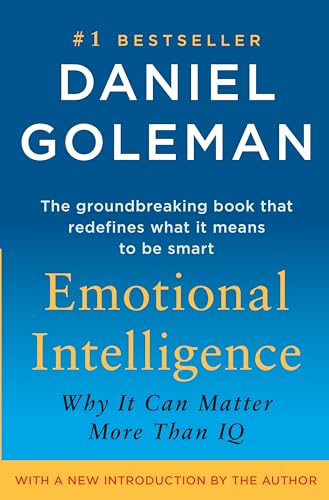
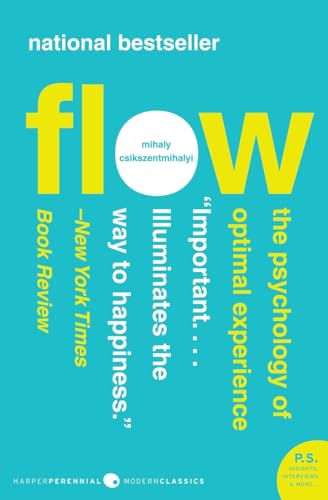
It draws on Emotional Intelligence, Thinking, Fast and Slow and Flow.
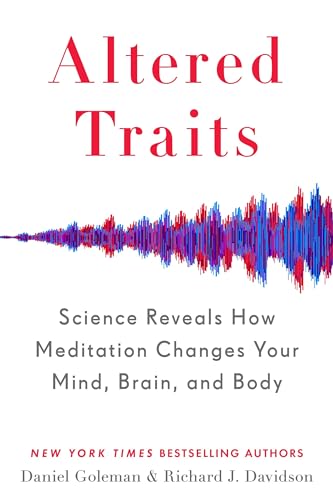
It’s picked up by Altered Traits: Science Reveals How Meditation Changes Your Mind, Brain, and Body.
Scroll down to read the exact passages where other authors reference this book and what they say about it.
The books Goleman references and why each one mattered to the argument.
Goleman extends his Emotional Intelligence work to show how self-awareness and attention regulation drive performance
References Kahneman's System 1/System 2 framework when discussing the neuroscience of attention and cognitive depletion
Cites Csikszentmihalyi's flow research as the optimal state of focused attention
The exact passages where other authors bring up “Focus” and what they take from it.
The book extends the attention-training research Goleman explored in Focus, providing the neuroscientific evidence for how meditation reshapes the brain's attentional circuitry.
Cited in
Altered Traits: Science Reveals How Meditation Changes Your Mind, Brain, and Bodyby Daniel Goleman and Richard J. Davidson
How ideas flow through the citation network. Ancestors are books this title builds on; descendants are books that build on it.
Directly cites
Directly cited by
Books from completely different categories that share citation overlap with this one. These are the reads you would not find by browsing a single shelf.
Books with the highest citation overlap within the same categories.
This book and its direct connections. Hover a node to see its title, click to visit.
Hover a node to highlight its connections. Click to open the book page. Node size reflects total citation links.