The Denial of Death
by Ernest Becker
Becker argues that the terror of death drives much of human behaviour, from heroism to war. Culture, religion, and self-esteem are elaborate defences against the awareness of our mortality.
- Published:
- Pages:
- 336

by Ernest Becker
Becker argues that the terror of death drives much of human behaviour, from heroism to war. Culture, religion, and self-esteem are elaborate defences against the awareness of our mortality.
In this collection, The Denial of Death references 1 other book and is cited by 8 other books.
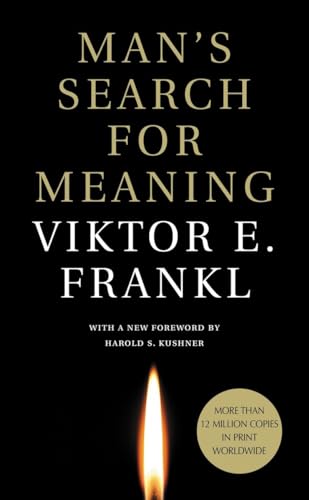
It draws on Man's Search for Meaning.
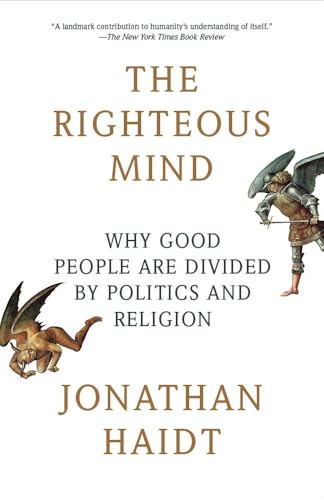
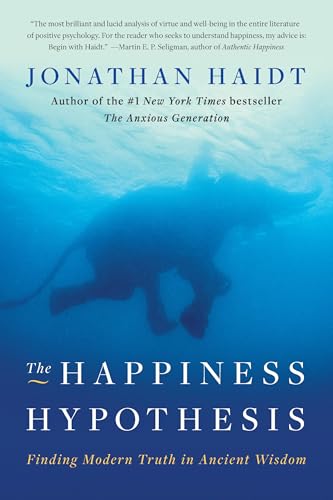
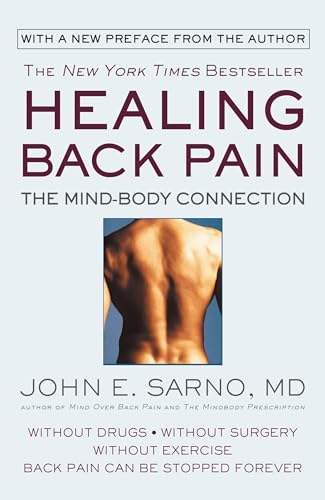
It’s picked up by The Righteous Mind, The Happiness Hypothesis and Healing Back Pain: The Mind-Body Connection and 5 others.
Scroll down to read the exact passages where other authors reference this book and what they say about it.
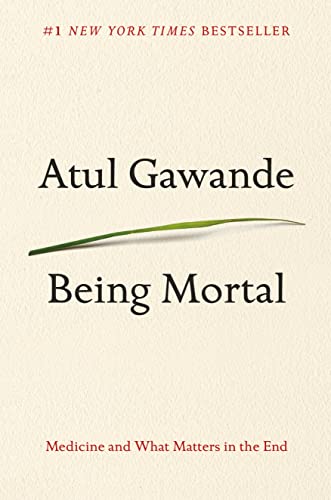
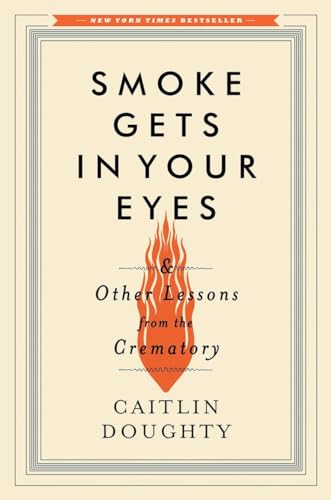
The Denial of Death is a quietly influential book that surfaces across an unexpected range of fields, from psychology to medicine to memoir. Jonathan Haidt references Becker's terror management theory in both The Righteous Mind and The Happiness Hypothesis, and Atul Gawande draws on it in Being Mortal to frame how Western medicine institutionalizes our avoidance of mortality. Caitlin Doughty has publicly credited it as the book that gave her the philosophical framework for her crematory work in Smoke Gets in Your Eyes, and Joan Didion's Year of Magical Thinking echoes Becker's thesis that the mind constructs elaborate defenses against death awareness.
David Brooks cites it in The Second Mountain to explain why achievement-driven lives cannot survive contact with mortality. Readers find its central argument -- that the terror of death drives much of human culture, heroism, and self-deception -- both unsettling and illuminating, though some find Becker's dense, psychoanalytic prose challenging. It is the kind of book that changes how you interpret virtually everything else you read.

The books Becker references and why each one mattered to the argument.
Becker's death anxiety connects to Frankl's search for meaning.
The exact passages where other authors bring up “The Denial of Death” and what they take from it.
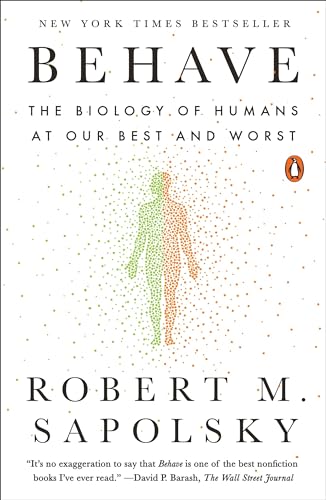
Haidt references Becker's terror management theory.
Sarno draws on Becker's death-denial framework to explain why patients unconsciously generate pain to distract from intolerable psychological material
Draws on Ernest Becker's The Denial of Death to frame how Western medicine institutionalizes our avoidance of mortality, replacing acceptance with heroic intervention
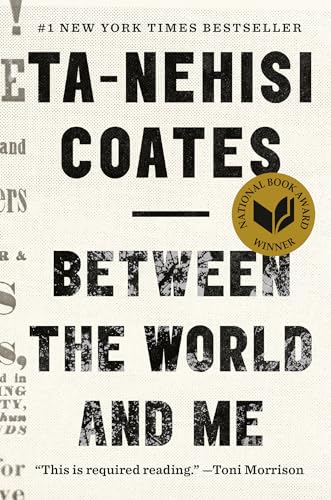
Echoes Becker's Denial of Death in its insistence on the body as the ultimate site of vulnerability and the Dream as denial of mortality through racial hierarchy
Doughty has publicly credited Becker's Denial of Death as the book that gave her the philosophical framework for her work, and its terror-management argument anchors her critique of death-avoidance
How ideas flow through the citation network. Ancestors are books this title builds on; descendants are books that build on it.
Directly cites
Directly cited by
Books from completely different categories that share citation overlap with this one. These are the reads you would not find by browsing a single shelf.

The 7 Habits of Highly Effective People
Stephen Covey

Tools of Titans
Tim Ferriss

The Subtle Art of Not Giving a F*ck
Mark Manson

Dare to Lead
Brene Brown

The Emperor of All Maladies
Siddhartha Mukherjee

Triggers
Marshall Goldsmith
Books with the highest citation overlap within the same categories.

Man's Search for Meaning
Viktor Frankl
6 shared citations
The 7 Habits of Highly Effective People
Stephen Covey
2 shared citations
The Social Animal
David Brooks
2 shared citations
Flow
Mihaly Csikszentmihalyi
2 shared citations
Tools of Titans
Tim Ferriss
1 shared citation
The Subtle Art of Not Giving a F*ck
Mark Manson
1 shared citationThis book and its direct connections. Hover a node to see its title, click to visit.
Hover a node to highlight its connections. Click to open the book page. Node size reflects total citation links.