Thinking, Fast and Slow

Thinking, Fast and Slow

by Daniel Kahneman

star4.2

Kahneman reveals that our minds run on two systems: fast intuition and slow deliberation. Most errors in judgement come from trusting System 1 when the situation demands System 2's careful analysis.

Published:
Pages:
499
Buy on Amazon

In the Conversation

In this collection, Thinking, Fast and Slow references 9 other books and is cited by 101 other books.

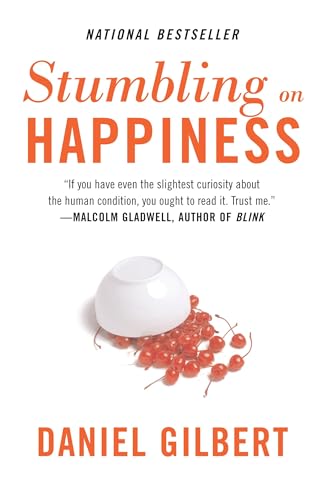
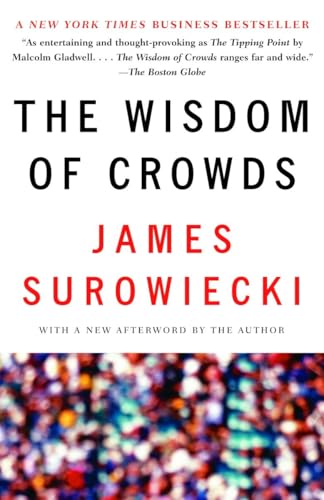
It draws on The Black Swan, Stumbling on Happiness and The Wisdom of Crowds.

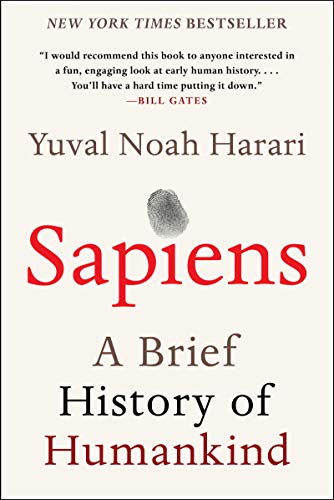
It’s picked up by Sapiens, Never Split the Difference and Homo Deus and 98 others.

Scroll down to read the exact passages where other authors reference this book and what they say about it.

What People Say

Widely regarded as one of the most influential psychology books of the 21st century, Kahneman's exploration of cognitive biases appears in the bibliographies of nearly every behavioural science book published since. Authors from James Clear to Robert Cialdini to Richard Thaler cite his System 1/System 2 framework as foundational to their own work, while Philip Tetlock's Superforecasting was called 'the most important book on decision making since Thinking, Fast and Slow.' The book's reach extends well beyond psychology - it is referenced in works on AI safety, negotiation, UX design, economics, and storytelling.

Critics note the book can be dense in its middle chapters, but most readers find the insights - particularly on loss aversion, anchoring, and overconfidence - immediately applicable to everyday decisions. It is the rare academic work that crossed over to become essential reading in business, design, and policy.

What This Book Draws On

9

The books Kahneman references and why each one mattered to the argument.

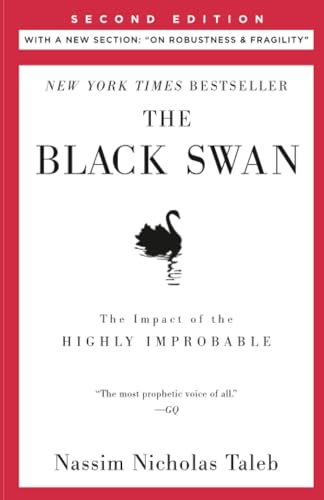
Kahneman explicitly credits Nassim Taleb's The Black Swan for shaping his views on overconfidence and the role of luck: "My views on this topic have been influenced by Nassim Taleb, the author of The Black Swan." He retells Taleb's Saddam capture story to illustrate how the brain manufactures causal narratives.

Part 3 (Overconfidence)

The Black Swan

References

The Black Swan

by Nassim Nicholas Taleb

Buy

Kahneman cites Daniel Gilbert (author of Stumbling on Happiness) extensively for the System 2-as-doubter framework. He references Gilbert's essay "How Mental Systems Believe" and the experiment showing that disrupted System 2 makes people unable to "unbelieve" false sentences.

Part 1 (System 1 vs System 2)

Stumbling on Happiness

References

Stumbling on Happiness

by Daniel Gilbert

Buy

Kahneman cites James Surowiecki's The Wisdom of Crowds when discussing his "decorrelate error" principle. He uses Surowiecki's pennies-in-a-jar example to show how independent judgements average out errors, but only when observers don't influence each other.

Part 1 (Halo Effect)

The Wisdom of Crowds

References

The Wisdom of Crowds

by James Surowiecki

Buy

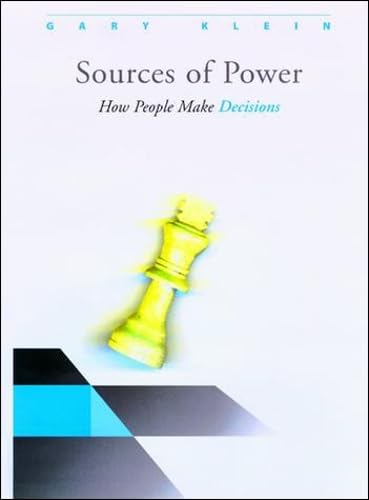
Kahneman engages extensively with Gary Klein's Sources of Power on intuitive expertise. The two famously co-authored "Conditions for Intuitive Expertise: A Failure to Disagree" — Kahneman's view of when expert intuition can be trusted is shaped by years of debate with Klein.

Part 3 (Expert Intuition)

Sources of Power

References

Sources of Power

by Gary Klein

Buy

Kahneman cites Dan Ariely's Predictably Irrational as a key precursor and complement to his own work on systematic deviations from rational choice. Ariely's experiments on anchoring and the power of "free" appear throughout the prospect theory chapters.

Part 4 (Choices)

Predictably Irrational

References

Predictably Irrational

by Dan Ariely

Buy

Kahneman cites Thaler and Sunstein's Nudge as the policy application of the heuristics and biases programme. Thaler's work on framing effects, mental accounting, and the endowment effect runs through the entire fourth part of the book.

Part 4 (Choices)

Nudge

References

Nudge

by Richard Thaler

Buy

What Other Authors Say About It

101

The exact passages where other authors bring up “Thinking, Fast and Slow” and what they take from it.

Harari draws on Kahneman's cognitive bias research to argue that human decision-making is fundamentally irrational, undermining the Enlightenment assumption of the rational individual.

Sapiens

Cited in

Sapiens

by Yuval Noah Harari

Buy

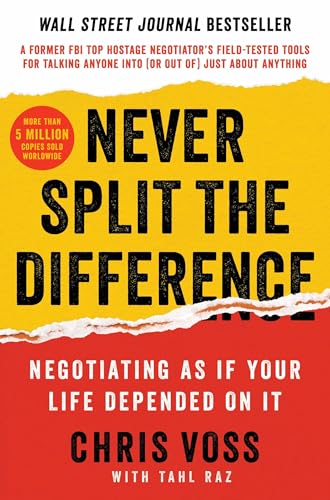
Voss explains that his FBI negotiation techniques exploit the cognitive biases Kahneman identified. Understanding System 1 thinking helps negotiators use tactical empathy to influence decisions.

Never Split the Difference

Cited in

Never Split the Difference

by Chris Voss

Buy

Harari references Kahneman's split-brain research to argue that humans are not the rational decision-makers we believe ourselves to be, undermining the foundations of liberal individualism.

Homo Deus

Cited in

Homo Deus

by Yuval Noah Harari

Buy

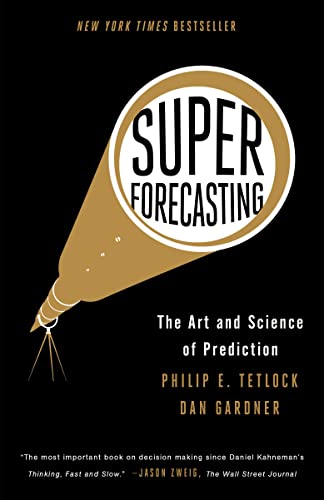
Tetlock builds directly on Kahneman's cognitive bias research, testing whether some people can actually overcome the biases Kahneman identified. The Wall Street Journal called it "the most important book on decision making since Thinking, Fast and Slow."

Superforecasting

Cited in

Superforecasting

by Philip Tetlock

Buy

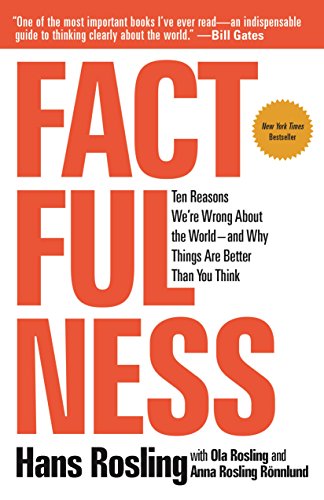
Rosling draws on Kahneman's research to explain why we systematically misunderstand global trends. The cognitive biases Kahneman identified explain why even educated people believe the world is worse than it actually is.

Factfulness

Cited in

Factfulness

by Hans Rosling

Buy

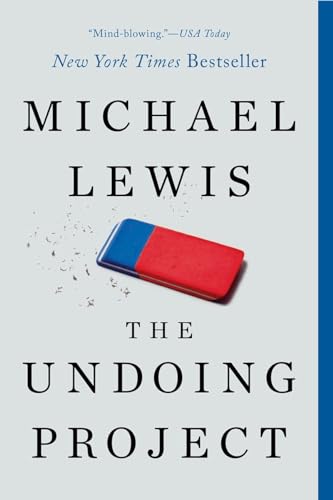
The Undoing Project tells the story of the Kahneman-Tversky partnership that produced the research behind Thinking, Fast and Slow. Lewis provides the human narrative behind the scientific breakthroughs.

The Undoing Project

Cited in

The Undoing Project

by Michael Lewis

Buy

Intellectual Lineage

How ideas flow through the citation network. Ancestors are books this title builds on; descendants are books that build on it.

Unexpected Connections

Books from completely different categories that share citation overlap with this one. These are the reads you would not find by browsing a single shelf.

If you liked this, try

Books with the highest citation overlap within the same categories.

Citation Network

This book and its direct connections. Hover a node to see its title, click to visit.

Books this book cites
Books that cite this book
Larger dot = more connections
Thinking, Fast and SlowFlowInfluence

Hover a node to highlight its connections. Click to open the book page. Node size reflects total citation links.