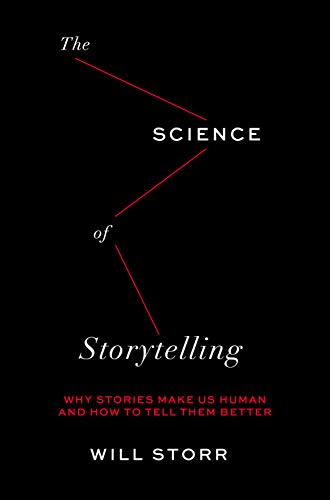
The Science of Storytelling: Why Stories Make Us Human, and How to Tell Them Better

The Science of Storytelling: Why Stories Make Us Human, and How to Tell Them Better

by Will Storr

star4.5

Storr synthesizes psychology, neuroscience, and evolutionary theory to argue that stories are the brain's method for modelling flawed selves under pressure, with character - not plot - as the engine. He shows how unexpected change, moral tribes, and the 'sacred flaw' drive narrative grip.

Published:
Pages:
304
Buy on Amazon

In the Conversation

In this collection, The Science of Storytelling: Why Stories Make Us Human, and How to Tell Them Better references 5 other books.

It draws on The Righteous Mind, Thinking, Fast and Slow and The Blank Slate.

Scroll down to read the exact passages where other authors reference this book and what they say about it.

What This Book Draws On

5

The books Storr references and why each one mattered to the argument.

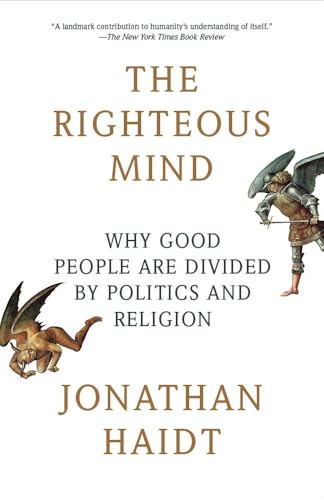
Storr builds on Haidt's moral-foundations research from The Righteous Mind to explain how stories stage conflicts between tribal moralities and why readers demand heroes who embody their in-group's sacred values

The Righteous Mind

References

The Righteous Mind

by Jonathan Haidt

Buy

Storr uses Kahneman's System 1/System 2 and the brain's prediction-machine model to show how stories weaponize expectation violation - peripeteia - to deepen engagement

Thinking, Fast and Slow

References

Thinking, Fast and Slow

by Daniel Kahneman

Buy

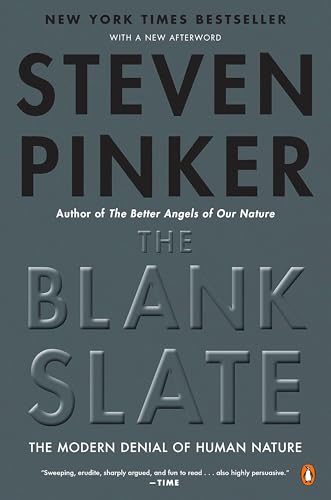
Storr draws on Pinker's Blank Slate argument that human nature is a fixed evolved architecture, using it to explain why narrative archetypes recur across cultures

The Blank Slate

References

The Blank Slate

by Steven Pinker

Buy

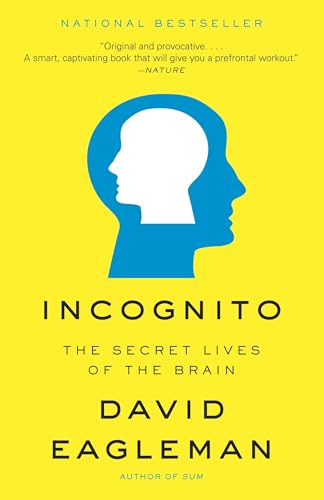
Storr cites Eagleman's Incognito on the confabulating brain to argue that characters - and readers - construct coherent narratives about selves that are actually fractured

Incognito

References

Incognito

by David Eagleman

Buy

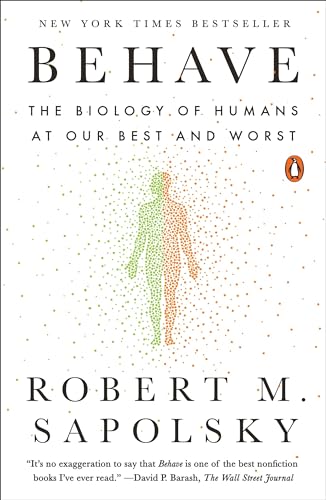
Storr leans on Sapolsky's Behave-style integration of neurobiology and behavior to show how status, tribe, and hormones shape the conflicts that make stories feel true

Behave

References

Behave

by Robert Sapolsky

Buy

What Other Authors Say About It

No books citing this title yet.

Intellectual Lineage

How ideas flow through the citation network. Ancestors are books this title builds on; descendants are books that build on it.

Unexpected Connections

Books from completely different categories that share citation overlap with this one. These are the reads you would not find by browsing a single shelf.

If you liked this, try

Books with the highest citation overlap within the same categories.

Citation Network

This book and its direct connections. Hover a node to see its title, click to visit.

Books this book cites
Books that cite this book
Larger dot = more connections
Thinking, Fast and Slow

Hover a node to highlight its connections. Click to open the book page. Node size reflects total citation links.