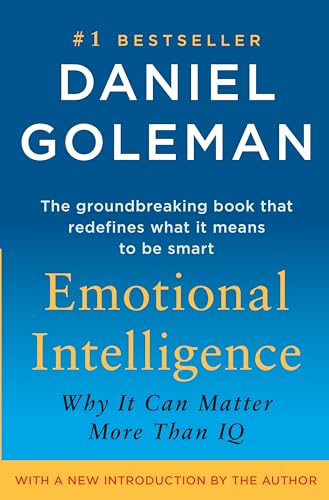
Emotional Intelligence
by Daniel Goleman
star4
Goleman argues that EQ matters more than IQ for success. Self-awareness, empathy, and emotional regulation are skills that can be developed and that predict real-world outcomes.
- Published:
- Pages:
- 384
by Daniel Goleman
Goleman argues that EQ matters more than IQ for success. Self-awareness, empathy, and emotional regulation are skills that can be developed and that predict real-world outcomes.
In this collection, Emotional Intelligence references 5 other books and is cited by 47 other books.
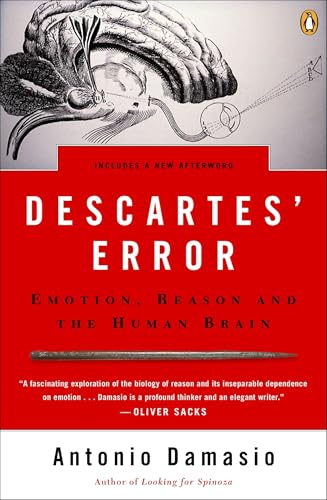
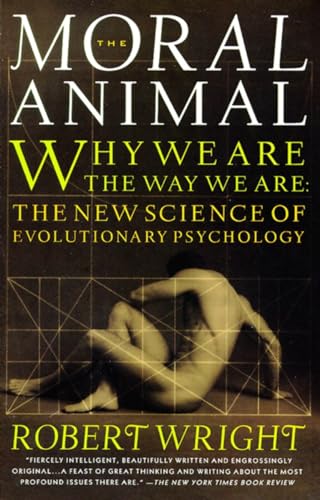
It draws on Flow, Descartes' Error and Man's Search for Meaning.
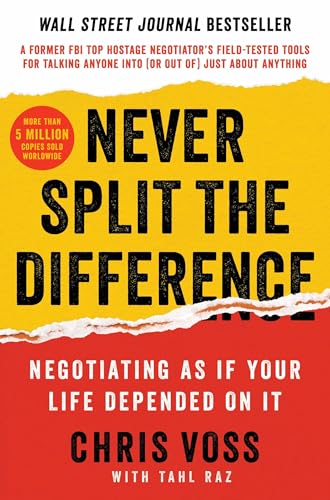
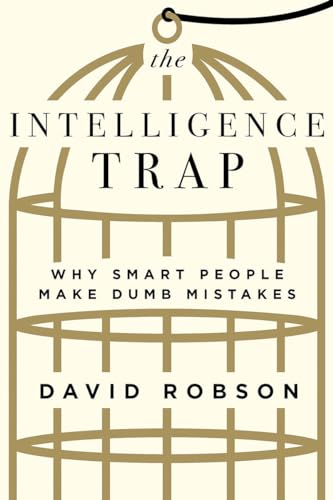
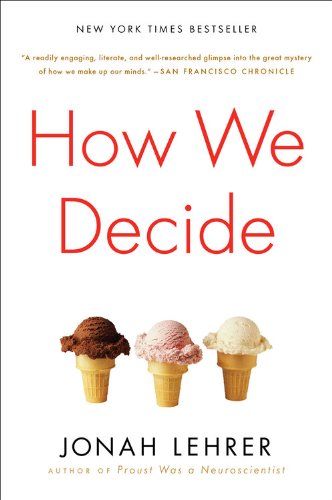
It’s picked up by Never Split the Difference, The Intelligence Trap and How We Decide and 44 others.
Scroll down to read the exact passages where other authors reference this book and what they say about it.
Goleman's argument that EQ matters more than IQ popularized a concept that has since permeated leadership training, education, and parenting literature worldwide. Daniel Siegel and Tina Payne Bryson translate his framework into brain-based strategies for children in The Whole-Brain Child, while Tara Brach draws on his research to show how mindful awareness breaks habitual patterns of self-judgement.
The book is widely cited in parenting and relationship contexts - Amir Levine extends its co-regulation research to romantic attachment, and Don Norman applies it to product design in Emotional Design. Critics note that some of Goleman's early claims about EQ's predictive power have been challenged by subsequent research, but the core insight - that self-awareness, empathy, and emotional regulation are learnable skills with real-world impact - remains broadly accepted and deeply influential.
The books Goleman references and why each one mattered to the argument.
Goleman builds an entire chapter around Csikszentmihalyi's flow research, using it as the model for what happens when emotions are mastered. Flow is his central example of emotional self-regulation producing peak performance.
Goleman draws on Antonio Damasio's somatic marker hypothesis from Descartes' Error to argue that emotion is not opposed to reason but essential to it. Damasio's patient studies underpin Goleman's case that pure rationality fails in the absence of feeling.
Goleman references Viktor Frankl's account of finding meaning in extreme adversity as evidence that emotional resilience is a learnable skill rather than an innate trait. Frankl appears in the chapters on hope and optimism.
Goleman draws on Robert Wright's evolutionary psychology to explain why human emotions exist in the first place — as adaptive responses shaped by selection pressures, not bugs in a rational system.
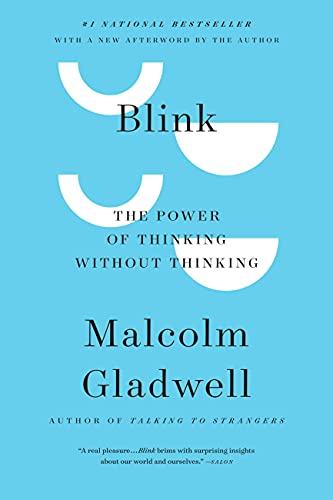
The rapid amygdala pathway that Goleman centres the book around is the same neural shortcut Malcolm Gladwell later popularised in Blink. Both authors draw on the same LeDoux research on pre-conscious emotional processing.
The exact passages where other authors bring up “Emotional Intelligence” and what they take from it.
Voss references Goleman's emotional intelligence research to explain why reading the other party's emotions is more important than logical arguments in high-stakes negotiations.
Cites Goleman's Emotional Intelligence research on why IQ alone does not predict wise decision-making
Cites Goleman's Emotional Intelligence work on how emotions are essential, not obstacles, to good decisions
Goleman directly extends his Emotional Intelligence framework to leadership, applying it to organisational contexts
Goleman directly extends his Emotional Intelligence research to professional and organisational settings
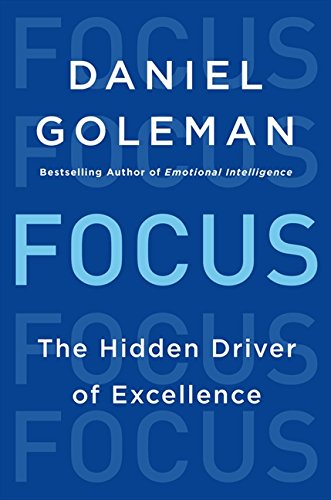
Goleman extends his Emotional Intelligence work to show how self-awareness and attention regulation drive performance
How ideas flow through the citation network. Ancestors are books this title builds on; descendants are books that build on it.
Directly cited by
Books from completely different categories that share citation overlap with this one. These are the reads you would not find by browsing a single shelf.
Why Zebras Don't Get Ulcers: The Acclaimed Guide to Stress, Stress-Related Diseases, and Coping
Robert Sapolsky
The Design of Everyday Things
Don Norman

Good to Great
Jim Collins
The Fifth Discipline
Peter Senge
On Writing: A Memoir of the Craft
Stephen King
Bird by Bird: Some Instructions on Writing and Life
Anne Lamott
Books with the highest citation overlap within the same categories.
Flow
Mihaly Csikszentmihalyi
16 shared citations
Thinking, Fast and Slow
Daniel Kahneman
11 shared citations
Mindset
Carol Dweck
10 shared citations
Man's Search for Meaning
Viktor Frankl
9 shared citations
The 7 Habits of Highly Effective People
Stephen Covey
8 shared citations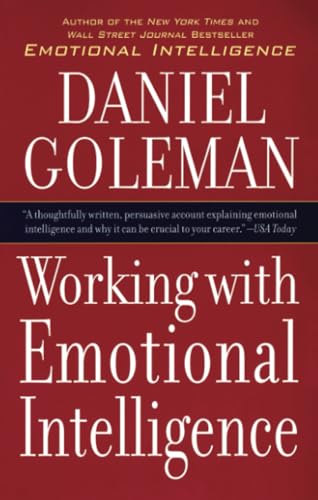
Working with Emotional Intelligence
Daniel Goleman
7 shared citationsThis book and its direct connections. Hover a node to see its title, click to visit.
Hover a node to highlight its connections. Click to open the book page. Node size reflects total citation links.