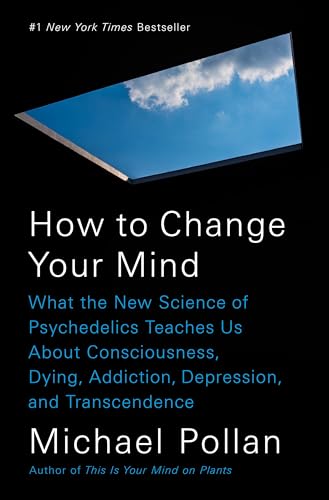
How to Change Your Mind

How to Change Your Mind

by Michael Pollan

star4.6

Pollan chronicles the scientific rediscovery of psychedelics like psilocybin and LSD, weaving first-person trip reports with accounts of Johns Hopkins and NYU clinical trials in depression, addiction, and end-of-life distress. He argues that psychedelics loosen rigid cognitive patterns in the default-mode network, offering a materialist framework for why mystical experiences reliably produce lasting psychological benefits.

Published:
Pages:
480
Buy on Amazon

In the Conversation

In this collection, How to Change Your Mind references 3 other books and is cited by 1 other book.

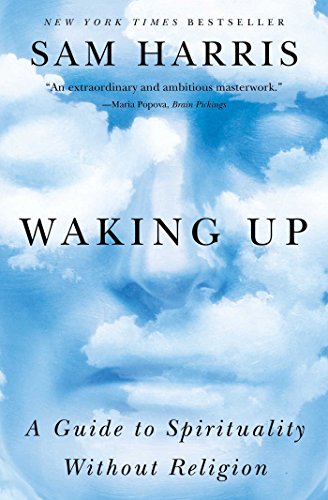
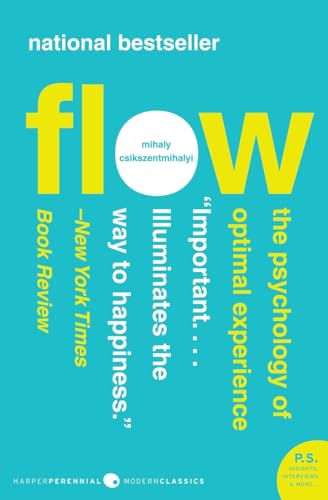
It draws on Why We Sleep, Waking Up and Flow.

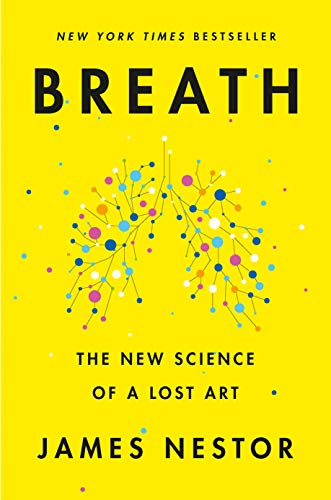
It’s picked up by Breath: The New Science of a Lost Art.

Scroll down to read the exact passages where other authors reference this book and what they say about it.

What This Book Draws On

3

The books Pollan references and why each one mattered to the argument.

Pollan cites Walker's Why We Sleep research on REM dreaming when discussing how psychedelics and dream states share mechanisms of loosening the default-mode network's grip on cognition.

Why We Sleep

References

Why We Sleep

by Matthew Walker

Buy

Pollan engages Sam Harris's Waking Up on the phenomenology of non-dual consciousness, using Harris's secular mysticism framework to describe the ego-dissolution reported in psilocybin sessions.

Waking Up

References

Waking Up

by Sam Harris

Buy

Pollan draws on Csikszentmihalyi's Flow to describe the absorbed, timeless quality of the psychedelic mystical experience and its overlap with peak states.

Flow

References

Flow

by Mihaly Csikszentmihalyi

Buy

What Other Authors Say About It

1

The exact passages where other authors bring up “How to Change Your Mind” and what they take from it.

Nestor cites Pollan's account of holotropic breathwork and altered states to show how breath manipulation can access the same default-mode-network changes as psychedelics

Intellectual Lineage

How ideas flow through the citation network. Ancestors are books this title builds on; descendants are books that build on it.

Unexpected Connections

Books from completely different categories that share citation overlap with this one. These are the reads you would not find by browsing a single shelf.

If you liked this, try

Books with the highest citation overlap within the same categories.

Citation Network

This book and its direct connections. Hover a node to see its title, click to visit.

Books this book cites
Books that cite this book
Larger dot = more connections
Flow

Hover a node to highlight its connections. Click to open the book page. Node size reflects total citation links.