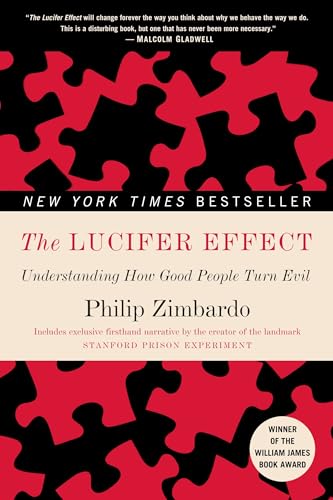
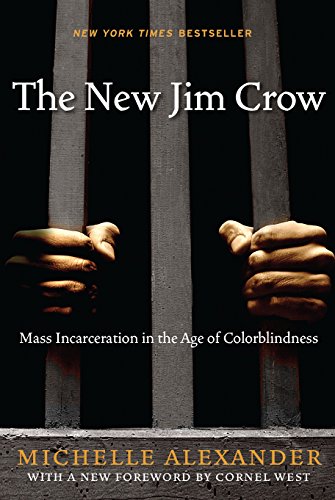
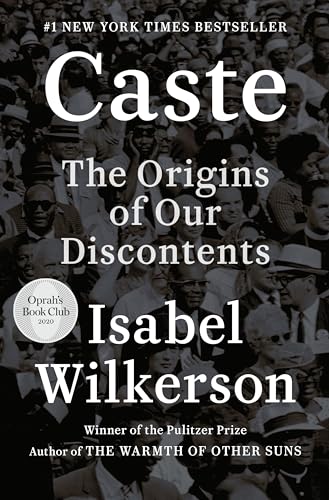
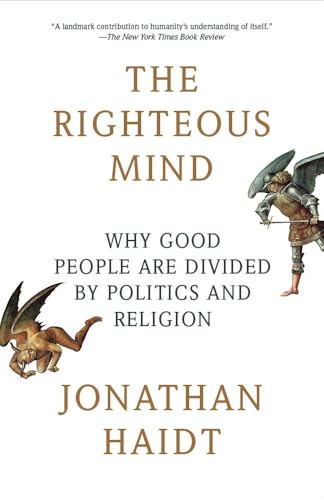
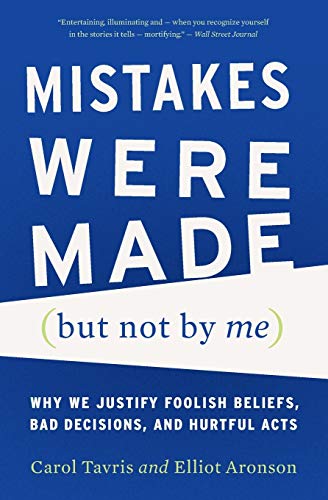
The Lucifer Effect is treated as a landmark work on how ordinary people commit terrible acts, and its influence stretches well beyond psychology. Robert Cialdini draws on Zimbardo's research when discussing authority and obedience, while Isabel Wilkerson cites the Stanford Prison Experiment in Caste to show how assigned social roles produce cruelty even among people with no personal animosity. Michelle Alexander and Ibram X.
Kendi both use Zimbardo's framework to explain how institutional power and dehumanization drive systemic injustice. Readers find the book's central argument -- that evil is situational, not dispositional -- both liberating and unsettling, though some note that later scrutiny of the Stanford Prison Experiment's methodology has complicated Zimbardo's conclusions.