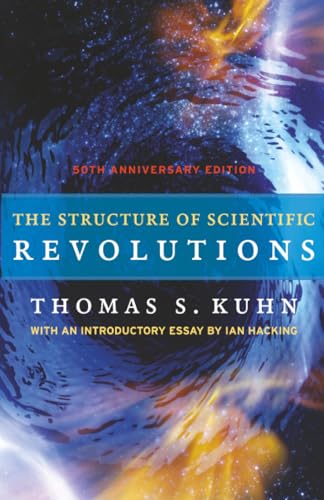
The Structure of Scientific Revolutions

The Structure of Scientific Revolutions

by Thomas Kuhn

star4

Kuhn argues that science doesn't progress through steady accumulation but through paradigm shifts - revolutionary breaks where the entire framework changes. Normal science solves puzzles until anomalies trigger a crisis.

Published:
Pages:
264
Buy on Amazon

In the Conversation

In this collection, The Structure of Scientific Revolutions references 1 other book and is cited by 9 other books.

It draws on The Origin of Species.

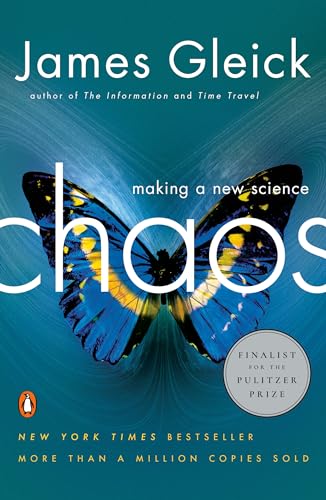
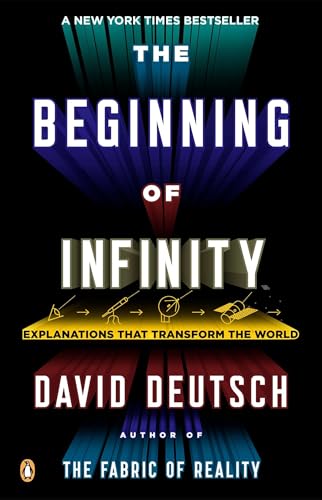
It’s picked up by The Mythical Man-Month, Chaos and The Beginning of Infinity and 6 others.

Scroll down to read the exact passages where other authors reference this book and what they say about it.

What People Say

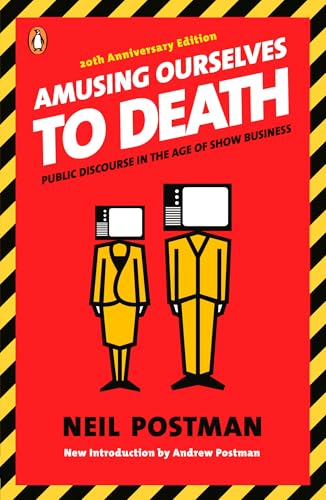
The Structure of Scientific Revolutions is one of those rare academic books that has escaped its discipline entirely, with 'paradigm shift' now part of everyday language. Authors from Frederick Brooks in software engineering to James Gleick in chaos theory to Neil Postman in media criticism all invoke Kuhn's framework to argue that transformative change comes not through gradual progress but through revolutionary breaks.

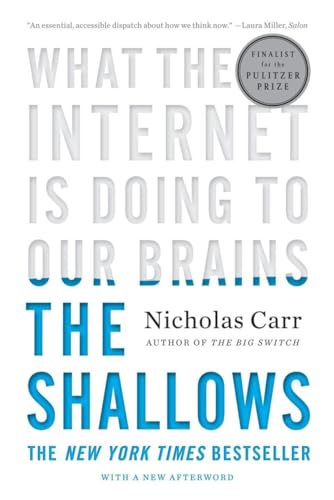
Nicholas Carr applies it to the digital transition in The Shallows, and Robin Wall Kimmerer challenges it from an indigenous knowledge perspective in Braiding Sweetgrass, showing how the framework itself reflects Western assumptions. Readers value it as a powerful lens for understanding how established thinking resists change, though some find Kuhn's arguments about incommensurability between paradigms philosophically contentious.

What This Book Draws On

1

The books Kuhn references and why each one mattered to the argument.

What Other Authors Say About It

9

The exact passages where other authors bring up “The Structure of Scientific Revolutions” and what they take from it.

Gleick references Kuhn's paradigm shifts for chaos theory.

Chaos

Cited in

Chaos

by James Gleick

Buy

Intellectual Lineage

How ideas flow through the citation network. Ancestors are books this title builds on; descendants are books that build on it.

Unexpected Connections

Books from completely different categories that share citation overlap with this one. These are the reads you would not find by browsing a single shelf.

If you liked this, try

Books with the highest citation overlap within the same categories.

Citation Network

This book and its direct connections. Hover a node to see its title, click to visit.

Books this book cites
Books that cite this book
Larger dot = more connections
FlowThe Origin of Species

Hover a node to highlight its connections. Click to open the book page. Node size reflects total citation links.