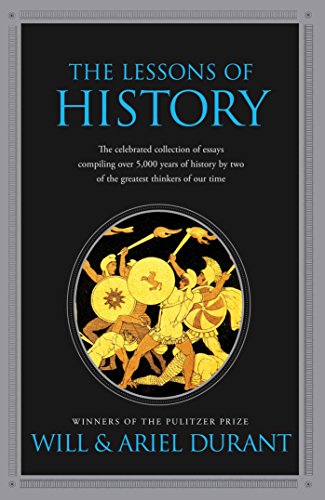
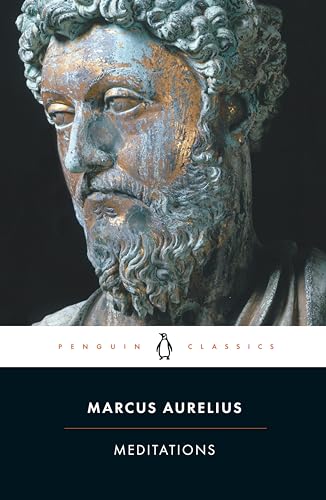
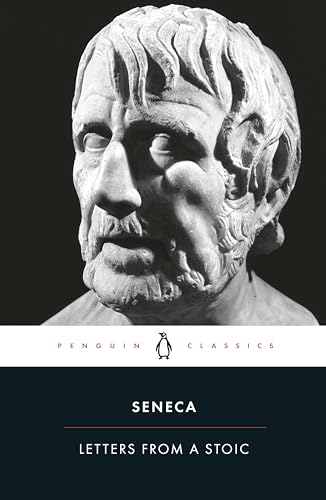
The Art of War continues to be cited across an remarkably wide range of fields -- from negotiation and business strategy to screenwriting and sports psychology -- as the foundational text on strategic thinking. Richard Rumelt draws on it repeatedly in Good Strategy Bad Strategy as a source on concentrating strength against weakness, William Ury borrows Sun Tzu's injunction to "build your opponent a golden bridge" as a core step in Getting Past No, and Jack Weatherford reads Genghis Khan's campaigns as applied Art of War on an imperial scale. Tim Ferriss's Tools of Titans guests recommend it regularly, and even W.
Timothy Gallwey's Inner Game of Tennis parallels its philosophy that battles are won through mental preparation before engagement. Readers value its brevity and density -- the text rewards rereading across different life contexts -- though some find that its constant citation in business books has diluted appreciation for the military and philosophical depth of the original.