Atomic Habits

Atomic Habits

by James Clear

star4.8

Clear argues that lasting change comes not from setting goals but from building identity-based habits. Small improvements compound over time, and the system you follow matters far more than the results you chase.

Published:
Pages:
320
Buy on Amazon

In the Conversation

In this collection, Atomic Habits references 24 other books and is cited by 5 other books.

It draws on Influence, Deep Work and Start with Why.

It’s picked up by Tiny Habits, The Practice and Ultralearning: Master Hard Skills, Outsmart the Competition, and Accelerate Your Career and 2 others.

Scroll down to read the exact passages where other authors reference this book and what they say about it.

What People Say

Clear's framework of identity-based habits and marginal gains has quickly become one of the most recommended books in the productivity and self-improvement space, drawing heavily on earlier works while making them accessible to a broader audience. BJ Fogg, whose Tiny Habits research Clear builds upon, acknowledges the book's impact, while Seth Godin cites its thesis that showing up as the kind of person who ships beats outcome-based goals. The book functions as a synthesis and popularization of ideas from Kahneman on System 1 thinking, Duhigg on habit loops, and Cialdini on social norms, packaged into a clear four-step framework.

Its outgoing citations reveal just how widely Clear reads - from Newport's deep work to Diamond's environmental determinism - which gives the book an unusually broad intellectual foundation for a self-help title. Readers praise its immediately actionable advice, though some note it covers familiar territory for those already versed in behavioural science.

What Atomic Habits Draws On

24

The books Clear references and why each one mattered to the argument.

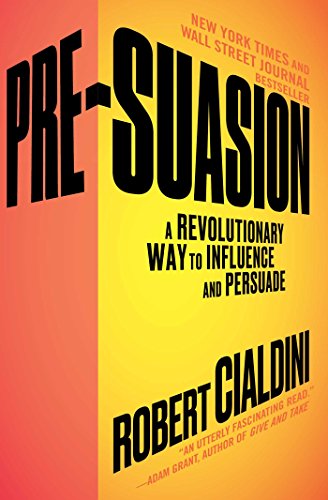
Clear references Cialdini's persuasion research to explain how social norms shape our habits. We unconsciously copy the behaviours of the groups we belong to.

Influence

References

Influence

by Robert Cialdini

Buy

Clear references Newport's deep work philosophy to argue that focused, distraction-free practice is essential for building expertise through deliberate repetition.

Deep Work

References

Deep Work

by Cal Newport

Buy

Clear cites Sinek's "start with why" framework in his discussion of identity-based habits, arguing that lasting change starts with who you want to become, not what you want to achieve.

Start with Why

References

Start with Why

by Simon Sinek

Buy

Clear references Allen's Getting Things Done system as an example of how reducing decision fatigue through trusted systems frees mental energy for habit formation.

Getting Things Done

References

Getting Things Done

by David Allen

Buy

Clear references Westover's memoir to illustrate how environment and identity shape who we become, and how changing your environment can transform your trajectory.

Educated

References

Educated

by Tara Westover

Buy

Clear cites Dalio's systematic approach to decision-making and self-improvement, drawing parallels between Dalio's "principles" and Clear's habit systems.

Principles

References

Principles

by Ray Dalio

Buy

What Other Authors Say About It

5

The exact passages where other authors bring up “Atomic Habits” and what they take from it.

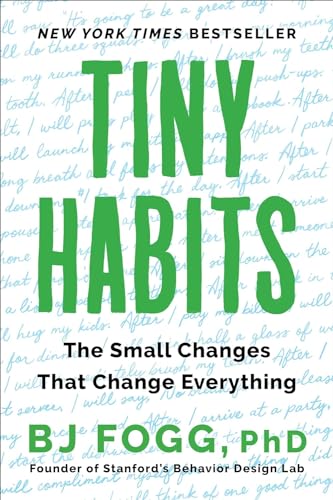
Fogg acknowledges Clear's Atomic Habits as building on his research.

Tiny Habits

Cited in

Tiny Habits

by BJ Fogg

Buy

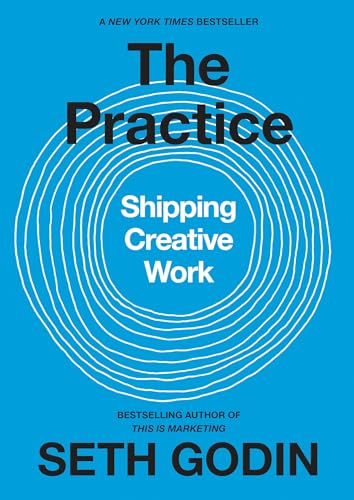
Cites Clear's Atomic Habits thesis that identity-based habits - showing up as the kind of person who ships - beat outcome-based goals for creative practitioners

The Practice

Cited in

The Practice

by Seth Godin

Buy

Echoes Clear's Atomic Habits in framing daily tactics as small behavioural design interventions, with Knapp and Zeratsky treating each tactic as an experiment to keep or discard

Make Time: How to Focus on What Matters Every Day

Cited in

Make Time: How to Focus on What Matters Every Day

by Jake Knapp and John Zeratsky

Buy

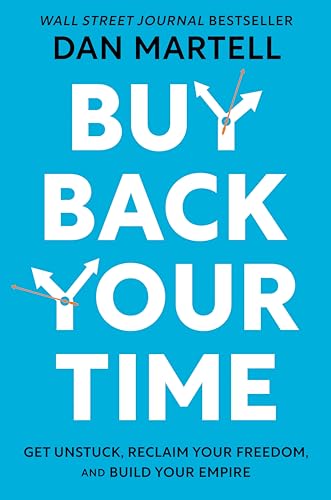
James Clear's quote "Goals are about the results you want to achieve. Systems are about the processes that lead to those results" opens Chapter 1 as the epigraph, framing Martell's argument that systems, not effort, drive entrepreneurial success.

Chapter 1

Buy Back Your Time

Cited in

Buy Back Your Time

by Dan Martell

Buy

Intellectual Lineage

How ideas flow through the citation network. Ancestors are books this title builds on; descendants are books that build on it.

Unexpected Connections

Books from completely different categories that share citation overlap with this one. These are the reads you would not find by browsing a single shelf.

If you liked this, try

Books with the highest citation overlap within the same categories.

Citation Network

This book and its direct connections. Hover a node to see its title, click to visit.

Books this book cites
Books that cite this book
Larger dot = more connections
Thinking, Fast and SlowInfluenceMindset

Hover a node to highlight its connections. Click to open the book page. Node size reflects total citation links.