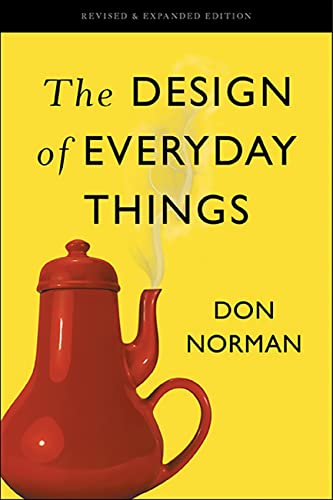
The Design of Everyday Things

The Design of Everyday Things

by Don Norman

star4.3

Norman reveals why badly designed objects frustrate us and how good design makes correct use intuitive. The principles, affordances, feedback, constraints, apply far beyond physical products.

Published:
(revised 2013)
Pages:
368
Buy on Amazon

In the Conversation

In this collection, The Design of Everyday Things references 2 other books and is cited by 18 other books.

It draws on The Mythical Man-Month and Thinking, Fast and Slow.

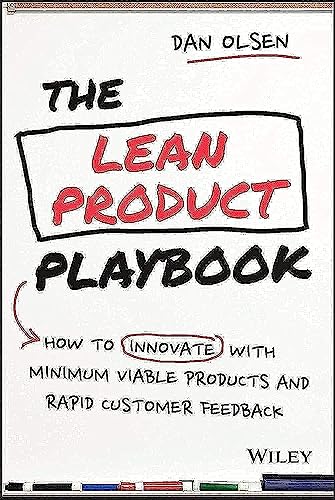
It’s picked up by The Personal MBA, The Pragmatic Programmer and The Lean Product Playbook and 15 others.

Scroll down to read the exact passages where other authors reference this book and what they say about it.

What People Say

Norman's principles of affordances, feedback, and constraints have become the foundational vocabulary of user experience and interaction design. Alan Cooper's About Face builds its Goal-Directed Design methodology on Norman's mental model framework, while Jon Yablonski extends his affordance concepts into modern interface design in Laws of UX. The book's influence reaches beyond design into cultural criticism - Ruha Benjamin uses Norman's concept of affordances to argue that technological design choices are racialized, and Sherry Turkle extends his human-technology interaction analysis to social robots and online intimacy.

Norman himself continued the conversation with Emotional Design, acknowledging that while usability is necessary, emotional response is equally critical. The revised 2013 edition added connections to Kahneman's cognitive science research, keeping the book current for new generations of designers.

What This Book Draws On

2

The books Norman references and why each one mattered to the argument.

Design of Everyday Things Revised edition (2013) references Kahneman's System 1/2 thinking on predictable user errors

Thinking, Fast and Slow

References

Thinking, Fast and Slow

by Daniel Kahneman

Buy

What Other Authors Say About It

18

The exact passages where other authors bring up “The Design of Everyday Things” and what they take from it.

Kaufman recommends Norman's design thinking as essential business knowledge, arguing that understanding how users interact with products is fundamental to creating value.

The Personal MBA

Cited in

The Personal MBA

by Josh Kaufman

Buy

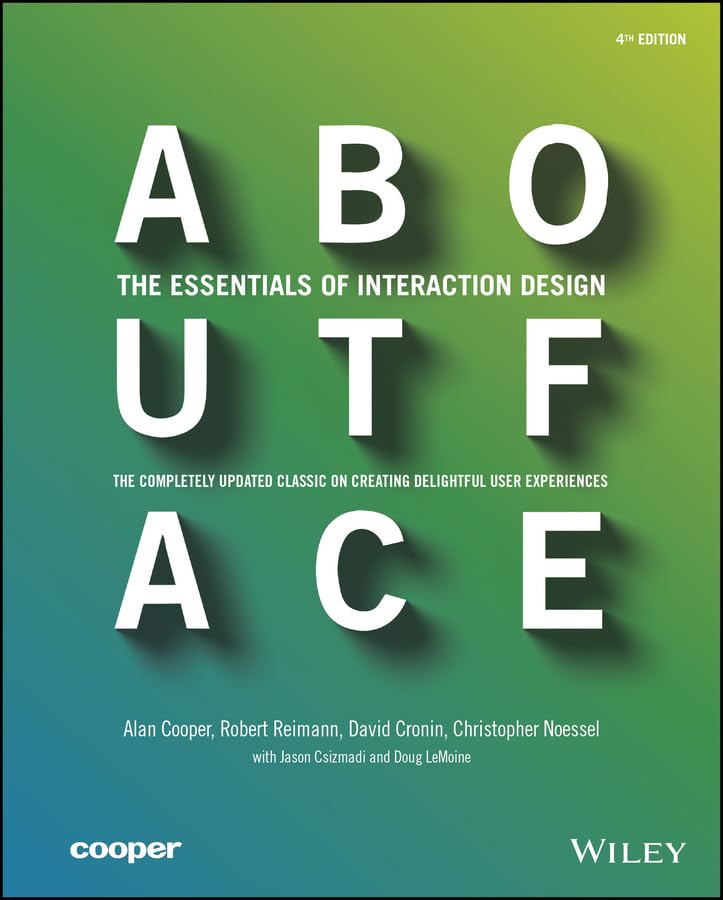
Cooper's Goal-Directed Design methodology builds on Norman's affordance and mental model frameworks from The Design of Everyday Things, extending them into a comprehensive interaction design process

About Face: The Essentials of Interaction Design

Cited in

About Face: The Essentials of Interaction Design

by Alan Cooper, Robert Reimann, David Cronin, Christopher Noessel

Buy

Intellectual Lineage

How ideas flow through the citation network. Ancestors are books this title builds on; descendants are books that build on it.

Unexpected Connections

Books from completely different categories that share citation overlap with this one. These are the reads you would not find by browsing a single shelf.

If you liked this, try

Books with the highest citation overlap within the same categories.

Citation Network

This book and its direct connections. Hover a node to see its title, click to visit.

Books this book cites
Books that cite this book
Larger dot = more connections
Thinking, Fast and Slow

Hover a node to highlight its connections. Click to open the book page. Node size reflects total citation links.