
Getting Things Done
by David Allen
star4.5
Allen's system externalises every commitment from your mind into a trusted workflow. The core insight: mental clarity comes from capturing and organising all open loops.
self-helpbusiness
112 books in this category
Start here
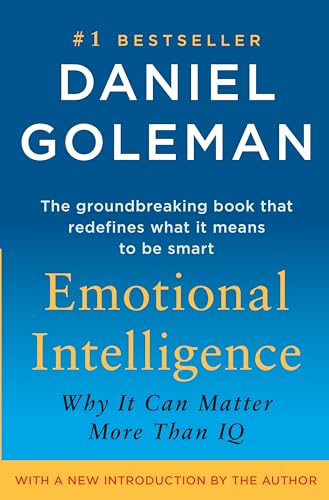
by Daniel Goleman
Cited by 47 other books and connected to 14 more in Self-Help. If you read one book in this category first, the citation network says make it this one.
Ranked by how often they are cited by other books in the collection. These are the titles later authors keep returning to — read one and you will recognise its fingerprints across the rest of the category.
1by Daniel Goleman
 2
2by Carol Dweck
 3
3by Stephen Covey
 4
4by Dale Carnegie
 5
5by Cal Newport
 6
6by Charles Duhigg
by David Allen
Allen's system externalises every commitment from your mind into a trusted workflow. The core insight: mental clarity comes from capturing and organising all open loops.

by Napoleon Hill
Hill distilled interviews with hundreds of successful people into a philosophy of achievement driven by desire, faith, and persistence. Success begins with a definite purpose held in the mind with burning obsession.

by Steven Pressfield
Pressfield names the invisible force that stops us from doing creative work: Resistance. It's self-generated, universal, and relentless - and the only way to defeat it is to show up like a professional, every single day.

by Matthew Walker
Walker presents evidence that sleep deprivation damages memory, immunity, and lifespan. Eight hours is not optional, it is the single most effective thing you can do for health.

by Ryan Holiday
Holiday revives ancient Stoic philosophy as a practical framework for turning adversity into advantage. Every obstacle contains a hidden opportunity, the discipline is in perception, action, and will.

by James Clear
Clear argues that lasting change comes not from setting goals but from building identity-based habits. Small improvements compound over time, and the system you follow matters far more than the results you chase.
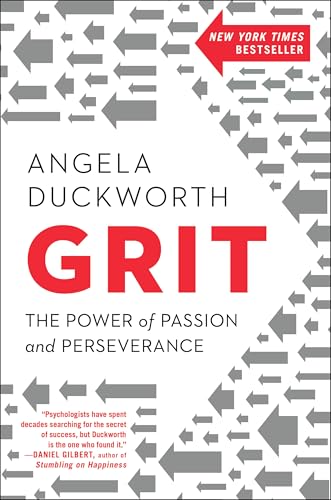
by Angela Duckworth
Duckworth's research shows that passion and perseverance predict success far better than talent alone. Grit can be cultivated through interest, practice, purpose, and hope.

by Eckhart Tolle
Tolle argues that nearly all human suffering comes from identification with the thinking mind. Presence in the current moment dissolves anxiety about the future and regret about the past.

by Greg McKeown
McKeown argues that doing less but better is the disciplined pursuit of what truly matters. Most people spread themselves too thin and make a millimetre of progress in a million directions.

by Susan Cain
Cain argues that Western culture dangerously undervalues introverts. Quiet people drive creativity and careful thinking, yet workplaces and schools are designed to reward extroversion.

by Tim Ferriss
Ferriss challenges the deferred-life plan of working until retirement. Through automation, outsourcing, and lifestyle design, he argues you can build freedom now, not decades from now.

by Cal Newport
Newport argues that compulsive phone use erodes focus, solitude, and meaningful connection. He offers a practical philosophy for reclaiming attention in a noisy digital world.
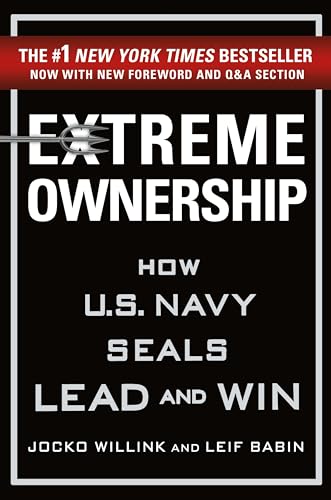
by Jocko Willink
Willink and Babin argue that every leadership failure is ultimately a failure of ownership. Lessons from Navy SEAL combat translate directly: leaders must own everything in their world, no excuses.
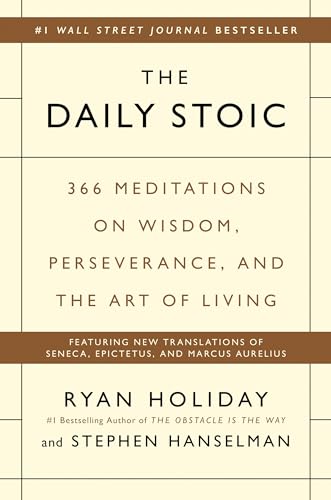
by Ryan Holiday
Holiday distills 366 daily meditations drawn from Marcus Aurelius, Seneca, and Epictetus. Each entry translates ancient Stoic wisdom into actionable guidance for modern challenges in work and life.
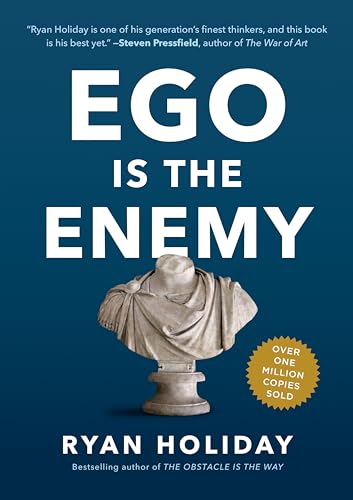
by Ryan Holiday
Holiday argues that ego, the need to be recognised, to be right, to be important, is the invisible enemy that undermines learning, collaboration, and lasting success.
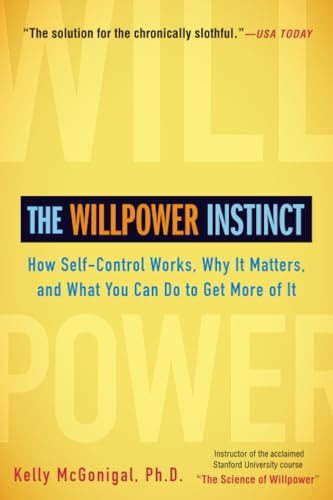
by Kelly McGonigal
McGonigal reframes willpower as a trainable skill rooted in self-awareness, not a fixed trait. Understanding the biology of impulse and stress gives practical leverage over cravings.

by Brene Brown
Brown's research shows that vulnerability is not weakness but the foundation of courageous leadership. Leaders who embrace discomfort build more trusting, innovative teams.

by Ray Dalio
Dalio shares the decision-making principles he developed running the world's largest hedge fund. His core framework: radical transparency, systematic thinking, and treating mistakes as the primary path to learning.
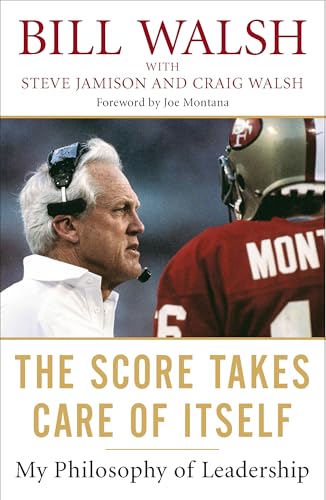
by Bill Walsh
Walsh reveals that obsessing over the scoreboard is a losing strategy. Build the right culture, set exacting standards of performance, and the results will follow as a natural consequence.
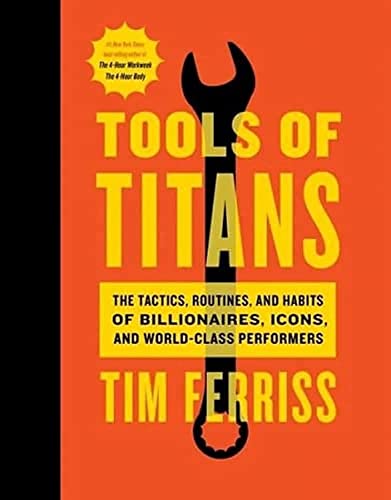
by Tim Ferriss
Ferriss distills the habits, routines, and tactics of world-class performers into actionable advice. It's less a single argument and more a playbook - the shared patterns of people who've mastered health, wealth, and wisdom.

by Robert Kiyosaki
Kiyosaki contrasts his two fathers' financial philosophies to argue that the wealthy don't work for money - they make money work for them. Financial literacy and asset-building, not a paycheck, create lasting wealth.

by Oliver Burkeman
Burkeman argues that four thousand weeks is all you get, so productivity hacks are a trap. The real challenge is accepting your finitude and choosing what to deliberately neglect.
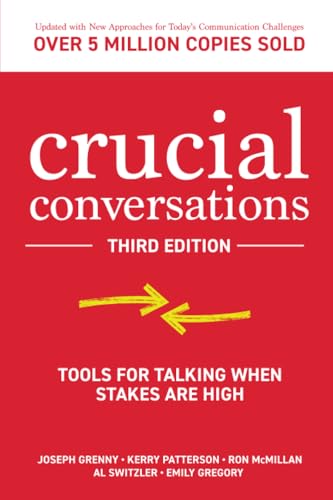
by Kerry Patterson
Patterson argues that most organisational failures trace back to crucial conversations people avoid. Learning to speak honestly when stakes are high and emotions run strong changes everything.
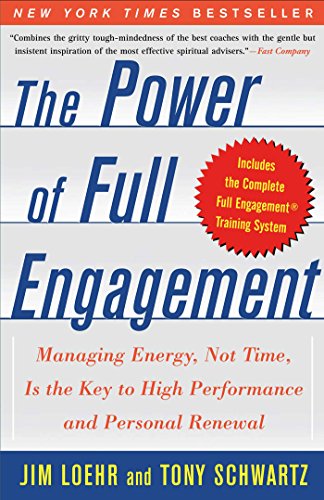
by Jim Loehr
Loehr argues manageing energy, physical, emotional, mental, spiritual, matters more than manageing time. Peak performance requires oscillating between intense effort and deliberate recovery.
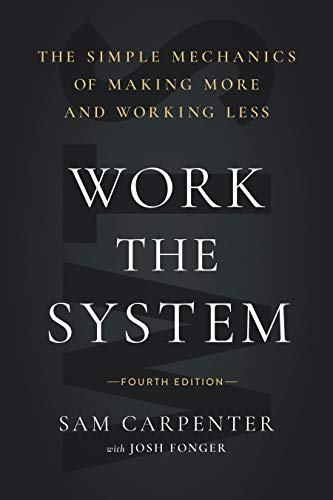
by Sam Carpenter
Carpenter argues that businesses and lives are composed of separate systems that can be individually perfected. By documenting and optimising each process, you gain control and free up time.

by Brene Brown
Brown's first breakthrough book lays out ten "guideposts" for wholehearted living, grounded in her research on shame, worthiness, and the courage to be imperfect.
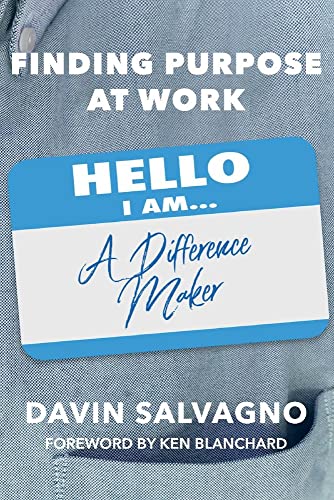
by Davin Salvagno
Salvagno's first book argues that purpose is not a corporate slogan but a personal practice. He walks readers through a framework for discovering meaning in their daily work, regardless of role or industry.
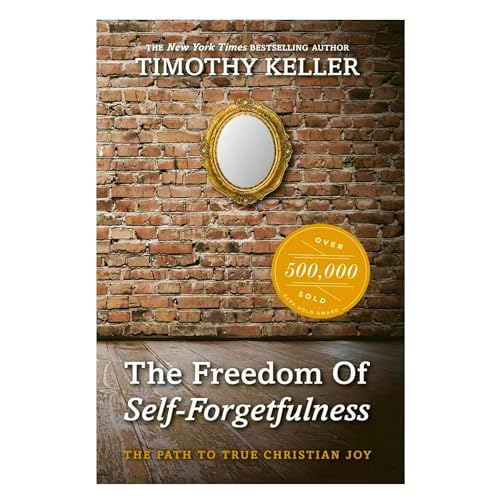
by Timothy Keller
Keller argues that true freedom from self-criticism comes not from thinking more highly of yourself but from thinking of yourself less. Drawing on 1 Corinthians 4, he offers a strikingly counter-cultural take on identity and worth in just 48 pages.
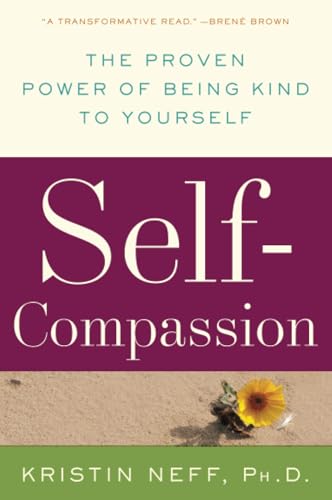
by Kristin Neff
Neff introduces self-compassion as a scientifically measurable alternative to self-esteem, arguing that treating ourselves with the kindness we would offer a friend produces greater resilience than self-evaluation ever can. She integrates Buddhist psychology with empirical research to show how self-compassion reduces shame, anxiety, and depression while fueling motivation and relational health.
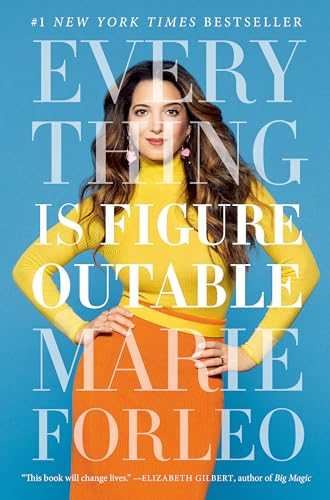
by Marie Forleo
Forleo argues that anything you genuinely want to do, you can figure out how to do. A practical guide to overcoming excuses, building momentum, and approaching life's obstacles as solvable problems.

by Brene Brown
Brown draws on twelve years of research to argue that vulnerability is the birthplace of courage, creativity, and connection. The book that sparked her shift from academic researcher to mainstream leadership voice.
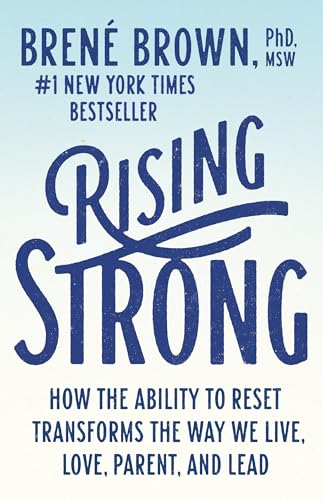
by Brene Brown
Brown argues that what separates those who recover from failure from those who don't is the willingness to get curious about the stories they tell themselves. The process she calls "the reckoning, the rumble, and the revolution".
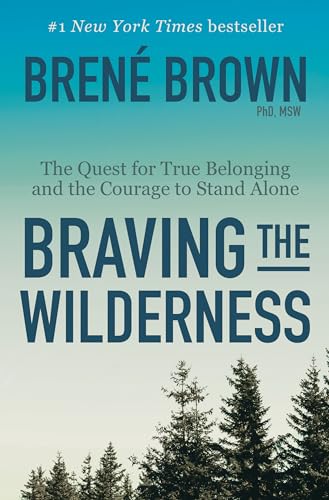
by Brene Brown
Brown redefines true belonging as the courage to stand alone when necessary. Fitting in is not belonging, and real belonging requires us to belong to ourselves first.
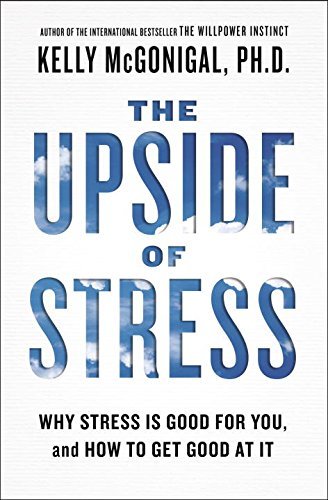
by Kelly McGonigal
Stanford psychologist Kelly McGonigal argues that the harmfulness of stress is largely a function of how you think about it. Reframing stress as a resource rather than a threat changes its biological impact.
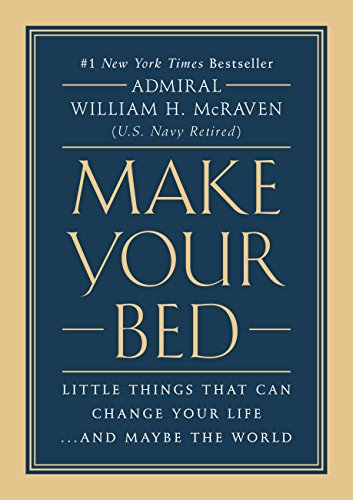
by William McRaven
McRaven draws on Navy SEAL training to argue that small acts of discipline ripple outward. Start by making your bed - if you can't do the little things right, you'll never get the big things right.
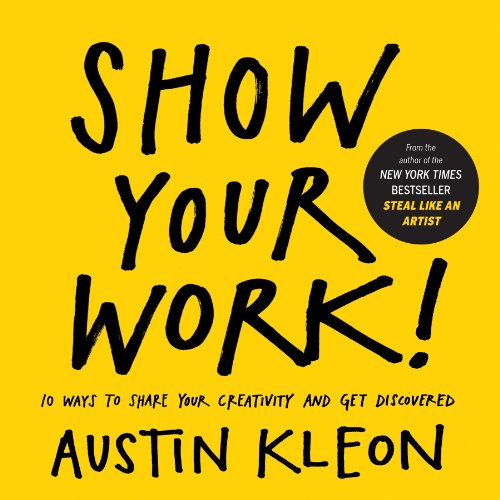
by Austin Kleon
Kleon argues that sharing your creative process — not just the finished work — is how you find your audience and community. A short, illustrated manifesto for opening up your work in the internet age.
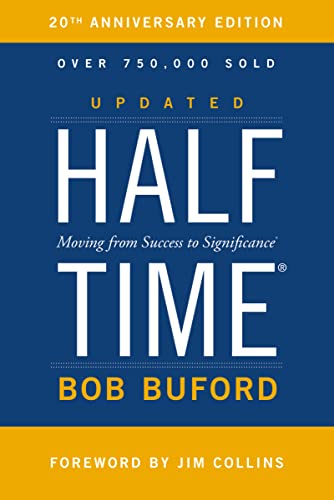
by Bob Buford
Buford's influential framework distinguishes the first half of life (focused on success) from the second half (focused on significance). A guide for high-achievers wrestling with what comes after they've "made it".
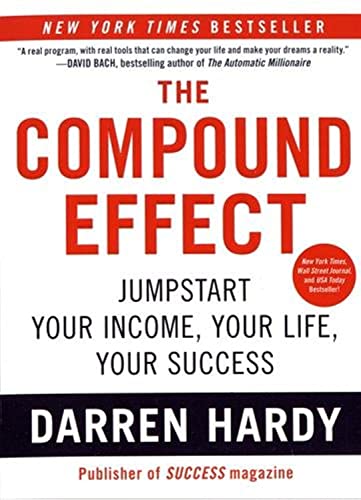
by Darren Hardy
Hardy argues that small, seemingly insignificant daily choices compound into massive results over time. Success isn't about big breakthroughs - it's about consistent, disciplined actions repeated relentlessly.
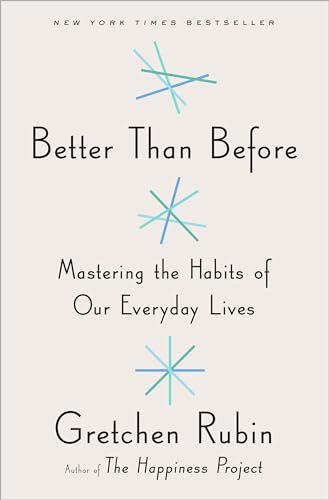
by Gretchen Rubin
Rubin identifies four "Tendencies" — Upholders, Questioners, Obligers, and Rebels — that determine how people respond to expectations, and argues that habit change must be tailored to your tendency. A practical complement to Duhigg and Clear.

by Austin Kleon
Kleon argues that all creative work builds on what came before. The key is to study widely, remix influences honestly, and share your process openly with the world.
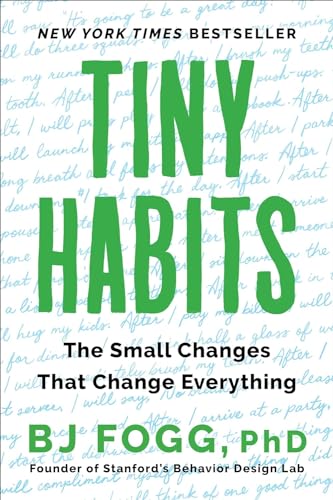
by BJ Fogg
Fogg argues that lasting change comes not from motivation but from making behaviours tiny and anchoring them to existing routines. Start absurdly small and let momentum build naturally.
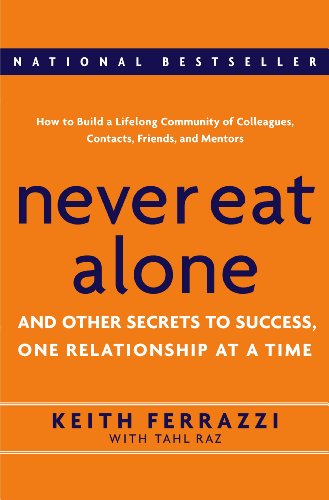
by Keith Ferrazzi
Ferrazzi argues that success is built on generous relationship-building rather than transactional networking, and lays out his operating system for connecting with people authentically one relationship at a time. He contrasts his approach with the crude glad-handing that most people associate with networking, insisting that the real currency is generosity given long before it is needed.
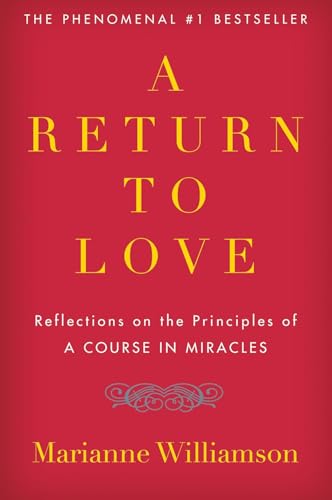
by Marianne Williamson
Williamson offers a spiritual perspective on love, work, and relationships based on the principles of A Course in Miracles. Her famous passage on "playing small" has been widely quoted by leaders and authors worldwide.
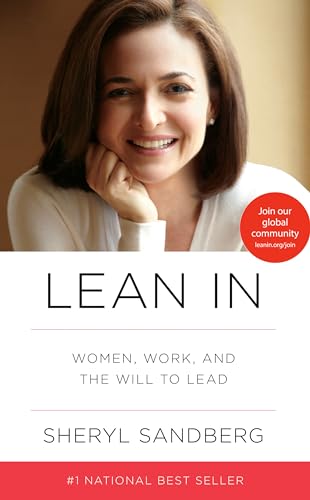
by Sheryl Sandberg
Sandberg argues that women hold themselves back from leadership in ways they often don't realise. She combines personal stories, research, and practical advice for navigating a workplace still shaped by gendered expectations.
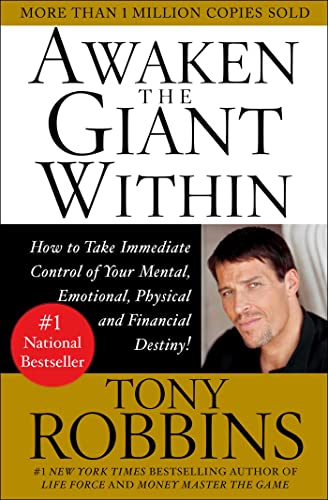
by Tony Robbins
Robbins argues that by mastering your emotional states, beliefs, and internal questions, you can reshape any area of your life. Lasting change starts with rewiring the decisions you make daily.
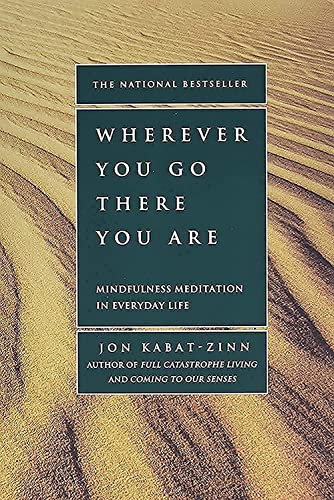
by Jon Kabat-Zinn
Kabat-Zinn presents mindfulness not as spiritual practice but as disciplined, non-judgemental attention to the present moment. Awareness itself is the foundation of healing and genuine living.
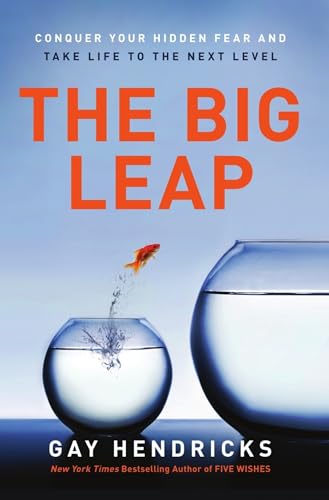
by Gay Hendricks
Hendricks identifies the "Upper Limit Problem" that keeps people from reaching their full potential. He maps four zones of functioning and argues that lasting fulfilment comes only from operating in your "Zone of Genius".
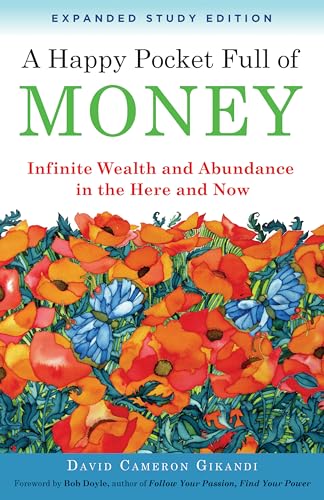
by David Cameron Gikandi
Gikandi argues that wealth begins with consciousness, not action. Drawing on quantum physics and spiritual principles, he presents abundance as an internal state that manifests externally.
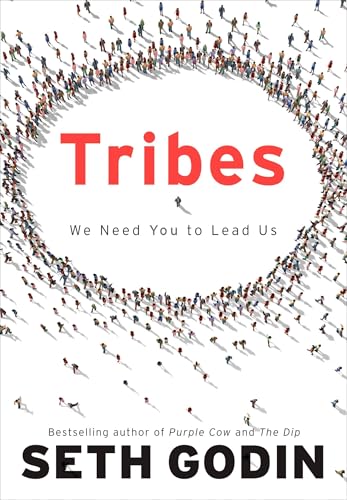
by Seth Godin
Godin argues that the internet has unleashed a new era of tribes, groups of people connected by shared interests who need leaders. Anyone can lead a tribe, and the world needs more people willing to step up.
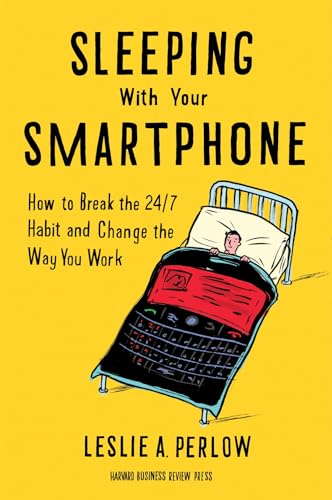
by Leslie Perlow
Harvard Business School professor Leslie Perlow documents a Boston Consulting Group experiment with "Predictable Time Off" and argues that the always-on work culture emerged haphazardly, not by design — and can be undone the same way.
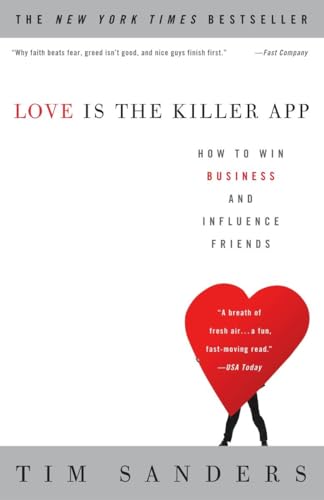
by Tim Sanders
Sanders argues that the most successful people in business are "lovecat" networkers who freely share their knowledge, contacts, and compassion. Nice, smart people who share what they know finish first.
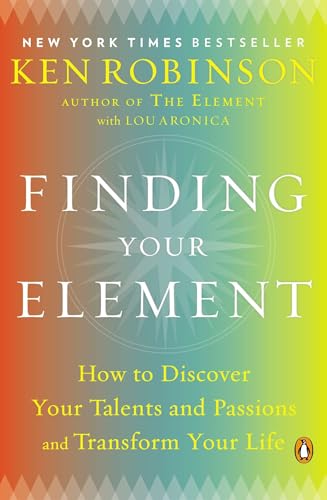
by Ken Robinson
Robinson offers a practical guide to discovering your natural talents and passions. Building on his work in "The Element", he provides exercises and stories to help readers find and pursue the work they were born to do.
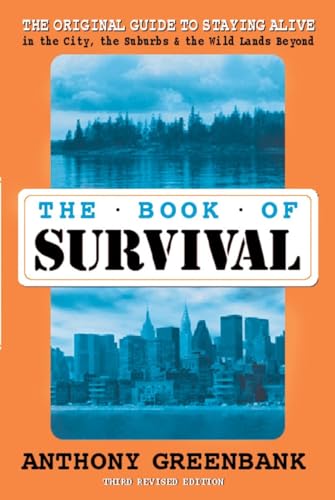
by Anthony Greenbank
Greenbank argues that surviving impossible situations does not require exceptional physical or mental abilities. You simply need to know what to do, a principle that applies far beyond physical survival.
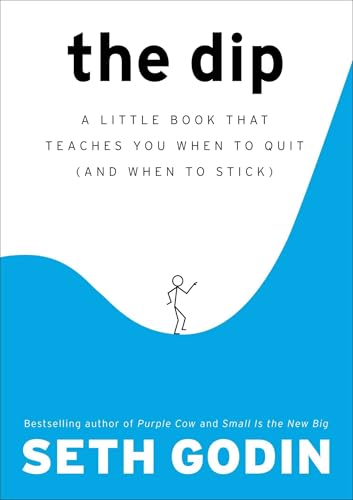
by Seth Godin
Godin argues that every worthwhile pursuit involves a difficult stretch between starting and mastering it. Winners quit the right things at the right time and push through the dip on things that matter.
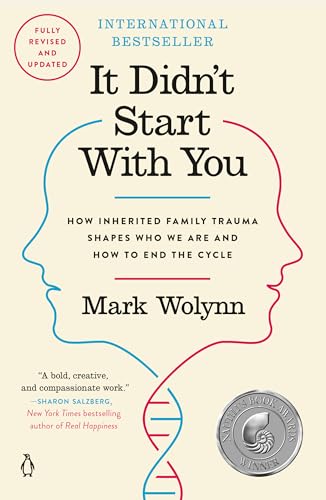
by Mark Wolynn
Wolynn synthesizes epigenetic research with family-systems therapy to argue that unresolved trauma from previous generations gets transmitted biologically and behaviourally to descendants. He offers a practical method of 'core language' mapping to trace present-day anxieties, symptoms, and relational patterns back to specific family events that were never metabolized.
by Nedra Glover Tawwab
Tawwab, a licensed therapist, argues that most interpersonal exhaustion comes not from difficult people but from unclear or unenforced boundaries. She offers a CBT-informed framework for identifying six boundary domains, naming one's limits clearly, and tolerating the guilt that arises when old patterns of over-functioning are interrupted.
by Davin Salvagno
Salvagno identifies twelve mindsets — comparison, competition, impatience, distraction, excuses, fear, lies, guilt, quitting, success, indifference, unbelief — that derail us from living out our purpose. A practical guide to overcoming the inner saboteurs that rob us of our potential.
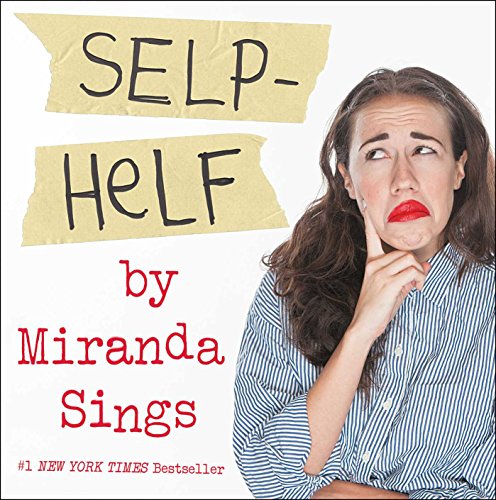
by Miranda Sings
YouTube comedian Colleen Ballinger writes as her character Miranda Sings to deliver a parody self-help book. Includes deliberately misspelled advice on dating, fashion, and "magick."

by Jim Rohn and Chris Widener
Rohn and Widener teach success principles through a fable about a young man who meets a mysterious mentor. The twelve pillars cover personal development, relationships, finance, health and lifestyle.

by Elizabeth Gilbert
Gilbert argues that ideas are autonomous entities that visit people willing to do the work, and that the creative life belongs to the curious, not the tortured genius. She reframes fear as an ordinary passenger on the road and rejects suffering as a prerequisite for art.
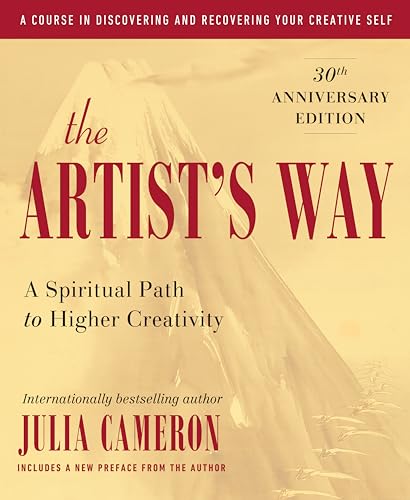
by Julia Cameron
Cameron presents a 12-week recovery program for blocked artists built around 'Morning Pages' and weekly 'Artist Dates,' arguing that creativity is a spiritual practice repressed by internal critics and unprocessed wounds. She treats unblocking as a form of soul recovery modeled on Twelve Step work.

by Brené Brown
Brown maps 87 distinct human emotions and experiences, arguing that precise emotional vocabulary is not academic nicety but the infrastructure of connection, we cannot share what we cannot name. Drawing on two decades of her own qualitative research plus the broader emotion-science literature, she offers a taxonomy designed to replace vague feeling-words with actionable distinctions.
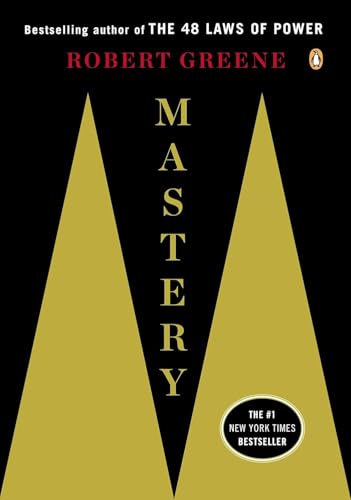
by Robert Greene
Greene studies the lives of historical and contemporary masters — Da Vinci, Darwin, Mozart, Coltrane, Temple Grandin — to reverse-engineer the path to mastery. His framework: apprenticeship, creative-active, and mastery phases, each with concrete strategies.
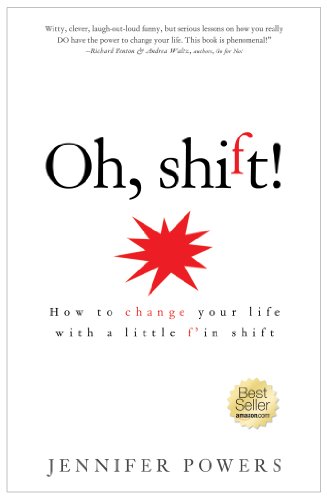
by Jennifer Powers
Powers argues that shifting one letter — turning unhelpful "shit" thinking into productive "shift" thinking — is the simplest way to take control of your life. A short, practical reframing tool.
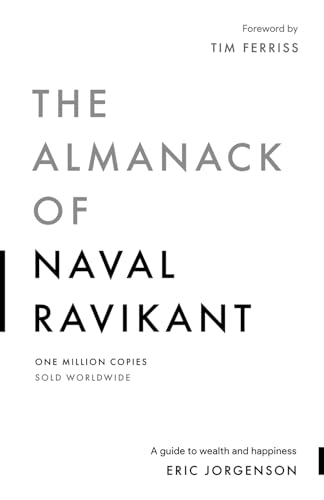
by Eric Jorgenson
Jorgenson curates Naval Ravikant's insights on building wealth through leverage and specific knowledge, and finding happiness through subtraction. Wealth is a learnable skill, not a zero-sum game.
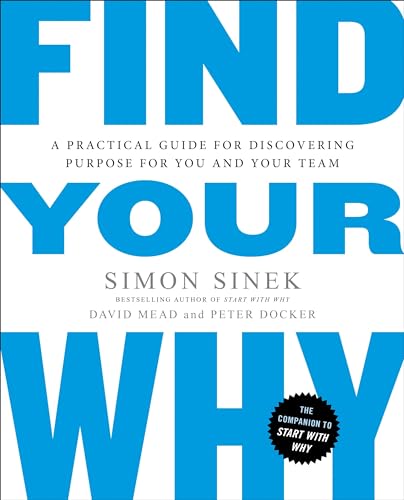
by Simon Sinek
Co-written with David Mead and Peter Docker, this is Sinek's explicit workbook companion to Start with Why, giving teams and individuals a step-by-step process to uncover their purpose through story-mining exercises. Sinek argues that purpose is not invented but discovered by pattern-matching the moments that already moved you.
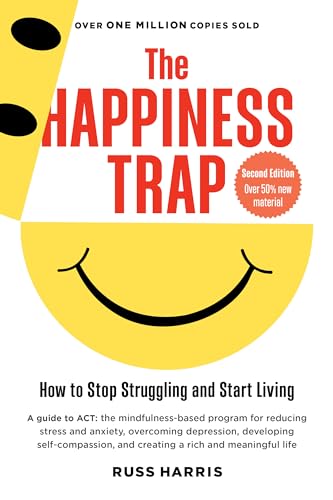
by Russ Harris
Harris introduces Acceptance and Commitment Therapy (ACT) to a general audience, arguing that the cultural pursuit of happiness is itself the problem, the struggle to eliminate painful thoughts and feelings amplifies them. He teaches defusion, acceptance, values clarification, and committed action as the alternative to control-based coping.
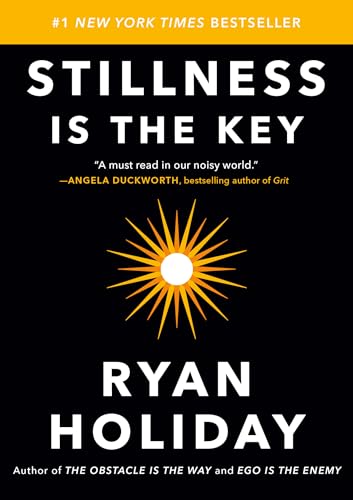
by Ryan Holiday
Holiday argues that stillness - the ability to be steady, focused, and present - is the secret weapon behind history's greatest leaders and thinkers. In a world of noise, clarity comes from cultivating inner calm.
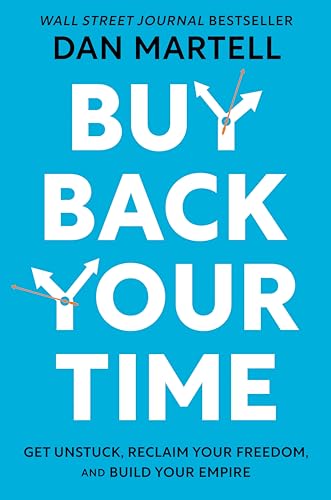
by Dan Martell
Martell argues that entrepreneurs should buy back their time by hiring for their lowest-value tasks first. The goal is to stay in your highest-impact zone as you scale.

by Peter Attia
Attia argues medicine focuses on treating disease rather than preventing decline. The real goal is extending healthspan through exercise, nutrition, sleep, and proactive metabolic management.
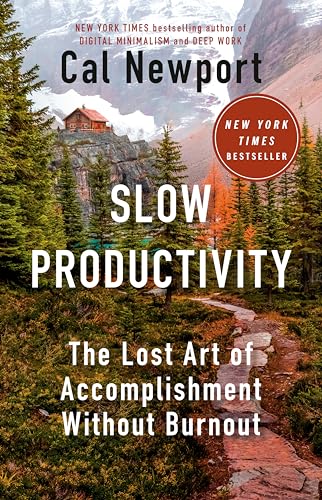
by Cal Newport
Newport attacks pseudo-productivity - the industrial-era habit of using visible busyness as a proxy for value - and proposes three alternative principles drawn from the working lives of historical creators like John McPhee, Jane Austen, and Georgia O'Keeffe: do fewer things, work at a natural pace, and obsess over quality. He argues that sustained meaningful output comes from subtraction and seasonal variation, not from cramming more activity into every hour.

by Scott H. Young
Young distills nine principles of aggressive self-directed learning from case studies of figures like Benjamin Franklin, Richard Feynman, and polyglot Benny Lewis, plus his own MIT Challenge in which he completed the undergraduate computer science curriculum in a year. The argument is that intense, deliberate, project-based learning can compress years of conventional study and is a crucial strategy in an economy where skill acquisition determines career options.
by Chris Bailey
Bailey reports on a year-long self-experiment in which he tested productivity techniques on himself, from meditating 35 hours a week to working 90-hour weeks to watching 296 TED talks in a month, and interviewed leading productivity thinkers. His conclusion is that productivity is not about time management at all but about the joint management of time, attention, and energy, with three being the critical number of daily priorities.

by Jake Knapp and John Zeratsky
The former Google Ventures designers present a four-step daily framework. Highlight, Laser, Energize, Reflect, for escaping what they call the Busy Bandwagon and the Infinity Pools of endless digital feeds. Instead of optimizing every minute, they argue you should pick one 60-90 minute highlight each day and defend it against the default distractions engineered by modern software.
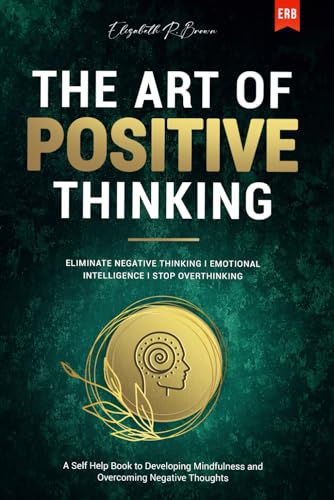
by Elizabeth R. Brown
Brown offers practical exercises for retraining the mind toward optimism. The book emphasises emotional intelligence and overcoming chronic overthinking.
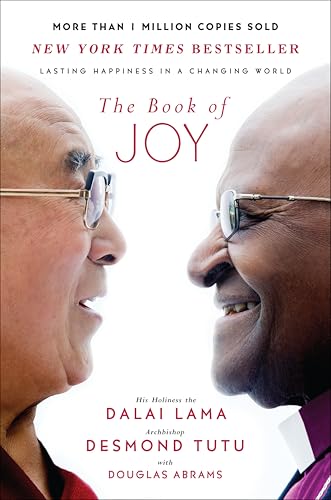
by Dalai Lama
The Dalai Lama and Desmond Tutu share how they find joy despite immense suffering. True joy, they argue, comes not from avoiding pain but from compassion, humour, and generosity toward others.
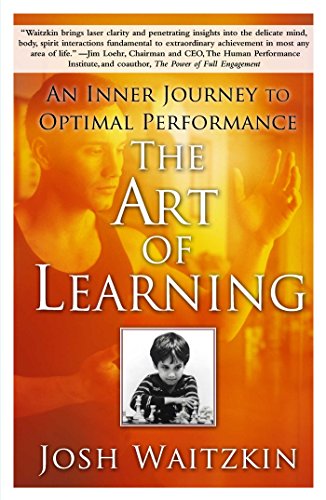
by Josh Waitzkin
Waitzkin, chess prodigy turned martial arts champion, shares his framework for mastering any skill by investing in loss and making smaller circles to deepen understanding.
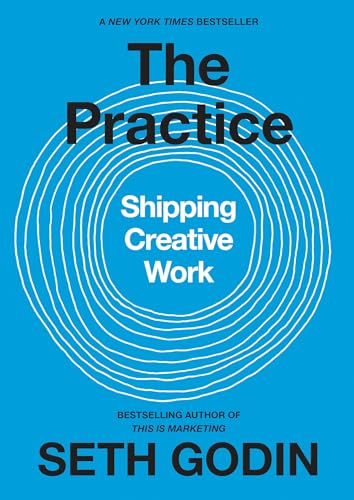
by Seth Godin
Godin argues that creative work is a practice, not an outcome - you show up, do the work, and ship it regardless of how you feel. He insists writer's block is a myth, that consistency beats authenticity, and that imposter syndrome is evidence you are doing something that matters.
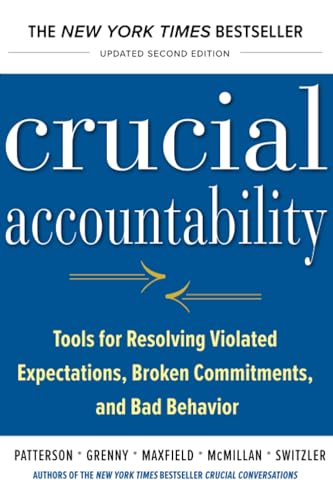
by Kerry Patterson
Originally published as Crucial Confrontations, Patterson and the VitalSmarts team give a step-by-step toolkit for holding people accountable when expectations are violated, commitments are broken, or behavior is bad. They argue the skill is not about having tough conversations but about creating safety so the other person can hear hard truth.
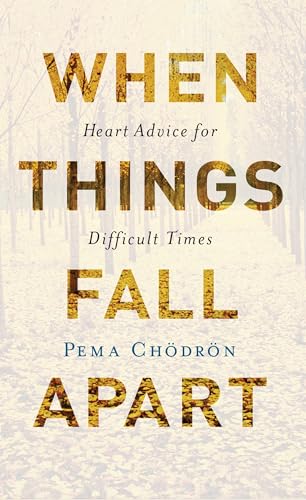
by Pema Chödrön
Pema Chödrön draws on Buddhist wisdom to show how we can use painful emotions and difficult situations as stepping stones to a more joyful existence. Rather than offering escape from suffering, she teaches that leaning into groundlessness and impermanence opens the heart in ways we never imagined. A perennial bestseller that has helped millions navigate grief, anxiety, and life's inevitable upheavals.
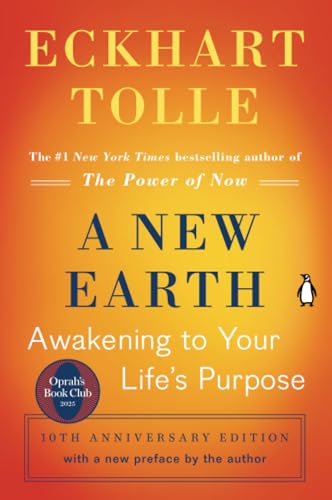
by Eckhart Tolle
Building on the insights of The Power of Now, Eckhart Tolle explores how transcending ego-based consciousness is essential not only for personal happiness but for ending conflict throughout the world. He identifies the mechanisms of the ego, explains how pain-bodies operate, and shows readers how to access a deeper dimension of awareness beyond thought. The book has sold 15 million copies and was selected twice for Oprah's Book Club.
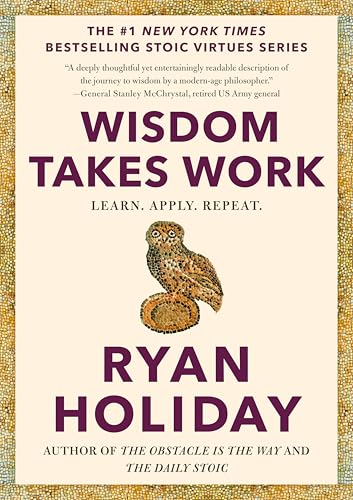
by Ryan Holiday
The fourth and final book in Holiday's Stoic Virtues series explores wisdom as a lifelong practice, not a destination. Drawing on Montaigne, Emerson, Marcus Aurelius, and Seneca, Holiday argues that wisdom is earned through study, humility, and relentless self-examination.
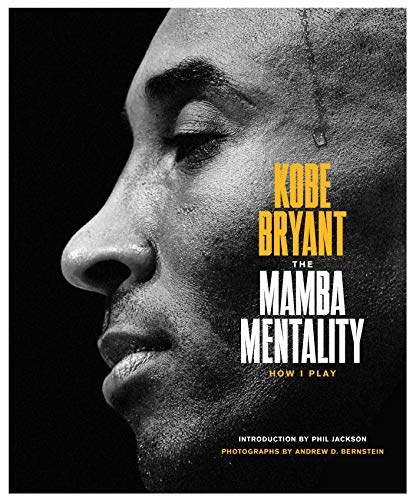
by Kobe Bryant
In this richly illustrated memoir, NBA legend Kobe Bryant reveals the obsessive preparation, relentless study of opponents, and psychological approach that defined his two-decade career with the Los Angeles Lakers. With photography by Andrew D. Bernstein and a foreword by Pau Gasol, Bryant annotates his career through detailed analysis of his training methods, in-game decision-making, and the competitive philosophy he called the 'Mamba Mentality.'
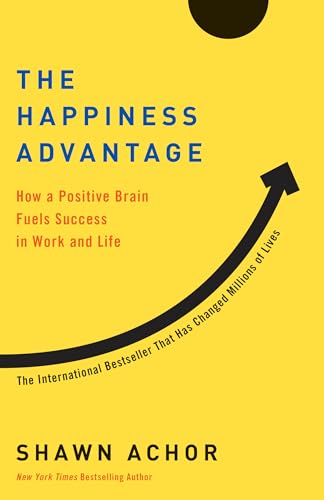
by Shawn Achor
Achor argues happiness is not the result of success but its precursor, positive brains outperform negative ones. Rewiring habits around gratitude, connection, and meaning yields a measurable edge.
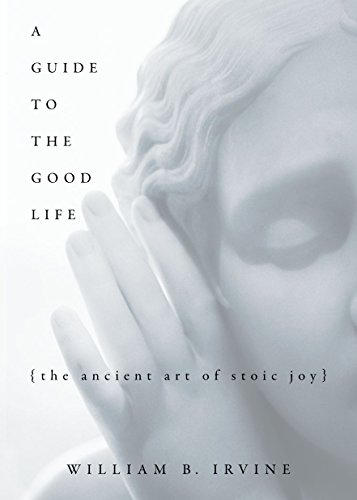
by William Irvine
Irvine revives Stoicism as a practical guide to tranquility, built on negative visualization and the dichotomy of control. Want what you already have and anxiety loses its grip.
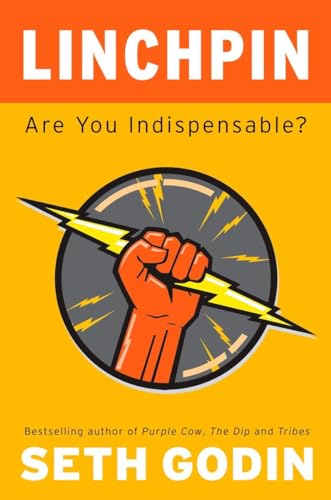
by Seth Godin
Godin argues that the industrial-era compliance worker is obsolete, and the new indispensable worker is the linchpin who does emotional labor, gives gifts, and ships art. He tells readers to fight the lizard brain, the seat of Resistance, that keeps them safe, average, and interchangeable.

by Laura Vanderkam
Vanderkam uses detailed time logs from hundreds of working professionals to argue that the familiar complaint of 'I don't have time' is almost always false - everyone gets 168 hours a week, and the real question is whether you fill that time with your core competencies or let it drain into obligation and habit. She presents time as a blank slate to be designed around strengths, not a resource being stolen.

by Don Miguel Ruiz
Drawing on ancient Toltec wisdom, Don Miguel Ruiz distills a powerful code of conduct into four deceptively simple agreements: be impeccable with your word, don't take anything personally, don't make assumptions, and always do your best. The book reveals how self-limiting beliefs inherited from society create needless suffering and offers a practical path to personal freedom. It has sold over 15 million copies in the United States alone.
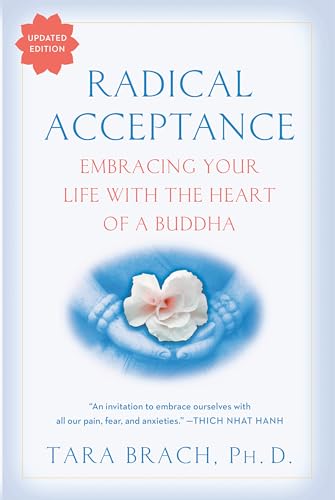
by Tara Brach
Clinical psychologist and Buddhist teacher Tara Brach weaves together Western psychology and Eastern spiritual practice to address the pervasive feeling of unworthiness she calls the 'trance of unworthiness.' Through personal stories, guided meditations, and Buddhist teachings, she shows how radical acceptance of our moment-to-moment experience can heal shame and fear. The book offers a path to reconnecting with our innate goodness and compassion.
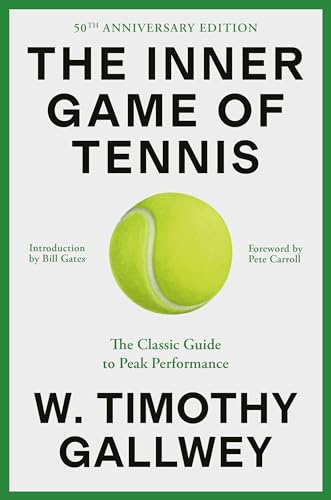
by W. Timothy Gallwey
Gallwey's groundbreaking 1974 classic introduces the concept of the 'inner game' - the mental battle against self-doubt and anxiety that takes place within every athlete's mind. Built on a foundation of Zen thinking and humanistic psychology, the book provides a framework for quieting the critical 'Self 1' to let the competent 'Self 2' perform naturally, with principles that have since been applied far beyond tennis to business, education, and personal development.
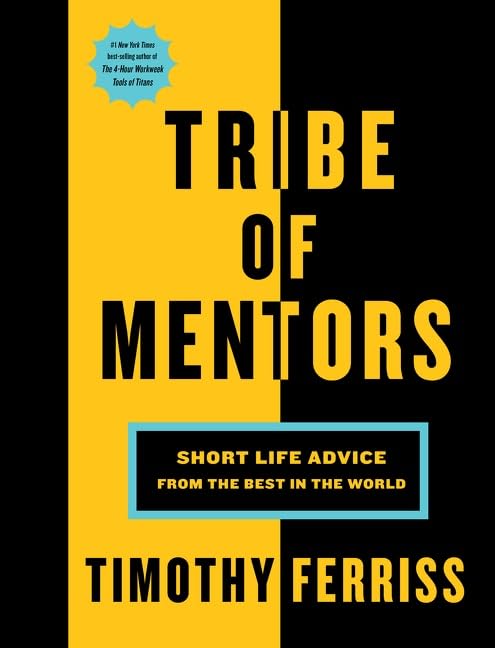
by Tim Ferriss
Ferriss distils advice from 130 world-class performers into actionable tactics. The recurring theme: success comes from deliberate routines, selective focus, and embracing discomfort.

by Mark Manson
Manson argues that the key to a good life is not positive thinking but choosing better problems to care about. Accepting limitations is more freeing than chasing endless improvement.
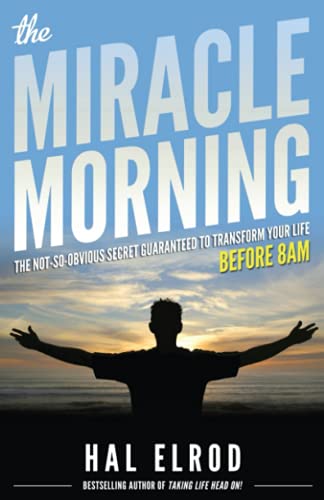
by Hal Elrod
Elrod argues that a structured morning routine, silence, affirmations, visualization, exercise, reading, and scribing, can transform any area of your life. How you start your day determines how you live it.

by Gary Keller
Keller argues that extraordinary results come from focusing on the single most important task, not juggling many. The key question: what is the one thing that makes everything else easier?

by Robin Sharma
Sharma advocates a 5 AM routine built around exercise, reflection, and learning. The core argument: how you start your morning determines your productivity and fulfilment.
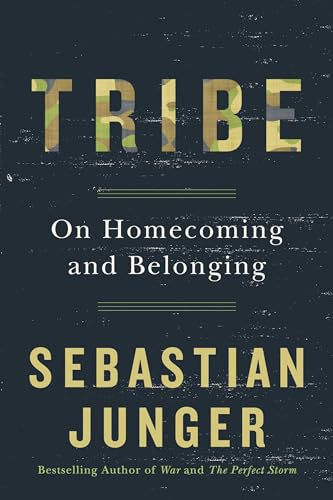
by Sebastian Junger
Junger argues modern society has destroyed the tribal bonds humans evolved to need. Adversity and shared hardship paradoxically make people happier by restoring communal purpose.
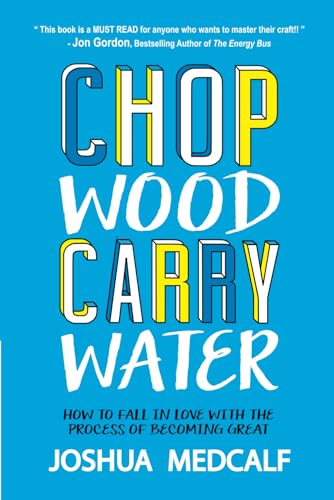
by Joshua Medcalf
Through the parable of a young man named John training to become a samurai archer under the guidance of a wise teacher named Akira, Medcalf delivers powerful lessons about the daily discipline of mastery. The story emphasizes that greatness is not a destination but a process of showing up faithfully each day, embracing mundane practice, and finding meaning in the journey rather than fixating on outcomes.
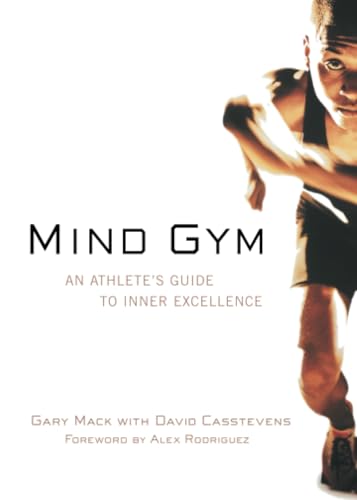
by Gary Mack and David Casstevens
Drawing on his career as a sports psychology consultant to athletes in the NBA, NFL, NHL, and Major League Baseball, Gary Mack presents forty concise lessons on the mental side of athletic performance. Each chapter combines practical mental training exercises with real-world anecdotes from elite athletes, covering topics from concentration and confidence to handling pressure and overcoming performance anxiety.
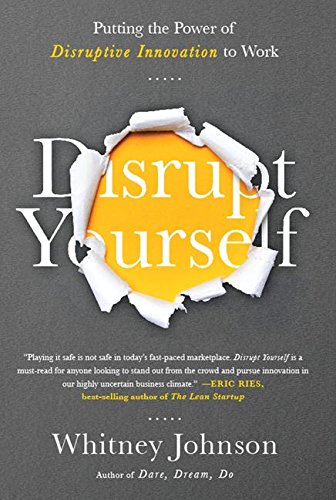
by Whitney Johnson
Johnson argues the best career moves come from disrupting yourself, leaping to a new learning curve before the current one plateaus. Personal disruption requires embracing beginner discomfort.
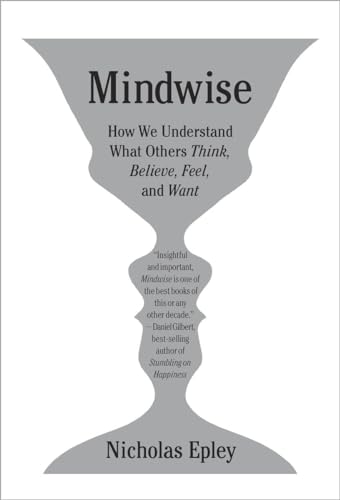
by Nicholas Epley
Epley reveals we are far worse at reading minds than we think - our confidence routinely outstrips accuracy. The best remedy isn't more intuition but simply asking people directly.
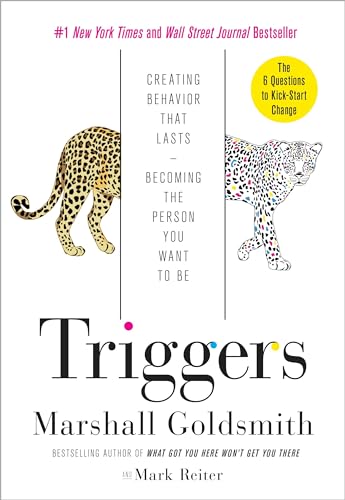
by Marshall Goldsmith
Goldsmith identifies the environmental triggers that derail behavioural change, even with the best intentions. Lasting improvement requires structure, active questions, and constant vigilance.
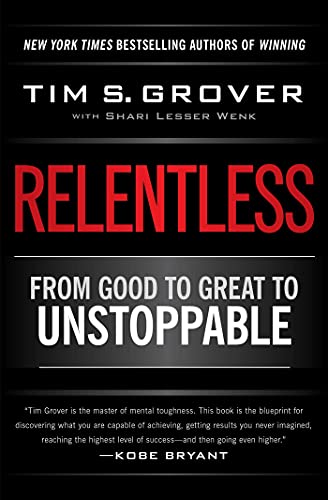
by Tim S. Grover
Legendary trainer Tim Grover, who worked with Michael Jordan, Kobe Bryant, and Dwyane Wade, reveals the ruthless mental framework that separates elite competitors from everyone else. Grover categorizes performers into three tiers (Coolers, Closers, and Cleaners) and argues that truly unstoppable athletes are driven by an insatiable dark side, an addiction to pressure, and an unwillingness to settle that goes far beyond talent or physical conditioning.
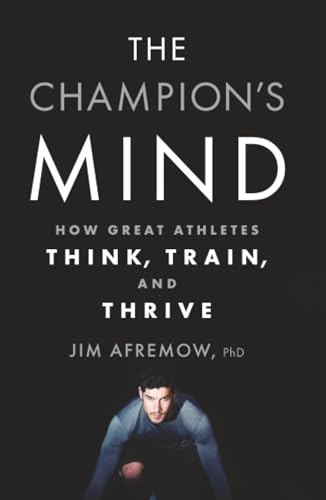
by Jim Afremow
Sports psychologist Jim Afremow distills his experience working with Olympic and professional athletes into a practical guide for developing the mental skills that separate good athletes from great ones. Covering visualization, self-talk, goal-setting, and pre-performance routines, the book provides actionable techniques grounded in high-performance psychology research that athletes at any level can use to get in the zone and sustain excellence.
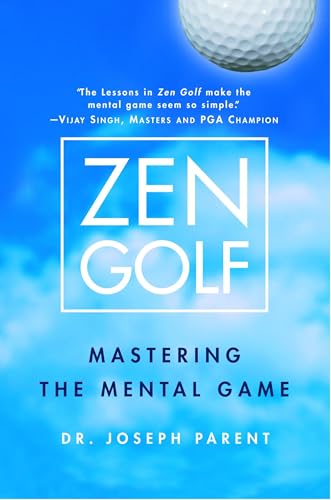
by Dr. Joseph Parent
Sport psychologist Dr. Joseph Parent blends Zen Buddhist philosophy with practical golf psychology to help players overcome the mental obstacles that sabotage their game. Through accessible lessons on awareness, acceptance, and commitment, the book teaches golfers how to quiet their minds, stay present on every shot, and transform frustration into focused performance on the course.
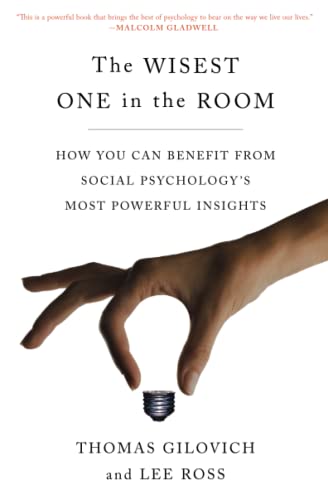
by Thomas Gilovich
Gilovich and Ross show how social psychology's insights - situational power, construal, naive realism - explain why smart people misjudge others and themselves. Wisdom beats raw intelligence.
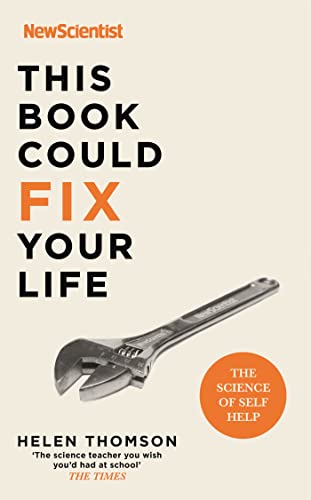
by Helen Thomson
New Scientist journalist Helen Thomson distils the best recent scientific research on happiness, habits, confidence, sleep, intelligence, and relationships into evidence-based advice. Every claim is backed by peer-reviewed studies, not celebrity wisdom.