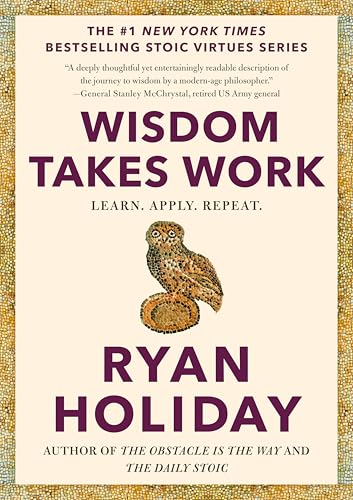
Wisdom Takes Work

Wisdom Takes Work

by Ryan Holiday

star4.3

The fourth and final book in Holiday's Stoic Virtues series explores wisdom as a lifelong practice, not a destination. Drawing on Montaigne, Emerson, Marcus Aurelius, and Seneca, Holiday argues that wisdom is earned through study, humility, and relentless self-examination.

Published:
Pages:
320
Buy on Amazon

In the Conversation

In this collection, Wisdom Takes Work references 30 other books.

It draws on Meditations, Letters from a Stoic and The Essays.

Scroll down to read the exact passages where other authors reference this book and what they say about it.

What Wisdom Takes Work Draws On

30

The books Holiday references and why each one mattered to the argument.

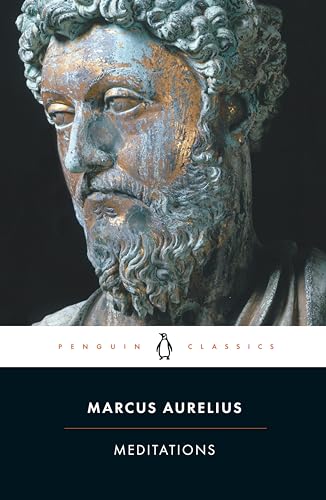
Marcus Aurelius's Meditations is referenced throughout. Holiday says he has read it "over a hundred times" and uses it as the model for private reflective writing. Book 1 on "Debts and Lessons" is cited multiple times.

Throughout

Meditations

References

Meditations

by Marcus Aurelius

Buy

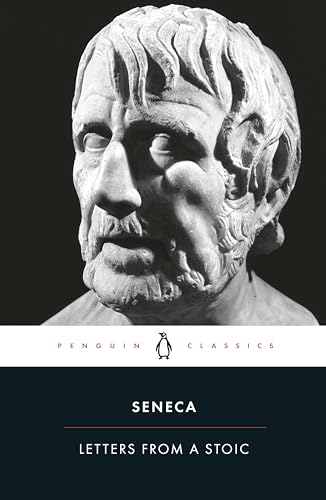
Seneca's Letters from a Stoic is a primary source across chapters, including Letter 2 on reading "like a scout in the enemy's camp," Letter 27 on outsourcing wisdom, and Letter 46 "On Learning Wisdom In Old Age."

Throughout

Letters from a Stoic

References

Letters from a Stoic

by Seneca

Buy

Montaigne's Essays are described as "at the center of it all" for the chapter on Montaigne. Holiday prefers the Penguin Classics edition and names "On the Cannibals", "On Idleness", "On Fear", "On Educating Children", and "On Experience" as favourites.

A Most Unusual Education

The Essays

References

The Essays

by Michel de Montaigne

Buy

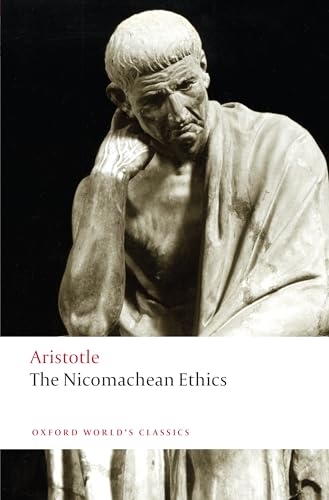
Aristotle's description of virtue as "a kind of craft, something to pursue just as one pursues the mastery of any profession" is quoted from the Nicomachean Ethics to frame the book's central argument about wisdom as practice.

The Four Virtues

Nicomachean Ethics

References

Nicomachean Ethics

by Aristotle

Buy

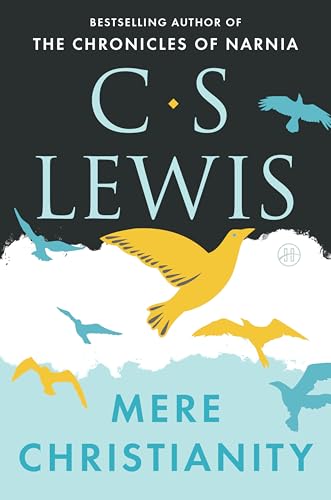
Holiday calls Mere Christianity "definitely about faith and God and Christianity — which doesn't always appeal to me — but it's really about the meaning of life and why we should be good people." C.S. Lewis's etymology of "cardinal virtues" is drawn from this book.

The Four Virtues

Mere Christianity

References

Mere Christianity

by C. S. Lewis

Buy

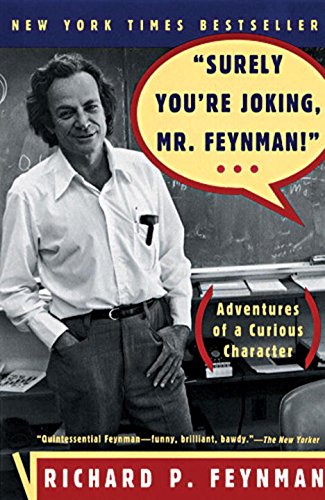
Surely You're Joking, Mr. Feynman! is cited across multiple chapters as a source for Feynman's contrarian habits, curiosity, and the stories Holiday uses to illustrate thinking for yourself and going deep.

Ask the Question, Go Deep

Surely You're Joking, Mr. Feynman!

References

Surely You're Joking, Mr. Feynman!

by Richard Feynman

Buy

What Other Authors Say About It

No books citing this title yet.

Intellectual Lineage

How ideas flow through the citation network. Ancestors are books this title builds on; descendants are books that build on it.

Unexpected Connections

Books from completely different categories that share citation overlap with this one. These are the reads you would not find by browsing a single shelf.

If you liked this, try

Books with the highest citation overlap within the same categories.

Citation Network

This book and its direct connections. Hover a node to see its title, click to visit.

Books this book cites
Books that cite this book
Larger dot = more connections
Wisdom Takes WorkMan's Search for MeaningMeditations

Hover a node to highlight its connections. Click to open the book page. Node size reflects total citation links.