Why We Sleep
by Matthew Walker
star4.4
Walker presents evidence that sleep deprivation damages memory, immunity, and lifespan. Eight hours is not optional, it is the single most effective thing you can do for health.
- Published:
- Pages:
- 368
by Matthew Walker
Walker presents evidence that sleep deprivation damages memory, immunity, and lifespan. Eight hours is not optional, it is the single most effective thing you can do for health.
In this collection, Why We Sleep references 1 other book and is cited by 7 other books.
It draws on Thinking, Fast and Slow.
It’s picked up by Outlive, Stolen Focus and How to Change Your Mind and 4 others.
Scroll down to read the exact passages where other authors reference this book and what they say about it.
Why We Sleep is the book that other health and science authors reach for when they need to make the case that sleep is non-negotiable. Peter Attia treats it as a longevity pillar in Outlive, Matt Richtel cites Walker's finding that one night of poor sleep drops natural-killer-cell activity by 70 percent, and Bill Bryson leans on it for his chapter on sleep in The Body.
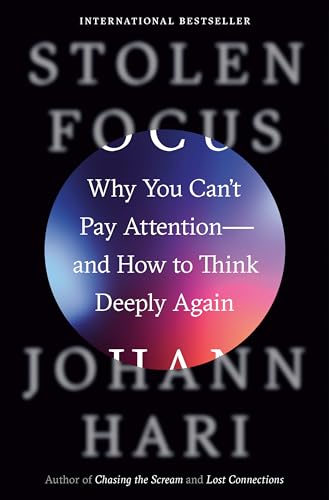
Johann Hari draws on Walker in Stolen Focus to argue that sleep deprivation is a core driver of attention collapse, while James Nestor and Satchin Panda extend Walker's research into breathing and circadian science respectively. The book is widely praised for making the science alarming and actionable, though some researchers have flagged that Walker occasionally overstates findings or presents correlational data as causal.
The books Walker references and why each one mattered to the argument.
Walker cites Kahneman on sleep deprivation impairing cognition.
The exact passages where other authors bring up “Why We Sleep” and what they take from it.
Attia references Walker's Why We Sleep on sleep as longevity pillar.
Hari draws on Matthew Walker's Why We Sleep to argue that sleep deprivation is a core, under-recognised driver of the collective attention collapse.
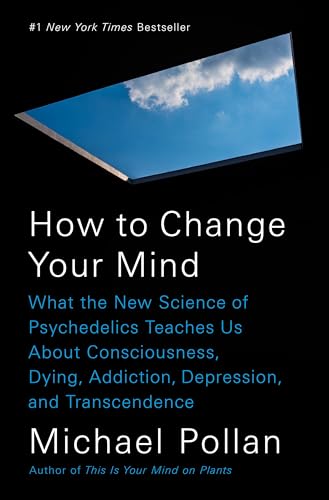
Pollan cites Walker's Why We Sleep research on REM dreaming when discussing how psychedelics and dream states share mechanisms of loosening the default-mode network's grip on cognition.
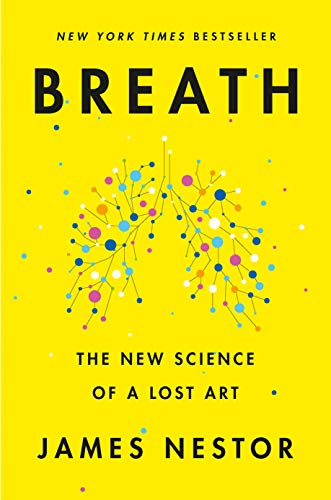
Nestor draws on Walker's sleep research to explain how mouth breathing fragments sleep architecture and drives apnea, reinforcing the book's case for nasal breathing at night
Panda builds directly on Walker's sleep science to show how light exposure at the wrong time shifts the master clock and degrades both sleep and metabolism
Richtel cites Walker's sleep science to show how one night of poor sleep drops natural-killer-cell activity by 70 percent
How ideas flow through the citation network. Ancestors are books this title builds on; descendants are books that build on it.
Directly cites
Directly cited by
Books from completely different categories that share citation overlap with this one. These are the reads you would not find by browsing a single shelf.

Hooked
Nir Eyal
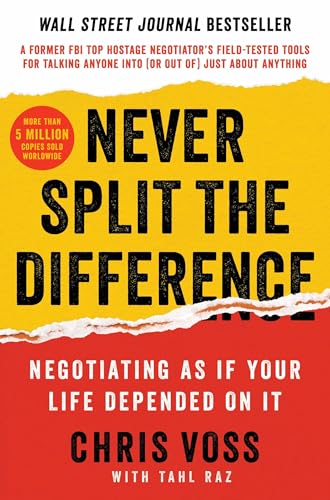
Never Split the Difference
Chris Voss
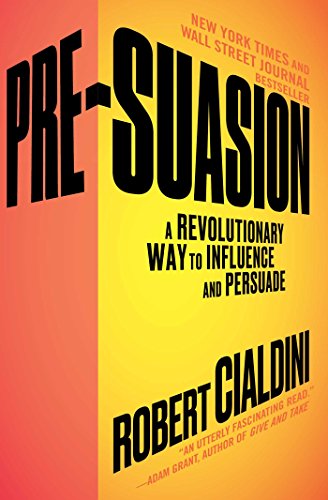
Pre-Suasion
Robert Cialdini
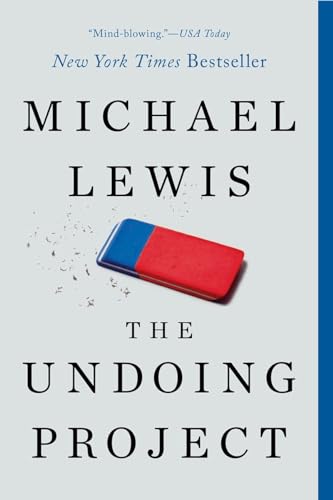
The Undoing Project
Michael Lewis
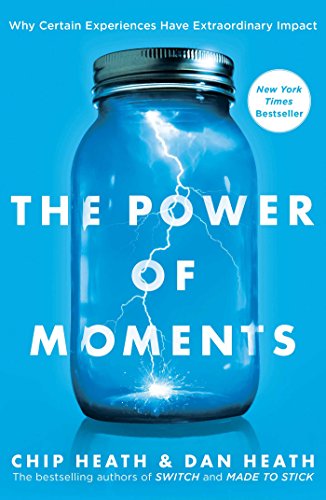
The Power of Moments
Chip Heath
Payoff
Dan Ariely
Books with the highest citation overlap within the same categories.
This book and its direct connections. Hover a node to see its title, click to visit.
Hover a node to highlight its connections. Click to open the book page. Node size reflects total citation links.