Digital Minimalism
by Cal Newport
star4.1
Newport argues that compulsive phone use erodes focus, solitude, and meaningful connection. He offers a practical philosophy for reclaiming attention in a noisy digital world.
- Published:
- Pages:
- 304
by Cal Newport
Newport argues that compulsive phone use erodes focus, solitude, and meaningful connection. He offers a practical philosophy for reclaiming attention in a noisy digital world.
In this collection, Digital Minimalism references 2 other books and is cited by 4 other books.
It draws on Deep Work and Essentialism.
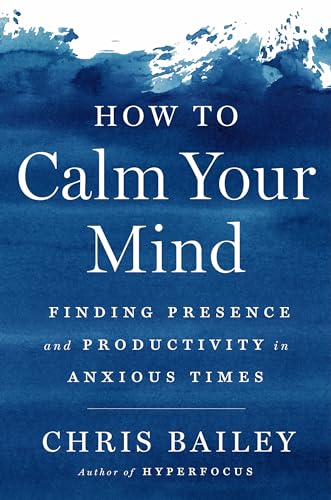
It’s picked up by Slow Productivity: The Lost Art of Accomplishment Without Burnout, How to Calm Your Mind: Finding Presence and Productivity in Anxious Times and The Anxious Generation: How the Great Rewiring of Childhood Is Causing an Epidemic of Mental Illness and 1 others.
Scroll down to read the exact passages where other authors reference this book and what they say about it.
Digital Minimalism is praised as a practical philosophy for reclaiming attention in an age of compulsive phone use, and its influence has rippled into parenting, workplace design, and mental health conversations. Jonathan Haidt draws on Newport's thesis in The Anxious Generation to support phone-free schools and delayed smartphone access for children, while Chris Bailey credits the book's framework for his own work on building calm through intentional analog activities.
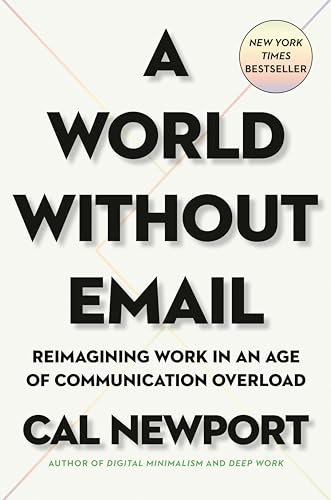
Cal Newport himself has extended the book's logic into workplace communication and slow productivity in subsequent works. Readers appreciate that Newport goes beyond simply telling people to use their phones less -- he offers a structured philosophy of intentional technology use -- though some find his prescriptions demanding and better suited to knowledge workers than to people whose livelihoods depend on digital platforms.
The books Newport references and why each one mattered to the argument.
Digital Minimalism directly follows Deep Work.
Newport references McKeown's essentialism on intentional technology use.
The exact passages where other authors bring up “Digital Minimalism” and what they take from it.
Draws on Digital Minimalism's philosophy of intentional subtraction, reframing it as a workload management principle rather than a personal-tech principle
Draws heavily on Newport's Digital Minimalism thesis that reclaiming attention from digital stimulation requires intentional analog replacement activities, not mere subtraction
Haidt draws on Newport's Digital Minimalism philosophy to support his proposed solutions, including delaying smartphone access and creating phone-free schools to restore conditions for healthy childhood development
Newport references his own Digital Minimalism (2019) as a complementary investigation into technology's effect on attention. Both books were sold to Portfolio at the same time, though Digital Minimalism was published first.
Chapter 2
How ideas flow through the citation network. Ancestors are books this title builds on; descendants are books that build on it.
Directly cites
Books from completely different categories that share citation overlap with this one. These are the reads you would not find by browsing a single shelf.
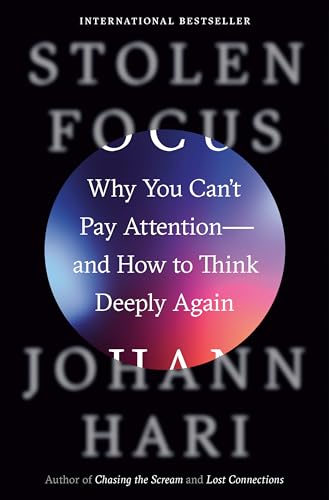
Stolen Focus
Johann Hari
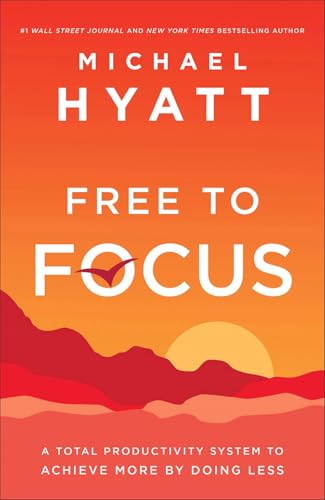
Free to Focus: A Total Productivity System to Achieve More by Doing Less
Michael Hyatt
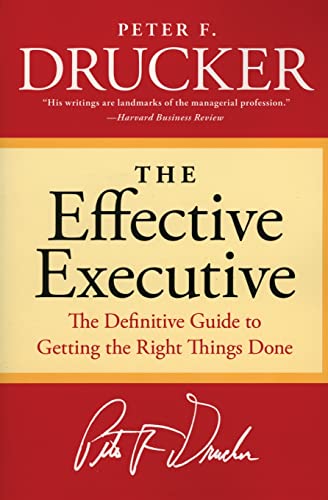
The Effective Executive
Peter Drucker
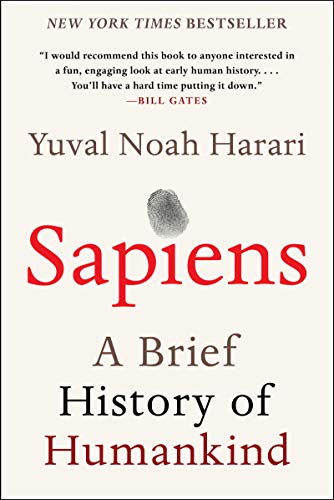
Sapiens
Yuval Noah Harari
The Coddling of the American Mind
Jonathan Haidt
Hyperfocus: How to Be More Productive in a World of Distraction
Chris Bailey
Books with the highest citation overlap within the same categories.

Deep Work
Cal Newport
3 shared citations
Four Thousand Weeks
Oliver Burkeman
3 shared citationsStolen Focus
Johann Hari
3 shared citations
Atomic Habits
James Clear
2 shared citations
Slow Productivity: The Lost Art of Accomplishment Without Burnout
Cal Newport
2 shared citationsFree to Focus: A Total Productivity System to Achieve More by Doing Less
Michael Hyatt
2 shared citationsThis book and its direct connections. Hover a node to see its title, click to visit.
Hover a node to highlight its connections. Click to open the book page. Node size reflects total citation links.