Four Thousand Weeks
by Oliver Burkeman
star4.1
Burkeman argues that four thousand weeks is all you get, so productivity hacks are a trap. The real challenge is accepting your finitude and choosing what to deliberately neglect.
- Published:
- Pages:
- 288
by Oliver Burkeman
Burkeman argues that four thousand weeks is all you get, so productivity hacks are a trap. The real challenge is accepting your finitude and choosing what to deliberately neglect.
In this collection, Four Thousand Weeks references 4 other books and is cited by 2 other books.
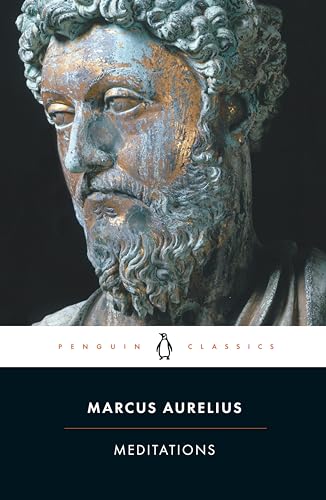
It draws on Getting Things Done, Deep Work and Meditations.
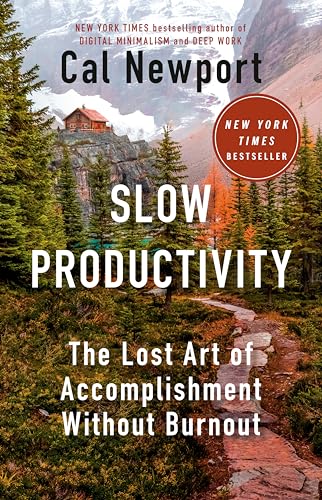
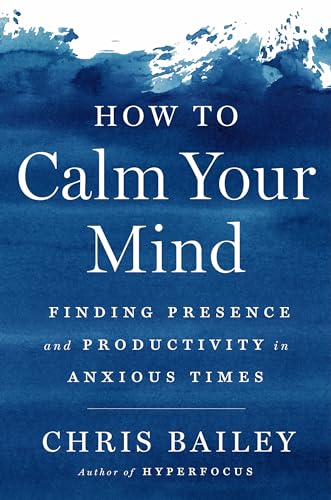
It’s picked up by Slow Productivity: The Lost Art of Accomplishment Without Burnout and How to Calm Your Mind: Finding Presence and Productivity in Anxious Times.
Scroll down to read the exact passages where other authors reference this book and what they say about it.
Four Thousand Weeks is praised for offering a genuinely different perspective on productivity -- one that starts with the unsettling acceptance that you will never get everything done. Cal Newport explicitly engages with Burkeman's finitude argument in Slow Productivity, accepting the premise but offering a more operational response focused on structuring work around natural rhythms. Chris Bailey pairs Burkeman's philosophical grounding with practical calm-building techniques for anxious times.
Readers describe the book as a relief from the relentless optimization of most productivity literature, finding Burkeman's writing warm, funny, and oddly liberating. Some note that the book is stronger on diagnosis than prescription -- it convincingly dismantles the productivity treadmill but leaves readers to figure out what comes next on their own.
The books Burkeman references and why each one mattered to the argument.
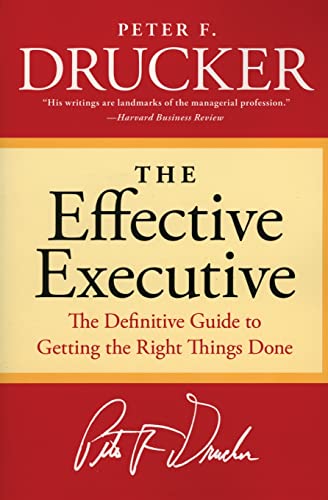
Burkeman directly critiques Allen's GTD as misguided.
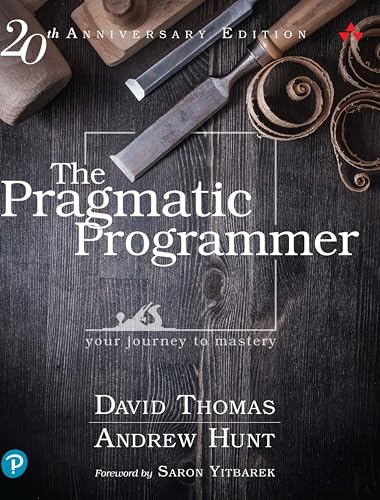
Burkeman engages with Newport's Deep Work on finite time.
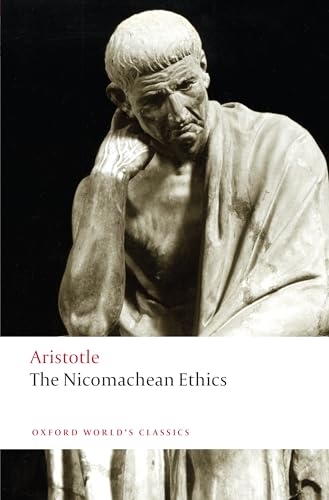
Burkeman references Marcus Aurelius on mortality.
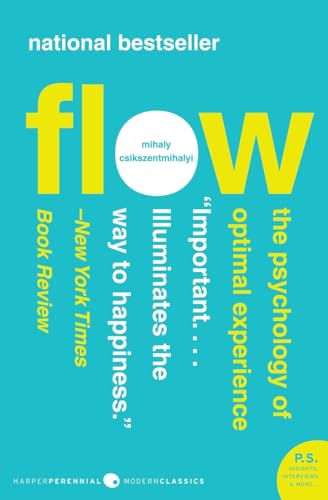
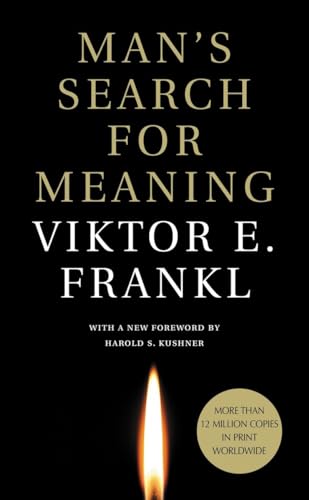
Burkeman discusses flow: immersion is valuable because weeks are finite.
The exact passages where other authors bring up “Four Thousand Weeks” and what they take from it.
Explicitly engages Burkeman's Four Thousand Weeks, accepting the finitude argument but offering a more operational response: structure work around natural rhythms rather than abandoning ambition
Engages Burkeman's Four Thousand Weeks finitude argument as the philosophical grounding for slowing down, pairing it with practical calm-building techniques
How ideas flow through the citation network. Ancestors are books this title builds on; descendants are books that build on it.
Directly cites
Directly cited by
Books from completely different categories that share citation overlap with this one. These are the reads you would not find by browsing a single shelf.
Hyperfocus: How to Be More Productive in a World of Distraction
Chris Bailey
The Organized Mind
Daniel Levitin
Stolen Focus
Johann Hari
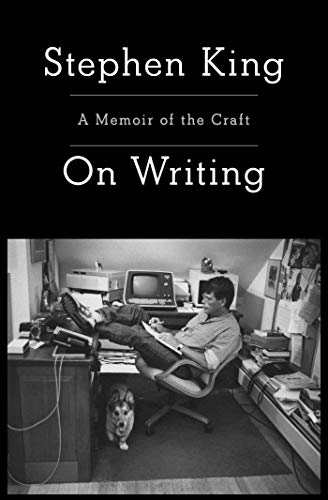
On Writing: A Memoir of the Craft
Stephen King

The Creative Act: A Way of Being
Rick Rubin
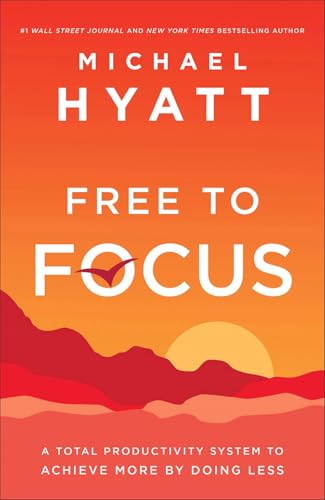
Free to Focus: A Total Productivity System to Achieve More by Doing Less
Michael Hyatt
Books with the highest citation overlap within the same categories.

Deep Work
Cal Newport
3 shared citations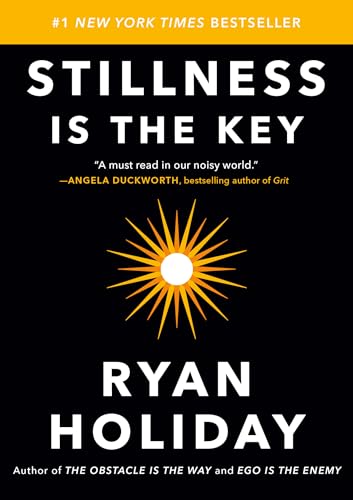
Stillness Is the Key
Ryan Holiday
3 shared citations
Digital Minimalism
Cal Newport
3 shared citationsHyperfocus: How to Be More Productive in a World of Distraction
Chris Bailey
3 shared citations
Atomic Habits
James Clear
2 shared citations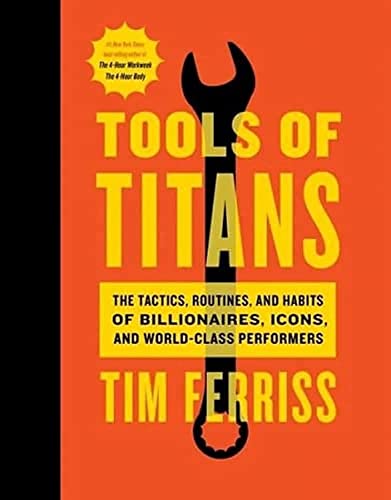
Tools of Titans
Tim Ferriss
2 shared citationsThis book and its direct connections. Hover a node to see its title, click to visit.
Hover a node to highlight its connections. Click to open the book page. Node size reflects total citation links.