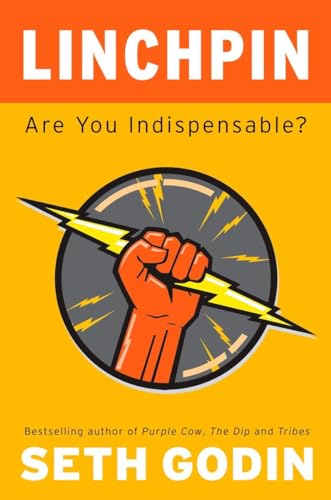
References Carnegie's How to Win Friends tradition of human connection as the foundation of the gift-giving, generosity-based model Godin outlines for indispensable work
Goal
How do I build the kind of relationships worth having?
Books on vulnerability, attachment, boundaries, and the work of loving other people well.
The conversation
15 passagesThe exact passages where one book references another on this topic. These are the connections, not our commentary.
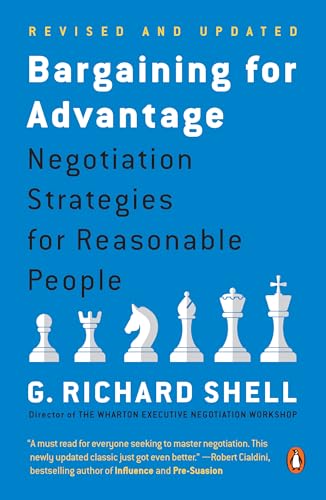
References Dale Carnegie's How to Win Friends and Influence People when describing the relationship foundation and how rapport multiplies bargaining power
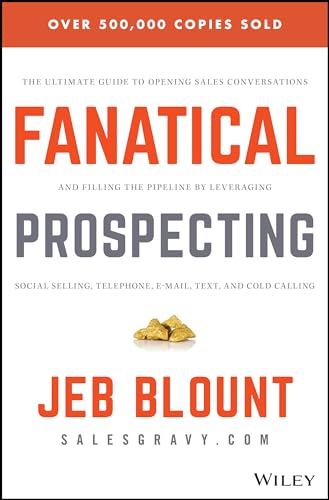
Quotes Dale Carnegie directly including Go out and get busy and builds the relationship mindset chapters on Carnegie's How to Win Friends and Influence People
Cites Carnegie's How to Win Friends and Influence People tradition of relationship-centric self-improvement in arguing that leisure-time investment in relationships belongs in the 168-hour budget alongside paid work

Invokes Frankl's Man's Search for Meaning on how human beings need a sense of being seen and mattering to another, which Johnson identifies as the core attachment need in marriage
Extends Brene Brown's Dare to Lead work on vulnerability and courage into the interpersonal domain, arguing boundaries are the operational form of self-respect
Complements Voss's Never Split the Difference on tactical empathy in negotiation, applying similar communication moves to personal relationships and family systems
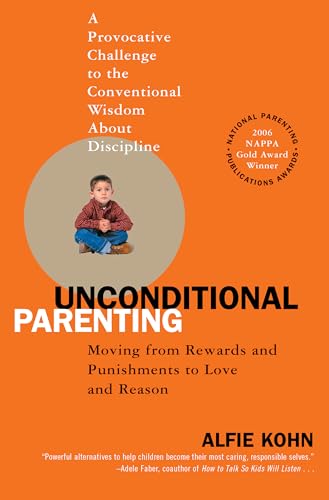
Kohn draws on Goleman's emotional intelligence framework to argue that conditional parenting damages children's emotional development, undermining the self-awareness and empathy that arise from secure, unconditional relationships
Maxwell's Law of Connection builds on Carnegie's foundational principles of building relationships and influencing people; both emphasize that leadership begins with genuine human connection
Extends Norman's analysis of human-technology interaction to social robots and online platforms, showing how their designed affordances create an illusion of intimacy that substitutes for real human connection
Kaufman includes Carnegie's classic as foundational business reading, arguing that relationship skills are the most undervalued asset in business.

Voss explains that his FBI negotiation techniques exploit the cognitive biases Kahneman identified. Understanding System 1 thinking helps negotiators use tactical empathy to influence decisions.

References Cialdini's persuasion research to illustrate how marketers exploit psychological vulnerabilities

Brown discusses Goleman's EI for empathy and leadership.
Covey discusses Carnegie's How to Win Friends as Personality Ethic.

Books in this conversation
12Books that appear most often in citations on this topic, or that other authors reference when writing about it.

How to Win Friends and Influence People
by Dale Carnegie
Referenced in 20 citations on this topic
Emotional Intelligence
by Daniel Goleman
Referenced in 12 citations on this topic

Dare to Lead
by Brene Brown
Referenced in 6 citations on this topic

Hold Me Tight: Seven Conversations for a Lifetime of Love
by Sue Johnson
Referenced in 4 citations on this topic
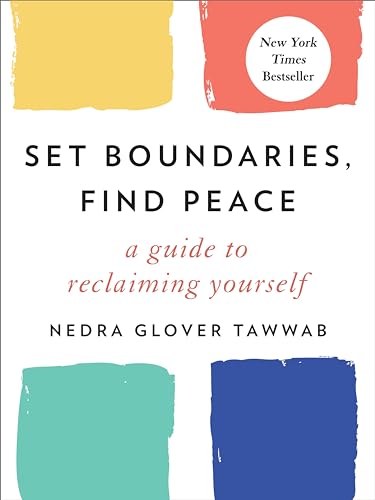
Set Boundaries, Find Peace: A Guide to Reclaiming Yourself
by Nedra Glover Tawwab
Referenced in 4 citations on this topic
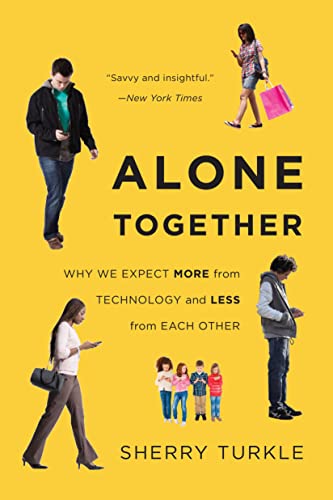
Alone Together: Why We Expect More from Technology and Less from Each Other
by Sherry Turkle
Referenced in 3 citations on this topic
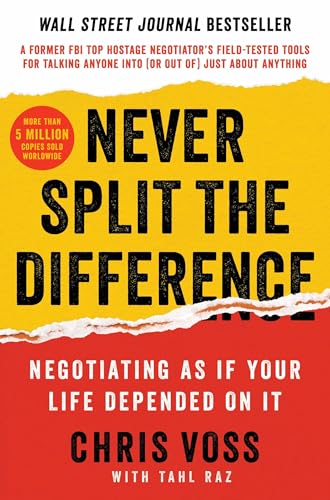
Never Split the Difference
by Chris Voss
Referenced in 3 citations on this topic
The Tao Te Ching
by Lao Tzu
Referenced in 3 citations on this topic
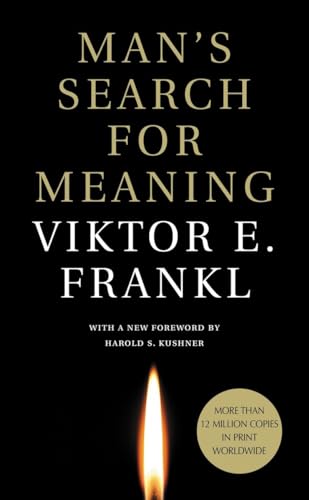
Man's Search for Meaning
by Viktor Frankl
Referenced in 3 citations on this topic

Attached: The New Science of Adult Attachment and How It Can Help You Find--and Keep--Love
by Amir Levine and Rachel Heller
Referenced in 2 citations on this topic
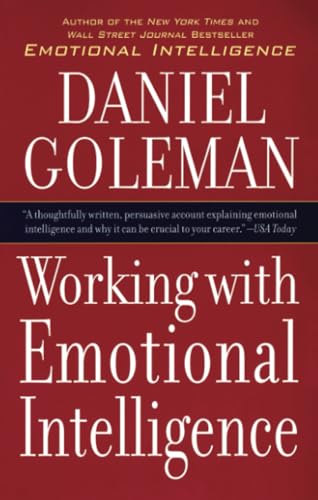
Working with Emotional Intelligence
by Daniel Goleman
Referenced in 2 citations on this topic
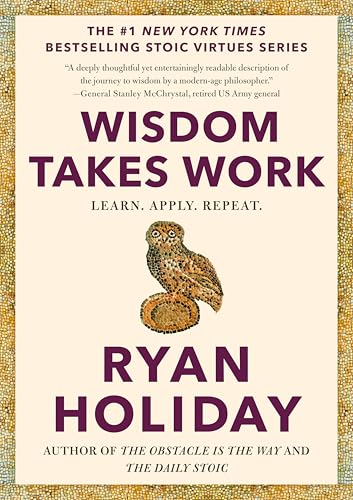
Wisdom Takes Work
by Ryan Holiday
Referenced in 3 citations on this topic