Harari draws on Kahneman's cognitive bias research to argue that human decision-making is fundamentally irrational, undermining the Enlightenment assumption of the rational individual.
Goal
How do I make better decisions and avoid my own blind spots?
Books that keep coming up in conversations about cognitive bias, judgement, and rational thinking.
The conversation
15 passagesThe exact passages where one book references another on this topic. These are the connections, not our commentary.
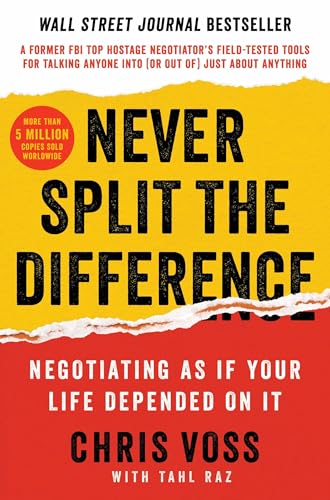
Voss explains that his FBI negotiation techniques exploit the cognitive biases Kahneman identified. Understanding System 1 thinking helps negotiators use tactical empathy to influence decisions.
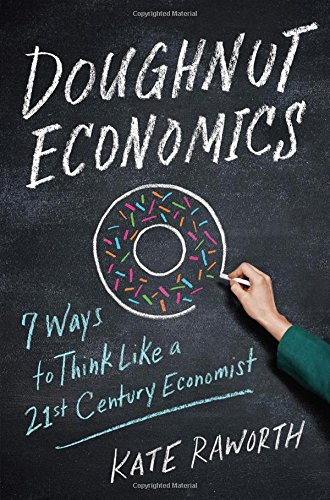
Raworth cites Kahneman's work on cognitive biases to demolish the 'rational economic man' caricature, arguing economics must be rebuilt around System 1 thinking and bounded rationality
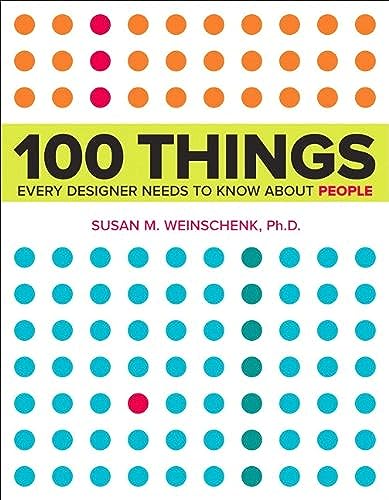
The chapter on decision-making and irrational behavior draws on Ariely's research from Predictably Irrational to explain how cognitive biases affect user choices in interfaces
Kahneman's dual-process model is discussed at length in Chapter 10 on wisdom. Thomson explains how System 1 and System 2 thinking underpins cognitive biases and decision-making, and notes how the model has become "one of the most widely accepted ideas in psychology" since the book's publication.

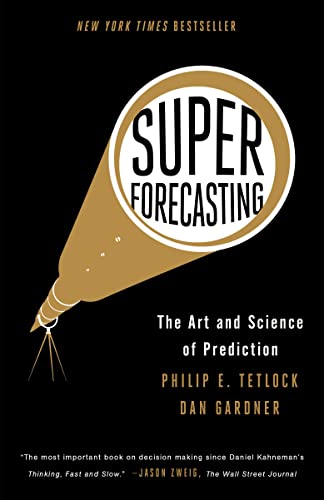
Tetlock builds directly on Kahneman's cognitive bias research, testing whether some people can actually overcome the biases Kahneman identified. The Wall Street Journal called it "the most important book on decision making since Thinking, Fast and Slow."
Dobelli cites Kahneman's research on cognitive biases including anchoring, availability heuristic, and loss aversion throughout

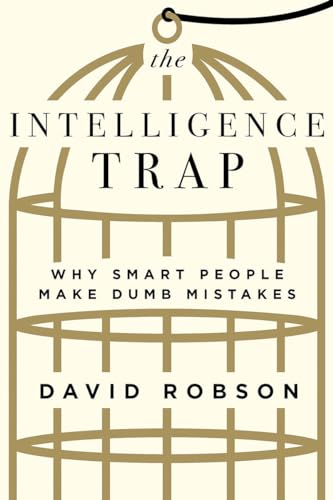
Robson engages extensively with Kahneman's work on cognitive biases and how even experts fall prey to heuristic thinking
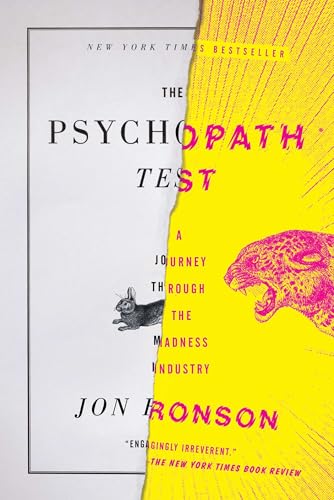
Ronson references Kahneman's research on how cognitive biases shape clinical judgements.
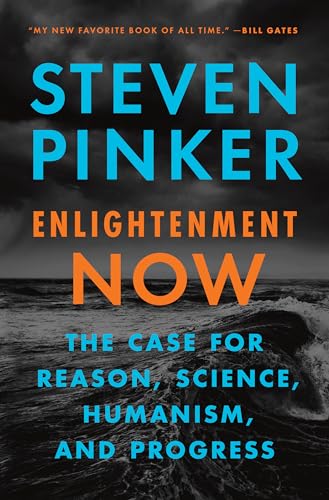
Pinker draws heavily on Kahneman's Thinking, Fast and Slow, invoking System 1 biases like the availability heuristic and negativity bias to explain why news consumers perceive the world as worsening.
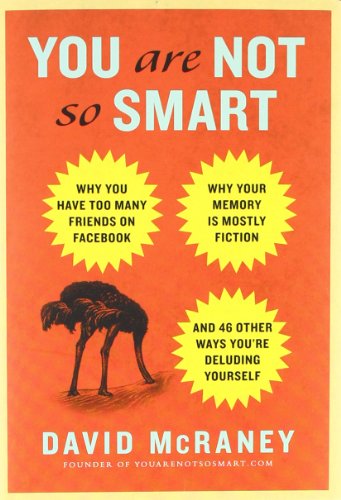
Repeatedly draws on Kahneman and Tversky's framing, anchoring, and availability research when explaining heuristics and cognitive biases
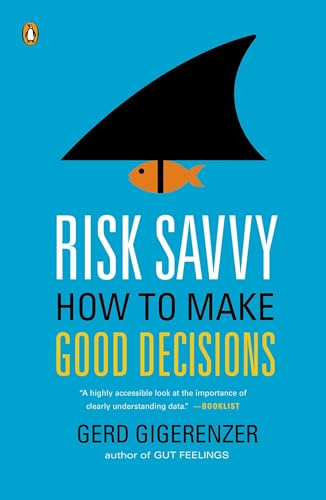
Engages critically with Kahneman's Thinking, Fast and Slow, disputing the heuristics-and-biases framing and arguing that simple heuristics are rational under uncertainty
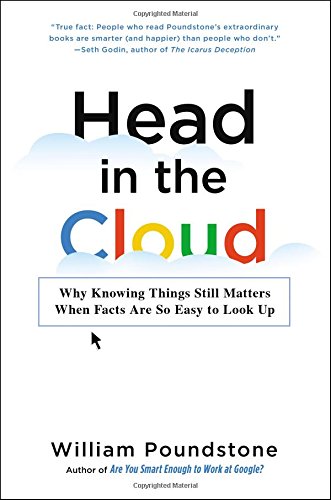
Draws on Kahneman's Thinking, Fast and Slow on System 1 associative memory and the availability heuristic to explain why background knowledge speeds fluent judgement
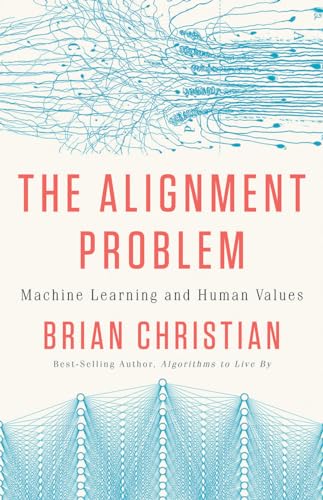
Draws extensively on Kahneman's Thinking, Fast and Slow framework of cognitive biases to explain how human heuristics encoded in training data cause machine learning models to inherit and amplify systematic errors
Draws on Kahneman's Thinking, Fast and Slow analysis of anchoring bias and base-rate neglect to explain how algorithmic scoring systems bake cognitive biases into automated decision-making at unprecedented scale

Books in this conversation
12Books that appear most often in citations on this topic, or that other authors reference when writing about it.

Thinking, Fast and Slow
by Daniel Kahneman
Referenced in 134 citations on this topic

Predictably Irrational
by Dan Ariely
Referenced in 22 citations on this topic

Influence
by Robert Cialdini
Referenced in 12 citations on this topic
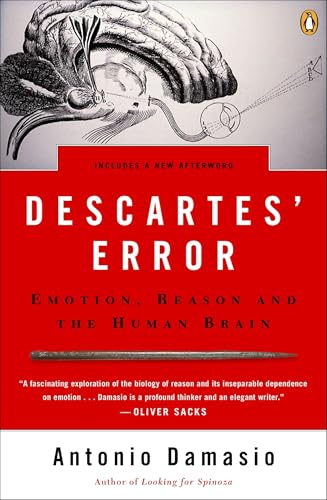
Descartes' Error
by Antonio Damasio
Referenced in 8 citations on this topic
Blink
by Malcolm Gladwell
Referenced in 7 citations on this topic

Nudge
by Richard Thaler
Referenced in 7 citations on this topic
Emotional Intelligence
by Daniel Goleman
Referenced in 7 citations on this topic
Stumbling on Happiness
by Daniel Gilbert
Referenced in 7 citations on this topic

Atomic Habits
by James Clear
Referenced in 6 citations on this topic
Sources of Power
by Gary Klein
Referenced in 5 citations on this topic
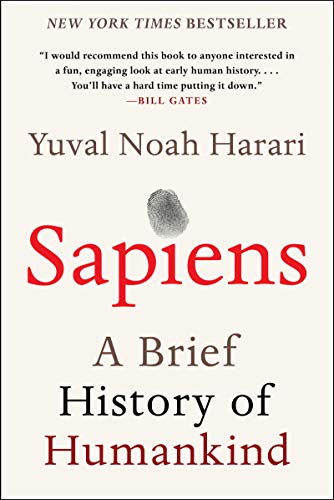
Sapiens
by Yuval Noah Harari
Referenced in 5 citations on this topic
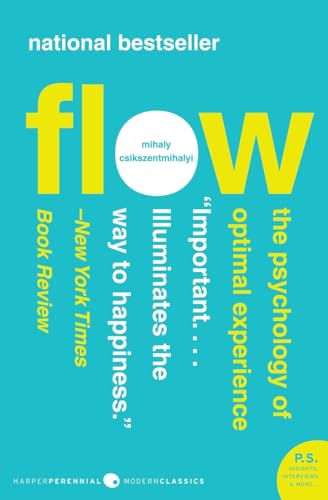
Flow
by Mihaly Csikszentmihalyi
Referenced in 5 citations on this topic