Clear cites Sinek's "start with why" framework in his discussion of identity-based habits, arguing that lasting change starts with who you want to become, not what you want to achieve.
Goal
How do I build habits that actually stick?
Books other authors reach for when writing about habit, routine, and lasting behaviour change.
The conversation
15 passagesThe exact passages where one book references another on this topic. These are the connections, not our commentary.

Clear references Dweck's growth mindset research as foundational to identity-based habit change. Believing you can change is the first step to actually changing.
McKeown directly quotes Collins, warning against "the undisciplined pursuit of more" that derails companies after initial success. Essentialism applies this principle to individual productivity.
“We must avoid what Jim Collins calls the undisciplined pursuit of more.”
Holiday quotes Collins directly to warn against ego-driven expansion after success. "We must avoid what Jim Collins terms the undisciplined pursuit of more" appears as a cautionary principle.
“We must avoid what the business strategist Jim Collins terms the undisciplined pursuit of more.”
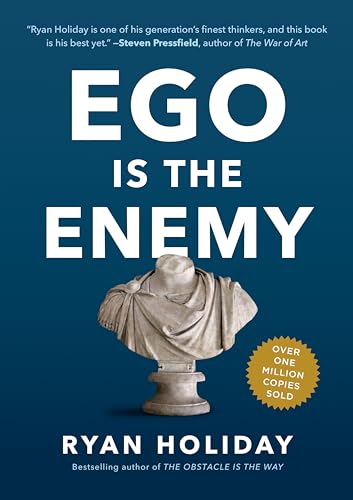
Duckworth explores how deliberate practice and persistent habits shape expertise. She draws on Duhigg's research into keystone habits to show how small behavioural changes cascade into transformative outcomes.
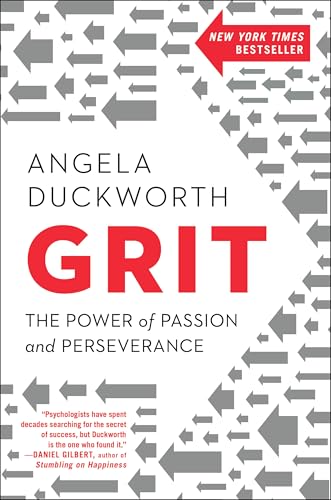
Duhigg references flow on habitual routines producing engagement.
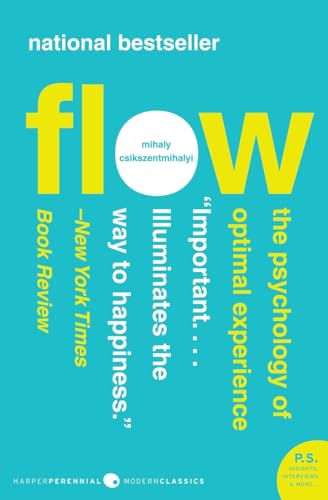
Keller cites Duhigg on keystone habits creating domino effect.

Cites Clear's Atomic Habits thesis that identity-based habits - showing up as the kind of person who ships - beat outcome-based goals for creative practitioners
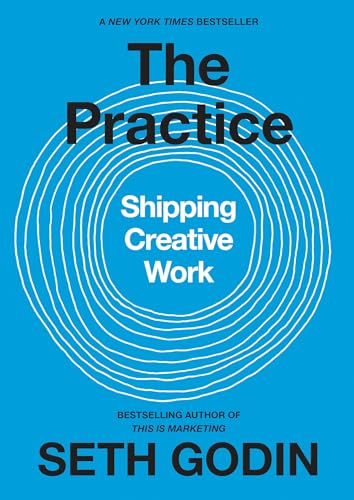
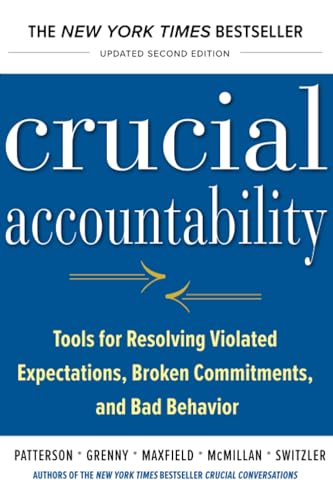
References Duhigg's Power of Habit research on cue-routine-reward loops when diagnosing why violated expectations persist even after confrontation
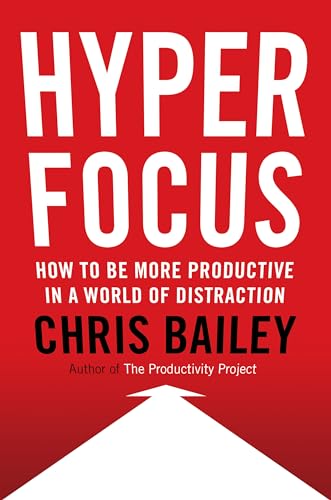
Uses Duhigg's Power of Habit cue-routine-reward model to explain how distraction loops form and how attention habits can be engineered
Features an extended interview with Charles Duhigg and uses the Power of Habit cue-routine-reward framework to analyze productivity habits
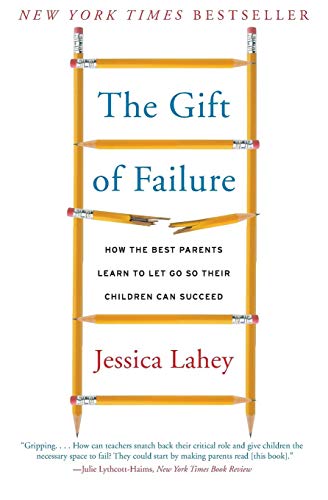
Lahey references Duhigg's research on habit formation from The Power of Habit, discussing how children develop autonomous routines and self-regulation habits when parents step back from micromanageing daily tasks
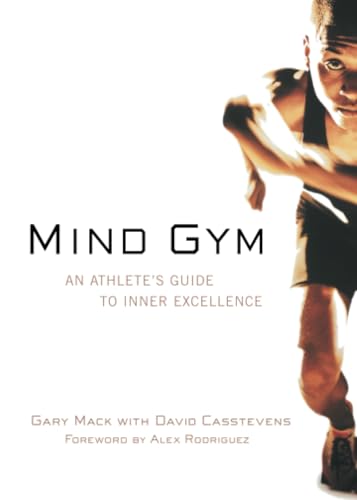
Mack's lesson structure on proactive mental habits for athletes parallels Covey's principle-centreed approach, emphasizing that championship performance begins with disciplined internal habits
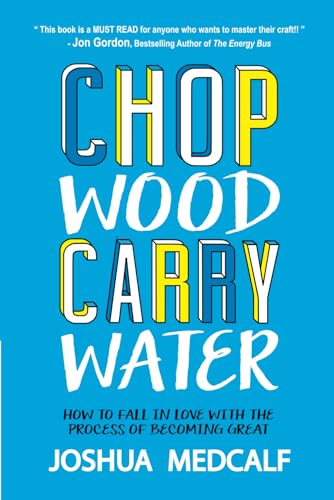
Medcalf's emphasis on character-driven daily discipline and process over outcomes aligns with Covey's principle-centreed framework, where proactive habits and beginning with the end in mind create the foundation for long-term greatness
Clear references Cialdini's persuasion research to explain how social norms shape our habits. We unconsciously copy the behaviours of the groups we belong to.
Books in this conversation
12Books that appear most often in citations on this topic, or that other authors reference when writing about it.

The Power of Habit
by Charles Duhigg
Referenced in 24 citations on this topic

Atomic Habits
by James Clear
Referenced in 23 citations on this topic

The 7 Habits of Highly Effective People
by Stephen Covey
Referenced in 19 citations on this topic

Influence
by Robert Cialdini
Referenced in 14 citations on this topic

Good to Great
by Jim Collins
Referenced in 10 citations on this topic
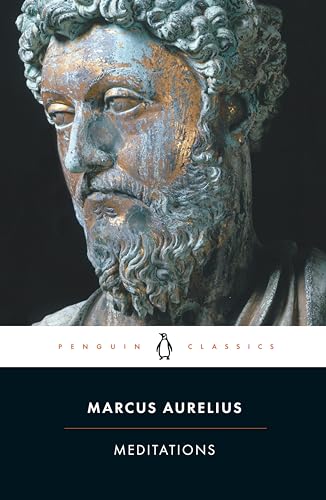
Meditations
by Marcus Aurelius
Referenced in 6 citations on this topic
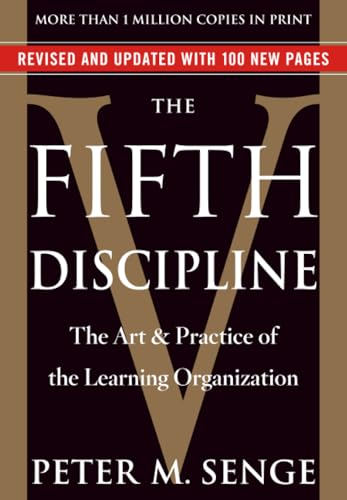
The Fifth Discipline
by Peter Senge
Referenced in 6 citations on this topic

Thinking, Fast and Slow
by Daniel Kahneman
Referenced in 5 citations on this topic

Hooked
by Nir Eyal
Referenced in 4 citations on this topic

Essentialism
by Greg McKeown
Referenced in 4 citations on this topic
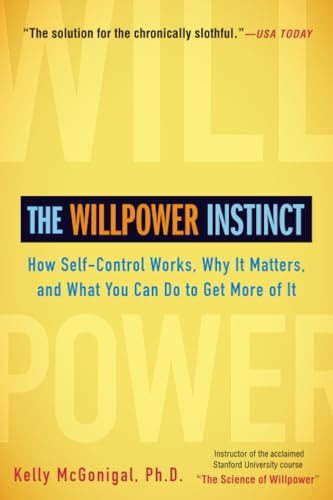
The Willpower Instinct
by Kelly McGonigal
Referenced in 4 citations on this topic

Mindset
by Carol Dweck
Referenced in 3 citations on this topic