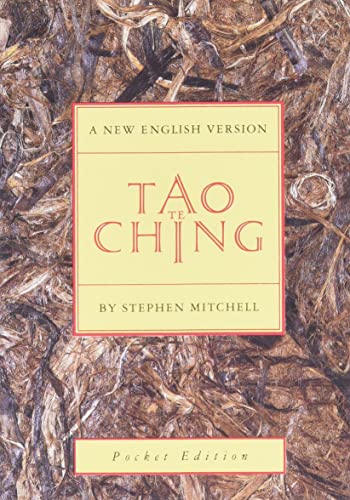
The Tao Te Ching
by Lao Tzu
star4.3
Lao Tzu's ancient text argues that true strength lies in yielding, not forcing. The Tao - the natural way of things - rewards simplicity, humility, and effortless action.
- Pages:
- 128
by Lao Tzu
Lao Tzu's ancient text argues that true strength lies in yielding, not forcing. The Tao - the natural way of things - rewards simplicity, humility, and effortless action.
In this collection, The Tao Te Ching is cited by 15 other books.
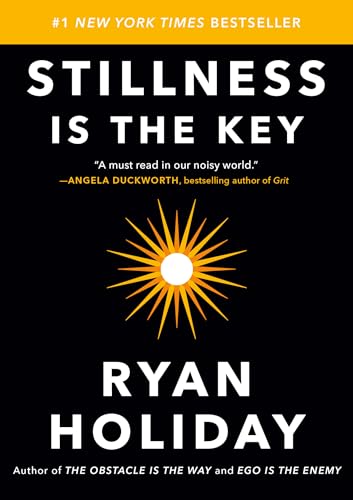
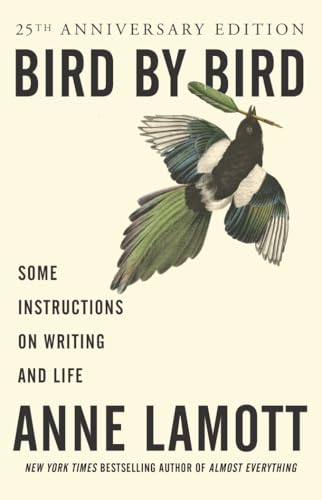
It’s picked up by Stillness Is the Key, Bird by Bird: Some Instructions on Writing and Life and The Creative Act: A Way of Being and 12 others.
Scroll down to read the exact passages where other authors reference this book and what they say about it.
The Tao Te Ching is one of the most universally referenced spiritual texts in the modern nonfiction landscape, influencing writers across creativity, mindfulness, philosophy, and personal growth. Rick Rubin draws explicitly on its concept of wu wei and emptiness in The Creative Act, Alan Watts treats it as foundational to Zen in The Way of Zen, and Jon Kabat-Zinn describes his mindfulness approach as rooted in both Buddhist and Taoist contemplative traditions.
Teachers from Eckhart Tolle to Pema Chodron to Tara Brach echo its themes of non-resistance, acceptance, and yielding as the path to strength. Readers across traditions consistently find it startlingly relevant despite being over two thousand years old, praising its brevity and paradoxical clarity -- though its very openness to interpretation means different authors draw sometimes contradictory lessons from the same passages.
No verified citations found yet.
The exact passages where other authors bring up “The Tao Te Ching” and what they take from it.
Holiday draws on Lao Tzu's Tao Te Ching on Eastern stillness.
Lamott's 'shitty first drafts' and radical non-attachment to outcomes echo the Tao Te Ching's wu wei, which she cites implicitly in her advice to release control of the reader's response
Rubin explicitly draws on the Tao Te Ching's wu wei and emptiness-as-usefulness; his 'vessel and the filter' essay and his advice to not force outcomes are direct echoes of Lao Tzu
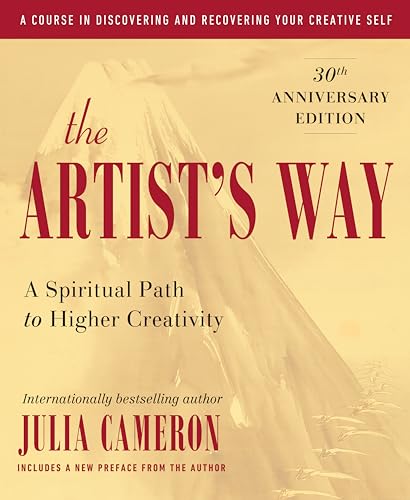
Cameron's framing of creativity as surrender to a higher creative force rather than force of will draws on Taoist wu wei as expressed in the Tao Te Ching
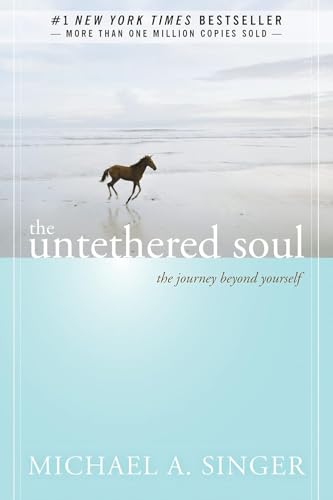
The Tao Te Ching's teaching on non-attachment and flow underlies Singer's central metaphor of letting energy pass through rather than blocking it
The Tao Te Ching is foundational to Part One; Watts argues Zen's 'flavor' is as Taoist as it is Buddhist, and Lao Tzu's teachings on wu-wei and the watercourse way run through the book
How ideas flow through the citation network. Ancestors are books this title builds on; descendants are books that build on it.
Directly cited by
2 steps forward
Books from completely different categories that share citation overlap with this one. These are the reads you would not find by browsing a single shelf.
Flow
Mihaly Csikszentmihalyi

The War of Art
Steven Pressfield

Think and Grow Rich
Napoleon Hill

Deep Work
Cal Newport
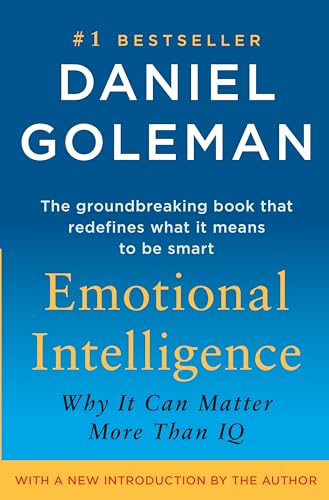
Emotional Intelligence
Daniel Goleman
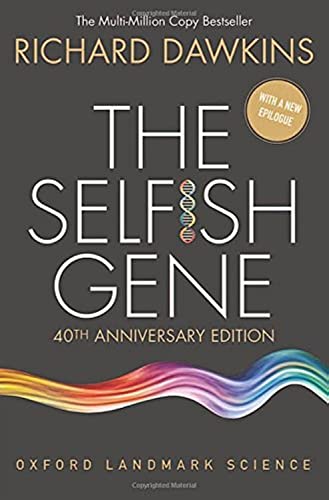
The Selfish Gene
Richard Dawkins
Books with the highest citation overlap within the same categories.
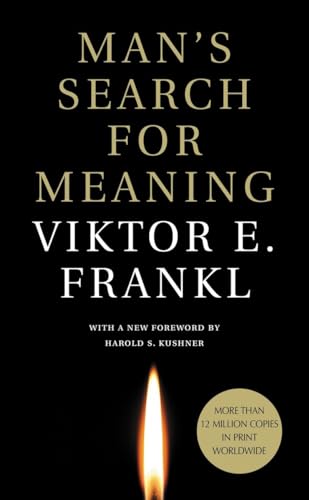
Man's Search for Meaning
Viktor Frankl
9 shared citationsFlow
Mihaly Csikszentmihalyi
5 shared citations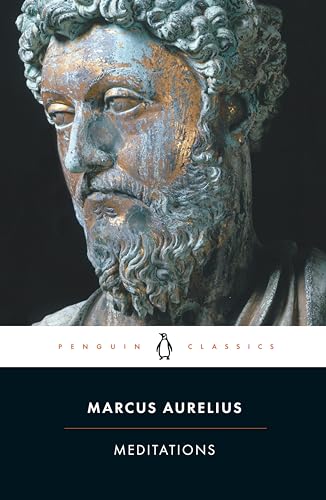
Meditations
Marcus Aurelius
5 shared citations
Beyond Good and Evil
Friedrich Nietzsche
3 shared citations
The Consolations of Philosophy
Alain de Botton
2 shared citations
Letters from a Stoic
Seneca
2 shared citationsThis book and its direct connections. Hover a node to see its title, click to visit.
Hover a node to highlight its connections. Click to open the book page. Node size reflects total citation links.