Pink explicitly updates Cialdini's contrast principle from Influence and draws on Cialdini's reciprocity and social proof research throughout the Attunement and Clarity sections
Goal
How do I get better outcomes in the conversations that actually matter?
Books on persuasion, influence and negotiation that keep showing up in other authors’ notes.
The conversation
15 passagesThe exact passages where one book references another on this topic. These are the connections, not our commentary.
Shell states he was inspired by Cialdini's Influence to write a negotiation book blending social-scientific research with storytelling, and uses Cialdini's reciprocity and consistency throughout the leverage chapters
Applies Cialdini's Influence principles of reciprocity, liking, and commitment when teaching cold outreach sequences and objection handling
References Cialdini's Influence research on reciprocity, consistency, and social proof when explaining compliance and persuasion
Weinschenk discusses Cialdini's principles of social proof and reciprocity from Influence when covering how social validation affects user behavior in digital products
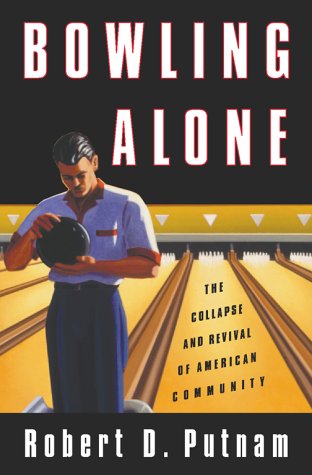
Draws on Cialdini's research on social proof and reciprocity norms to explain how declining face-to-face interaction weakens the mechanisms of mutual influence that sustain community trust
Voss explains that his FBI negotiation techniques exploit the cognitive biases Kahneman identified. Understanding System 1 thinking helps negotiators use tactical empathy to influence decisions.
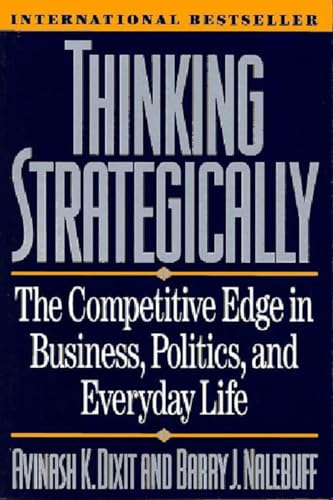
Cites Cialdini's research on commitment and reciprocity as real-world applications of game-theoretic principles
Draws explicitly on Cialdini's reciprocity principle from Influence to explain why generosity-first networking compounds into trust and favors owed

Draws on Cialdini's Influence principles of scarcity and authority when explaining how to engineer prizing, push-pull, and local star power in a pitch
Cites Ariely's Predictably Irrational research on anchoring and emotional decision-making to justify why facts alone cannot persuade investors
Draws on Gladwell's Tipping Point ideas of mavens and salesmen when explaining why only a specific rep profile tips complex deals toward the close
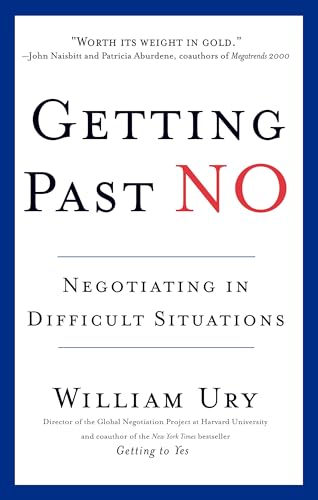
Draws on Cialdini's Influence principles of reciprocity and consistency when teaching how to step to their side and reframe hard-bargainer tactics into joint problem-solving
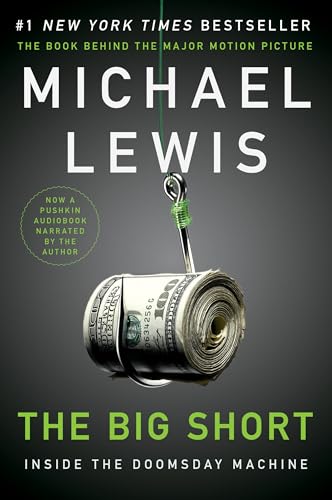
Lewis's portrait of investor psychology echoes Ariely's Predictably Irrational account of how anchoring and social proof distort financial judgement
Cites Cialdini's Influence on social proof and consistency when analyzing why tribes reinforce beliefs against contrary evidence

Books in this conversation
12Books that appear most often in citations on this topic, or that other authors reference when writing about it.

Influence
by Robert Cialdini
Referenced in 62 citations on this topic

Thinking, Fast and Slow
by Daniel Kahneman
Referenced in 13 citations on this topic

How to Win Friends and Influence People
by Dale Carnegie
Referenced in 7 citations on this topic

Predictably Irrational
by Dan Ariely
Referenced in 7 citations on this topic
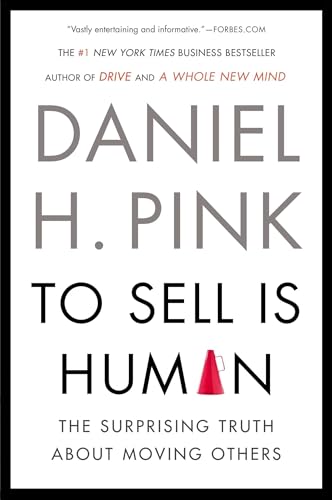
To Sell Is Human
by Daniel H. Pink
Referenced in 3 citations on this topic
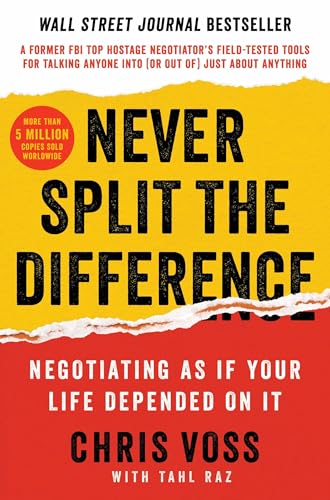
Never Split the Difference
by Chris Voss
Referenced in 3 citations on this topic
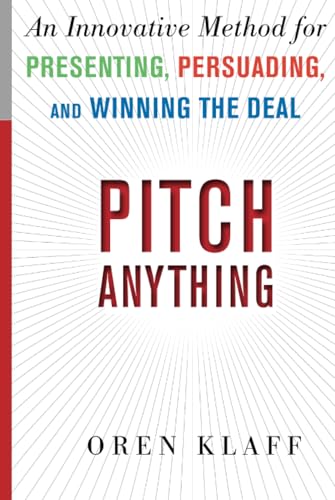
Pitch Anything
by Oren Klaff
Referenced in 3 citations on this topic
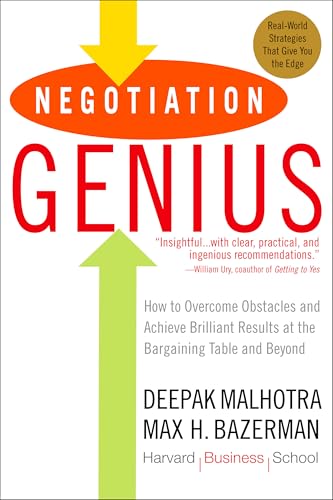
Negotiation Genius
by Deepak Malhotra and Max Bazerman
Referenced in 3 citations on this topic
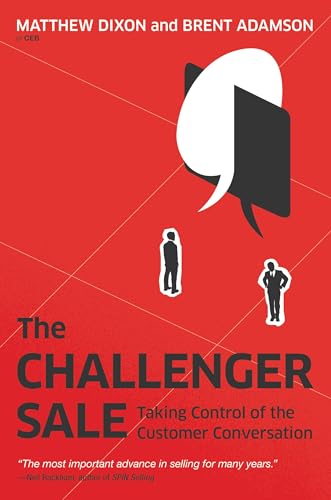
The Challenger Sale
by Matthew Dixon and Brent Adamson
Referenced in 3 citations on this topic
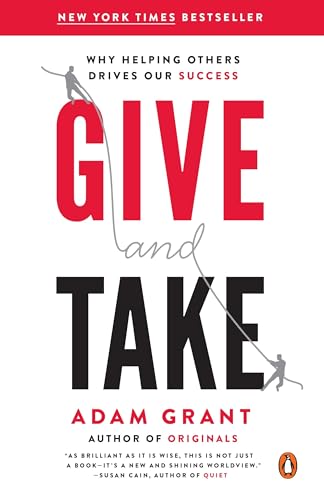
Give and Take
by Adam Grant
Referenced in 3 citations on this topic
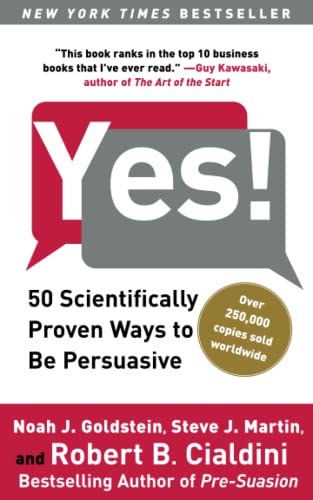
Yes! 50 Scientifically Proven Ways to Be Persuasive
by Noah J. Goldstein, Steve J. Martin, and Robert B. Cialdini
Referenced in 2 citations on this topic
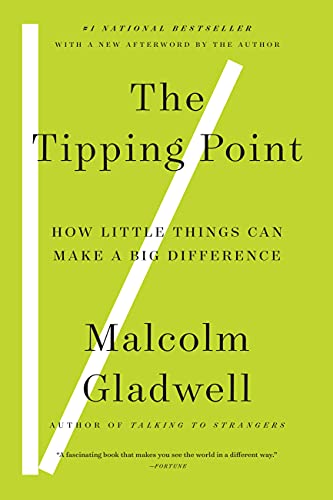
The Tipping Point
by Malcolm Gladwell
Referenced in 2 citations on this topic