Explicitly builds on The Obstacle Is the Way, extending its Stoic framework into the virtue-series treatment of courage
Goal
How do I keep going when things get hard?
The books authors reach for when writing about resilience, suffering, and the Stoic tradition.
The conversation
15 passagesThe exact passages where one book references another on this topic. These are the connections, not our commentary.
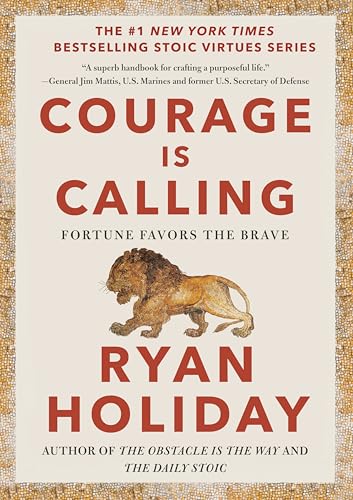
References Frankl's Man's Search for Meaning when discussing how Stoic philosophy helps find purpose amid suffering
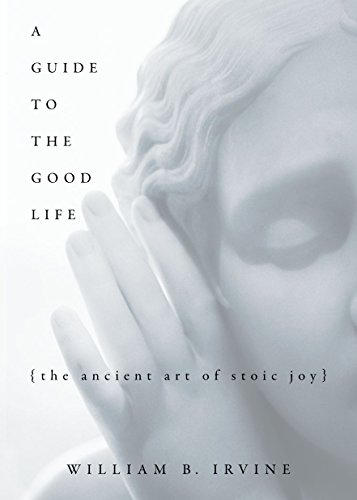
Willink's philosophy parallels Holiday's Stoic approach on obstacles.
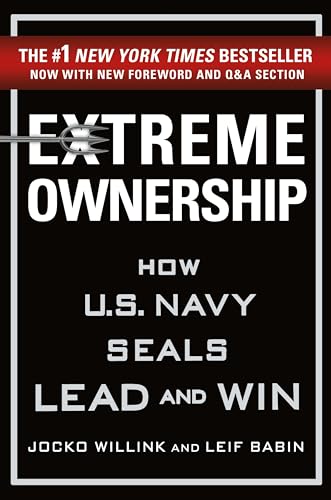
Farnsworth draws throughout on Marcus Aurelius's Meditations as one of the three primary late Stoic sources, quoting Aurelius across chapters on judgement, perspective, emotion, and virtue
Seneca's Letters to Lucilius are a foundational source, cited extensively across chapters on death, adversity, wealth, and virtue
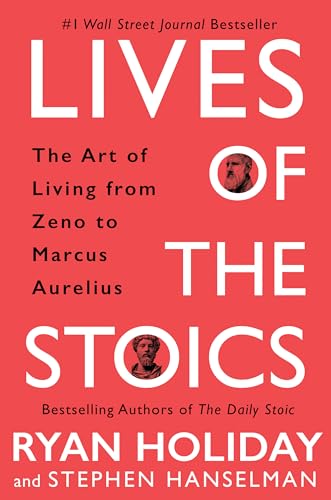
Direct extension of Holiday's Stoic project begun in The Obstacle Is the Way, applying the same primary sources to biographical narrative
Directly extends the daily-practice framework of The Daily Stoic into the virtue of temperance
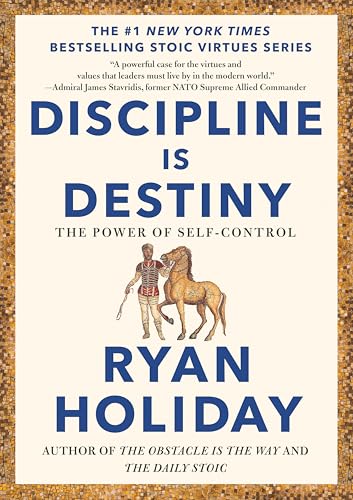
Tolle's teaching that suffering arises from identification with the ego parallels Frankl's insight in Man's Search for Meaning that finding purpose beyond the self is the key to transcending even extreme adversity.
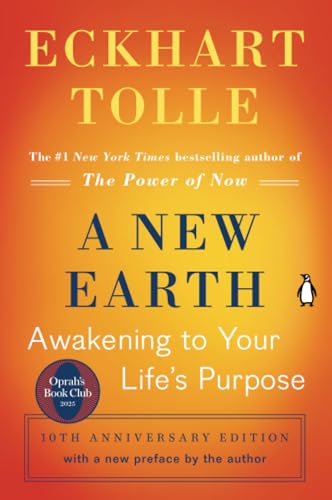
Didion's unflinching chronicle of loss and her struggle to find meaning in grief resonates with Frankl's exploration in Man's Search for Meaning of how humans construct purpose in the face of devastating suffering.

The Obstacle Is the Way is listed alongside Holiday's other works in the series as part of his broader project exploring the four cardinal virtues through ancient philosophy.
Goleman references Viktor Frankl's account of finding meaning in extreme adversity as evidence that emotional resilience is a learnable skill rather than an innate trait. Frankl appears in the chapters on hope and optimism.
The Daily Stoic is structured as 366 daily meditations, drawing its core philosophy directly from Marcus Aurelius. Each entry translates ancient Stoic wisdom into modern practical guidance.
Seneca's letters provide the second major philosophical source for The Daily Stoic. Holiday draws on Seneca's practical advice on manageing emotions, wealth, and mortality.
The book's central thesis comes directly from Marcus Aurelius: "The impediment to action advances action. What stands in the way becomes the way." Holiday builds an entire framework around this Stoic principle.
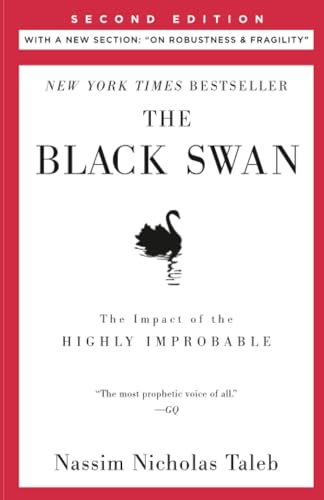
Antifragile extends the ideas Taleb introduced in The Black Swan. Where Black Swan focused on the impact of unpredictable events, Antifragile asks how to build systems that actually benefit from volatility.
Books in this conversation
12Books that appear most often in citations on this topic, or that other authors reference when writing about it.
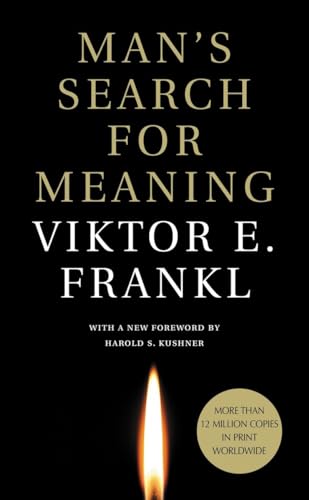
Man's Search for Meaning
by Viktor Frankl
Referenced in 26 citations on this topic
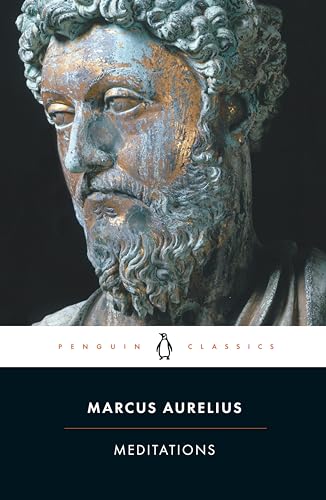
Meditations
by Marcus Aurelius
Referenced in 15 citations on this topic

The Obstacle Is the Way
by Ryan Holiday
Referenced in 12 citations on this topic
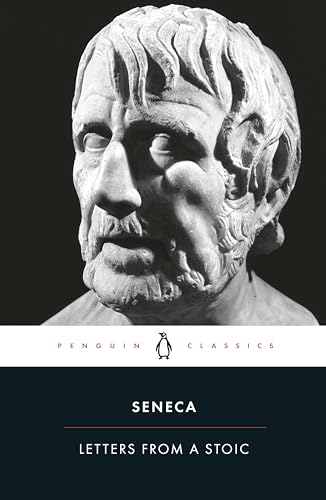
Letters from a Stoic
by Seneca
Referenced in 8 citations on this topic
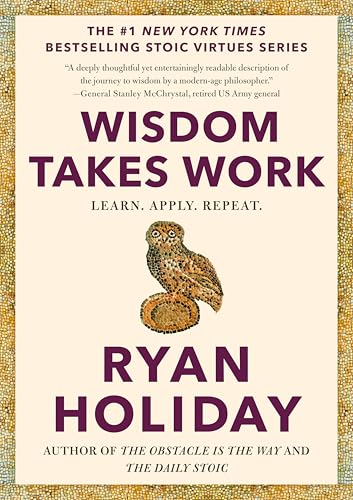
Wisdom Takes Work
by Ryan Holiday
Referenced in 7 citations on this topic
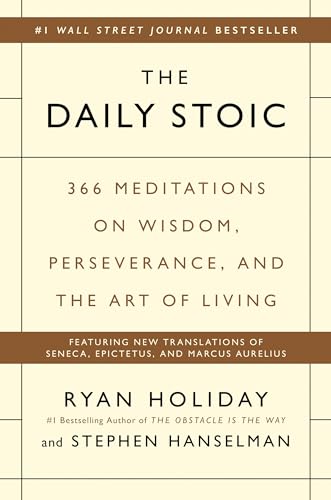
The Daily Stoic
by Ryan Holiday
Referenced in 6 citations on this topic
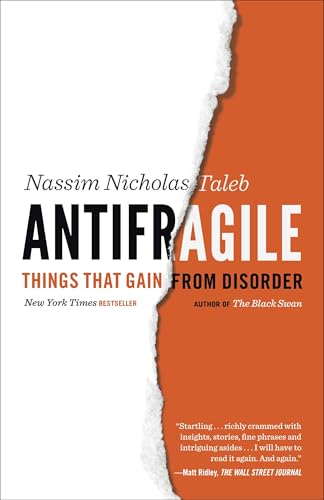
Antifragile
by Nassim Nicholas Taleb
Referenced in 5 citations on this topic
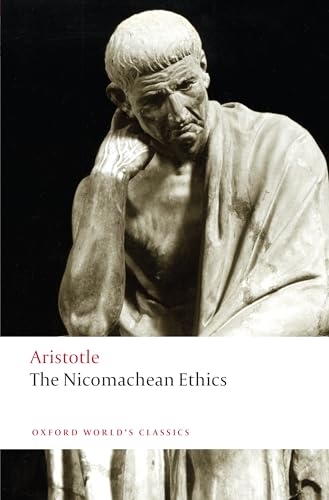
Nicomachean Ethics
by Aristotle
Referenced in 4 citations on this topic

Dare to Lead
by Brene Brown
Referenced in 4 citations on this topic
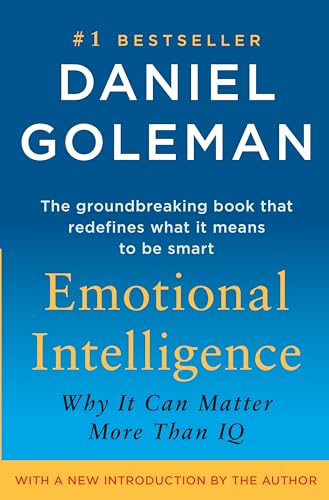
Emotional Intelligence
by Daniel Goleman
Referenced in 4 citations on this topic
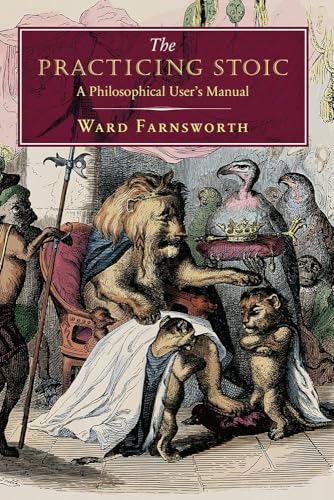
The Practicing Stoic: A Philosophical User's Manual
by Ward Farnsworth
Referenced in 3 citations on this topic
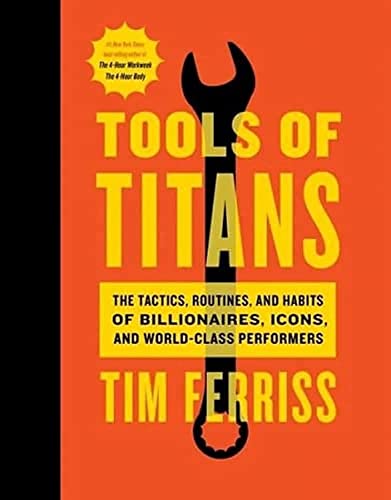
Tools of Titans
by Tim Ferriss
Referenced in 4 citations on this topic