Builds on Lencioni's Five Dysfunctions framework, noting that trust is the prerequisite for the vulnerable storytelling that surfaces a team's why
Goal
How do great leaders actually build trust and get work done through others?
The leadership, management, and culture books other authors treat as reference material.
The conversation
15 passagesThe exact passages where one book references another on this topic. These are the connections, not our commentary.
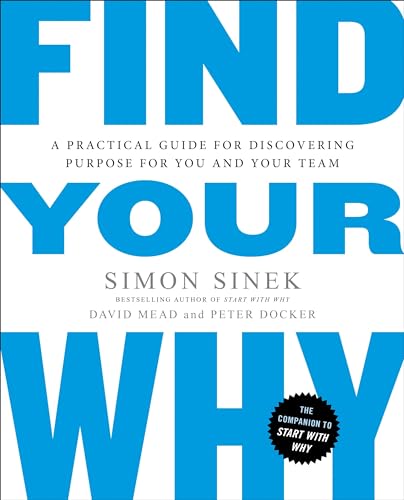
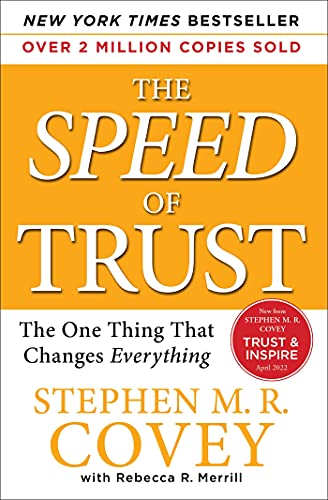
Cites Collins' Good to Great and the Level 5 leader concept when arguing that humility and character are the bedrock of high-trust organisations
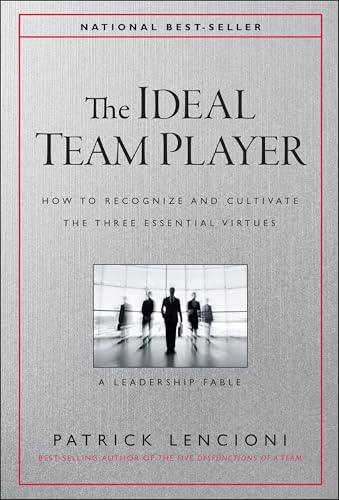
Synthesizes the trust-conflict-commitment-accountability-results model from Lencioni's own Five Dysfunctions as the foundation of Discipline 1, building a cohesive leadership team

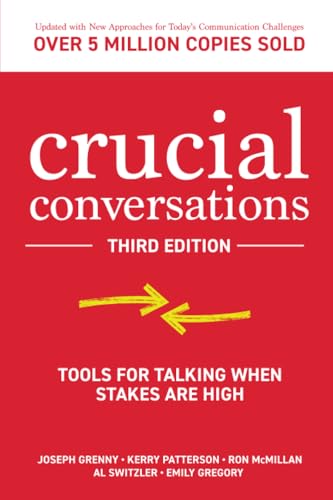
Draws on Patterson and colleagues' Crucial Conversations when describing how managers must coach team members who are missing one of the three virtues
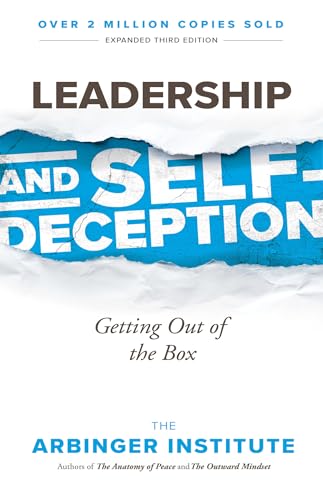
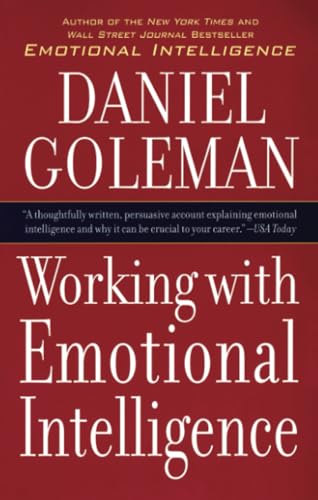
Both explore how a leader's internal emotional state radiates outward to affect team dynamics; Arbinger's self-deception concept extends Goleman's working emotional intelligence to organisational behavior
Legacy's focus on how the All Blacks create high-performing units through clear accountability, shared standards, and distributed responsibility reflects Grove's principles of high output management and leverageing organisational culture for results
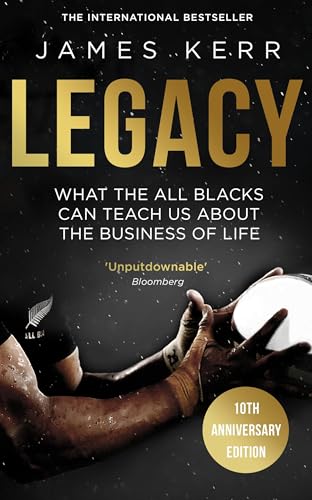
Kerr's portrayal of how the All Blacks distribute leadership throughout the team rather than centralizing it reflects Marquet's model of pushing decision-making authority to every level of the organisation

The All Blacks' cultural tenets address each of Lencioni's five team dysfunctions, building trust through vulnerability, embracing conflict for better decisions, and holding each other accountable to shared standards
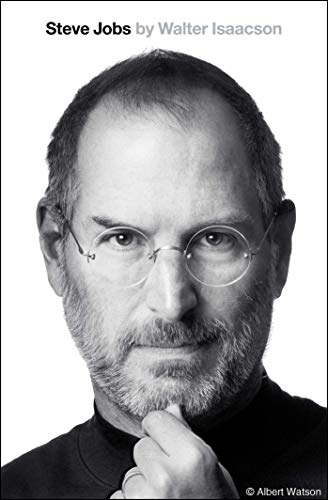
Catmull's memoir is inseparable from the Steve Jobs story. He describes decades of working alongside Jobs at Pixar, revealing how Jobs's demanding leadership style shaped the studio's creative culture.
Scott describes her own leadership journey as parallel to Catmull's at Pixar, drawing on Creativity Inc. to illustrate how building a culture of honest feedback requires both caring personally and challenging directly.

Hastings positions Netflix's radical freedom culture as a counterpoint to Catmull's Pixar approach. Both books tackle creative company culture but reach different conclusions about how much structure is needed.

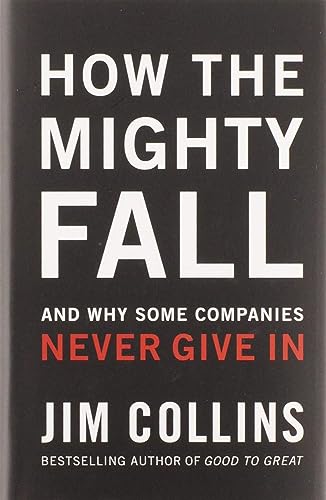
References Drucker's management principles when discussing disciplined leadership as a defence against decline
Goleman directly extends his Emotional Intelligence framework to leadership, applying it to organisational contexts

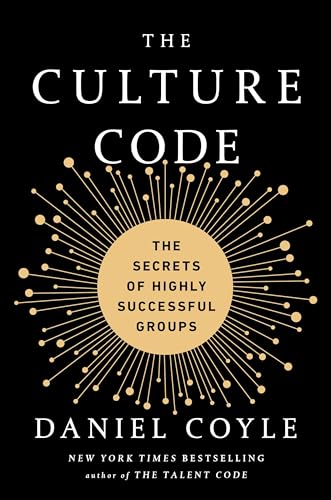
Coyle references Collins's research on great organisational culture.
Positioned by Lencioni as the individual-level companion to his own Five Dysfunctions of a Team, arguing that humble-hungry-smart people are the raw material that makes trust and productive conflict possible
Books in this conversation
12Books that appear most often in citations on this topic, or that other authors reference when writing about it.

Good to Great
by Jim Collins
Referenced in 27 citations on this topic

The Five Dysfunctions of a Team
by Patrick Lencioni
Referenced in 17 citations on this topic

High Output Management
by Andrew Grove
Referenced in 13 citations on this topic

Dare to Lead
by Brene Brown
Referenced in 9 citations on this topic
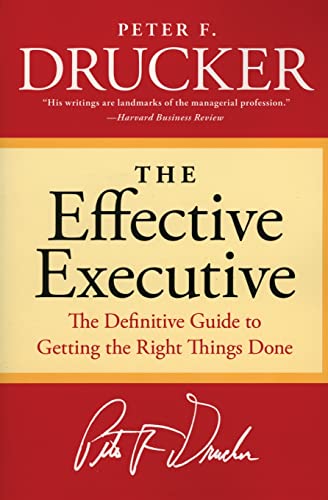
The Effective Executive
by Peter Drucker
Referenced in 10 citations on this topic

Mindset
by Carol Dweck
Referenced in 10 citations on this topic
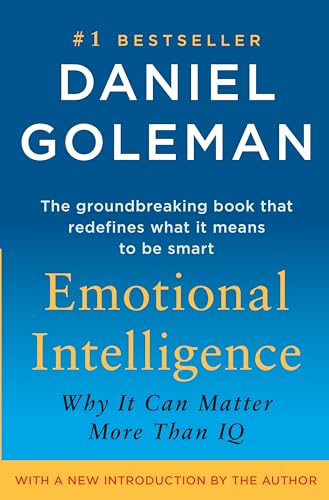
Emotional Intelligence
by Daniel Goleman
Referenced in 10 citations on this topic

The 7 Habits of Highly Effective People
by Stephen Covey
Referenced in 10 citations on this topic
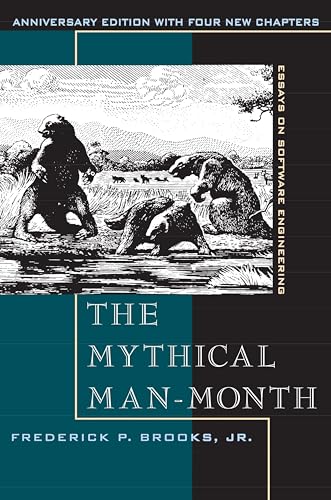
The Mythical Man-Month
by Frederick Brooks
Referenced in 8 citations on this topic

Creativity, Inc.
by Ed Catmull
Referenced in 7 citations on this topic
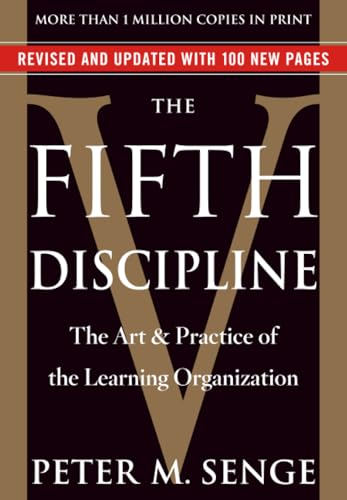
The Fifth Discipline
by Peter Senge
Referenced in 7 citations on this topic

Built to Last
by Jim Collins
Referenced in 7 citations on this topic