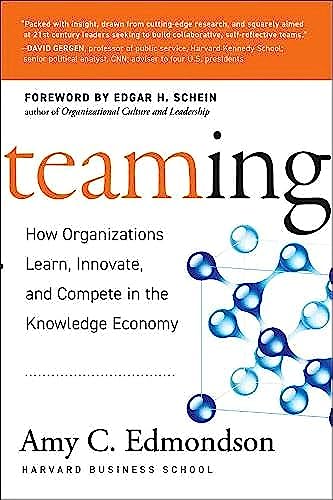
Amy Edmondson's Teaming is cited for her foundational concept of psychological safety. Brown quotes Edmondson directly: "Simply put, psychological safety" — describing it as essential to the kind of courage cultures Dare to Lead advocates for.
Goal
What do I really need, and what can I let go of?
Books on essentialism, minimalism, and the examined, less-cluttered life.
The conversation
15 passagesThe exact passages where one book references another on this topic. These are the connections, not our commentary.

Clear references Newport's deep work philosophy to argue that focused, distraction-free practice is essential for building expertise through deliberate repetition.
Newport explicitly critiques Ferriss's 4-Hour Workweek approach, arguing that the "new rich" lifestyle of minimal work misses the deep satisfaction that comes from mastering cognitively demanding tasks.

Kaufman recommends Allen's productivity system as essential for manageing the complexity of running a business without letting tasks fall through the cracks.
Kaufman includes Rework in his reading list as a counterpoint to traditional business advice, sharing its philosophy that simplicity and focus beat complex business plans.

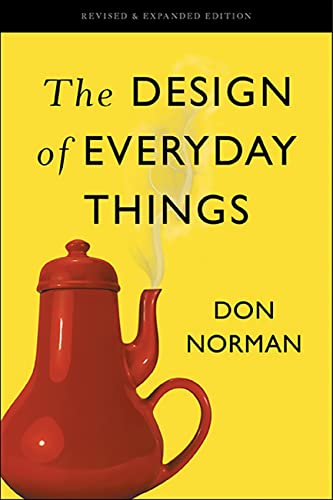
Kaufman recommends Norman's design thinking as essential business knowledge, arguing that understanding how users interact with products is fundamental to creating value.
Kaufman includes Meadows' systems thinking as essential for understanding business complexity, where cause and effect are rarely linear and unintended consequences are common.

McKeown directly quotes Collins, warning against "the undisciplined pursuit of more" that derails companies after initial success. Essentialism applies this principle to individual productivity.
“We must avoid what Jim Collins calls the undisciplined pursuit of more.”

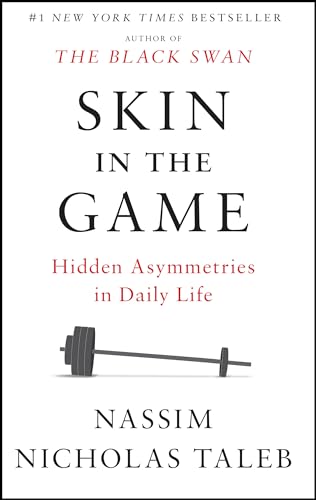
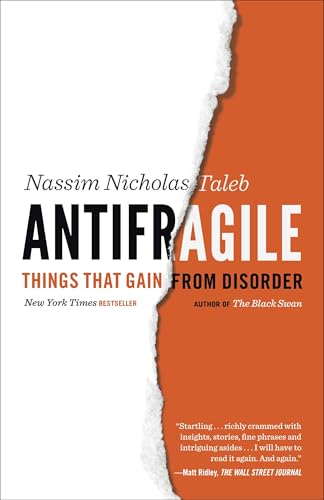
Skin in the Game extends Taleb's Incerto series. Where Antifragile asked how systems gain from disorder, Skin in the Game argues that having personal risk in the game is essential for ethical decision-making.
Munger considers Influence one of the most important books ever written on human psychology. He recommends it in his famous "mental models" framework as essential for understanding misjudgement.

Munger references The Selfish Gene as foundational to his understanding of evolutionary psychology, which he considers essential for sound investment thinking.
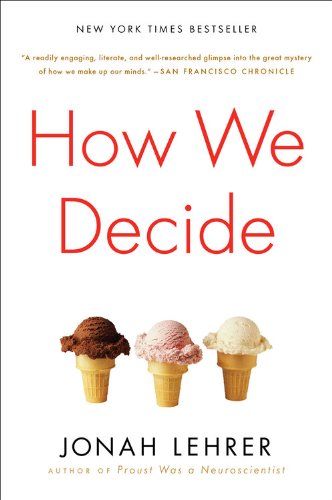
Cites Goleman's Emotional Intelligence work on how emotions are essential, not obstacles, to good decisions
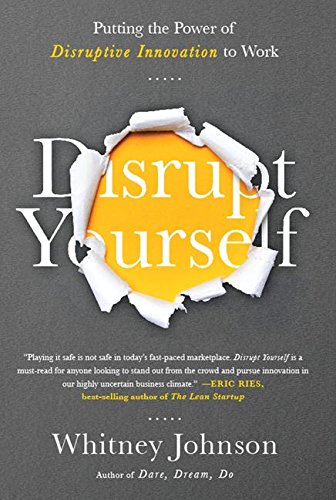
References Dweck's Mindset research on growth mindset as essential for embracing personal disruption

McKeown references Allen's GTD while arguing essentialism goes further.
Digital Minimalism directly follows Deep Work.
Books in this conversation
12Books that appear most often in citations on this topic, or that other authors reference when writing about it.

Digital Minimalism
by Cal Newport
Referenced in 6 citations on this topic

Essentialism
by Greg McKeown
Referenced in 6 citations on this topic

The Personal MBA
by Josh Kaufman
Referenced in 4 citations on this topic
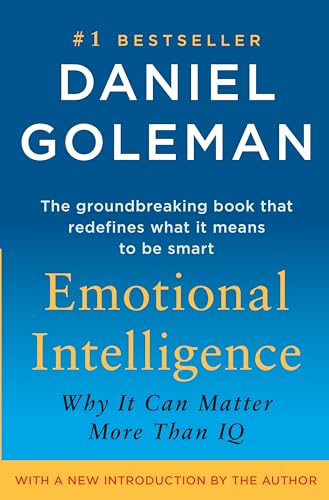
Emotional Intelligence
by Daniel Goleman
Referenced in 4 citations on this topic

Deep Work
by Cal Newport
Referenced in 3 citations on this topic

Getting Things Done
by David Allen
Referenced in 3 citations on this topic
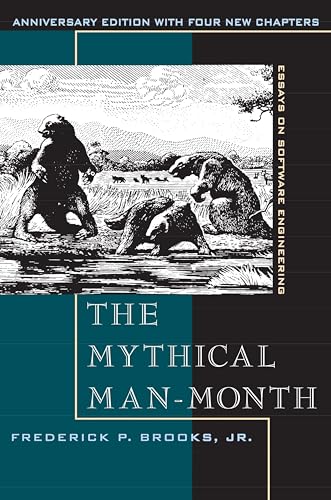
The Mythical Man-Month
by Frederick Brooks
Referenced in 3 citations on this topic

Atomic Habits
by James Clear
Referenced in 3 citations on this topic
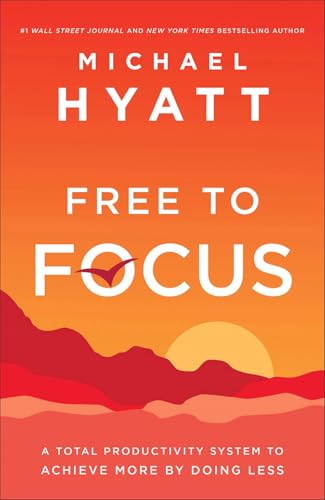
Free to Focus: A Total Productivity System to Achieve More by Doing Less
by Michael Hyatt
Referenced in 3 citations on this topic
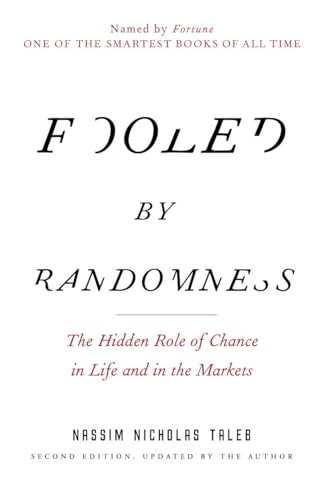
Fooled by Randomness
by Nassim Nicholas Taleb
Referenced in 2 citations on this topic

Poor Charlie's Almanack
by Charlie Munger
Referenced in 2 citations on this topic
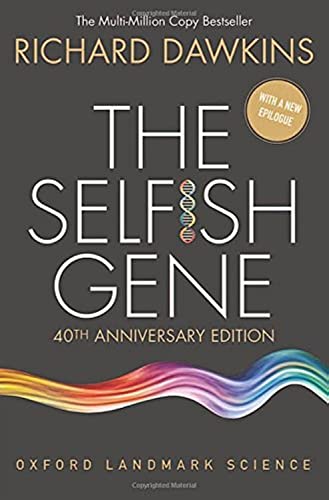
The Selfish Gene
by Richard Dawkins
Referenced in 2 citations on this topic