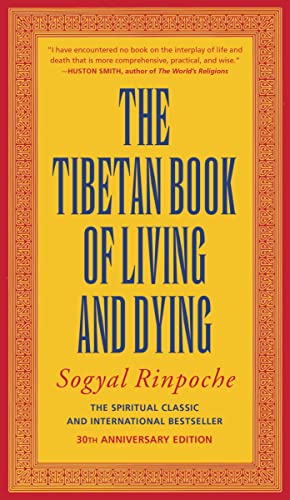
Sogyal Rinpoche's insistence that confronting death honestly gives life its deepest meaning directly echoes Frankl's argument in Man's Search for Meaning that awareness of mortality focuses the search for purpose.
Goal
How do I figure out what I actually want my life to be about?
Philosophy, memoir, and psychology that other authors cite on meaning, purpose, and the examined life.
The conversation
15 passagesThe exact passages where one book references another on this topic. These are the connections, not our commentary.
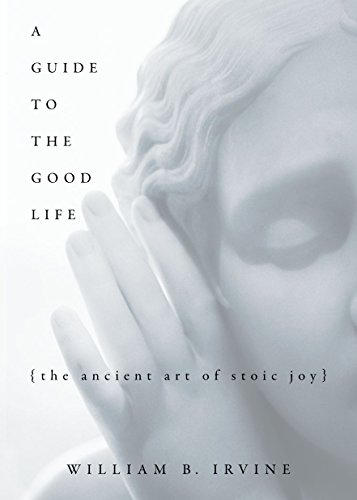
References Frankl's Man's Search for Meaning when discussing how Stoic philosophy helps find purpose amid suffering
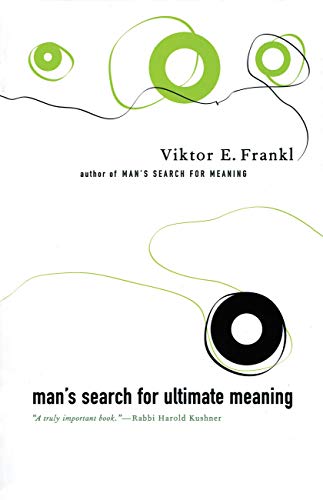
Frankl directly extends Man's Search for Meaning, building on his logotherapy framework with additional clinical and philosophical depth
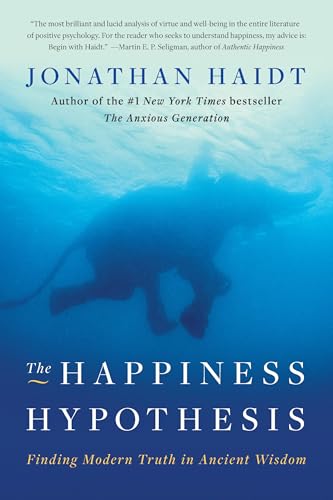
Haidt references Frankl on purpose and meaning.
Becker's death anxiety connects to Frankl's search for meaning.
Kalanithi references Frankl on mortality and purpose.
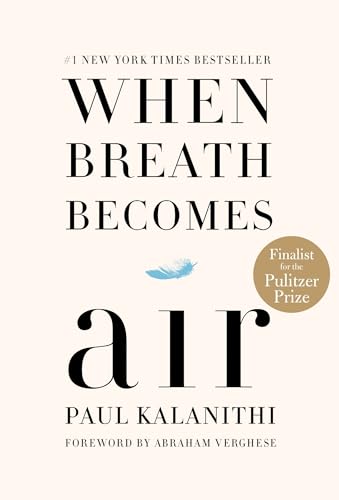
Sarno cites Frankl's logotherapy tradition to argue that unconscious meaning and repressed conflict manifest as bodily symptoms when denied conscious expression
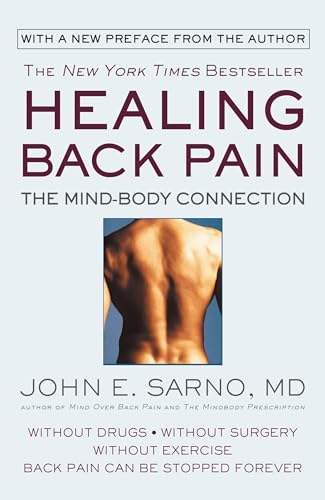
Draws on Ernest Becker's The Denial of Death to frame how Western medicine institutionalizes our avoidance of mortality, replacing acceptance with heroic intervention
Echoes Frankl's Man's Search for Meaning in arguing that dying patients need a sense of meaning and purpose more than they need added days of life
Echoes Becker's Denial of Death in its insistence on the body as the ultimate site of vulnerability and the Dream as denial of mortality through racial hierarchy
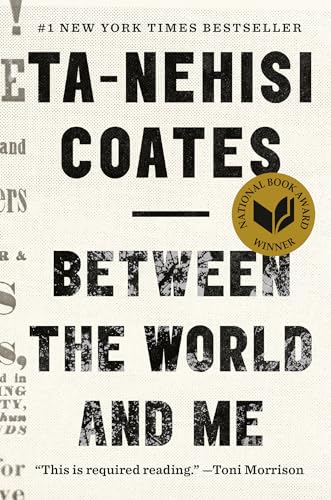
Draws on Frankl's Man's Search for Meaning in arguing that confronting death is what makes life meaningful, rather than an obstacle to meaning
Cites Becker's Denial of Death to frame the first mountain's achievements as heroism projects that cannot survive contact with mortality
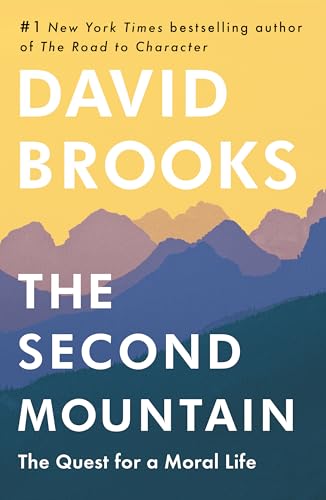
Draws extensively on Frankl's Man's Search for Meaning, using logotherapy's insight that finding meaning in suffering is central to therapeutic change

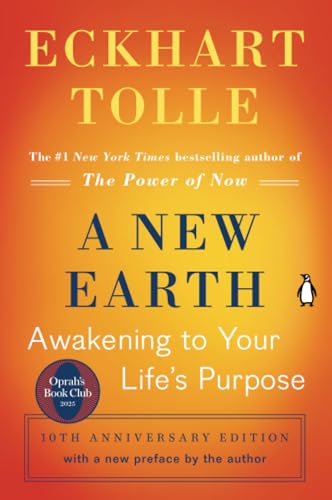
Tolle's teaching that suffering arises from identification with the ego parallels Frankl's insight in Man's Search for Meaning that finding purpose beyond the self is the key to transcending even extreme adversity.
Didion's examination of how the mind constructs magical thinking to deny death echoes Ernest Becker's thesis in The Denial of Death that human civilization itself is an elaborate defense mechanism against mortality awareness.
Books in this conversation
12Books that appear most often in citations on this topic, or that other authors reference when writing about it.
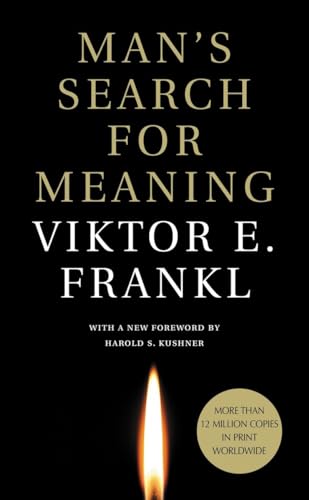
Man's Search for Meaning
by Viktor Frankl
Referenced in 53 citations on this topic
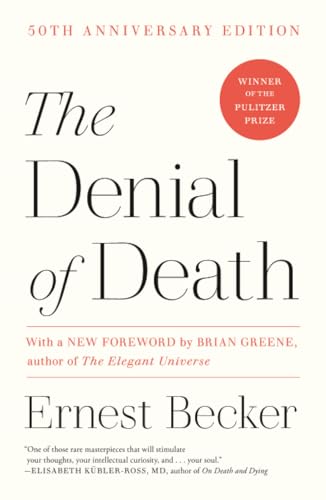
The Denial of Death
by Ernest Becker
Referenced in 11 citations on this topic

Drive
by Daniel Pink
Referenced in 10 citations on this topic
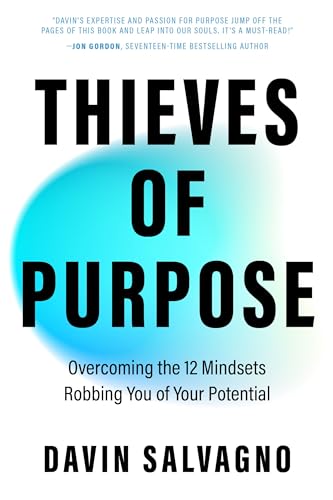
Thieves of Purpose: Overcoming the 12 Mindsets Robbing You of Your Potential
by Davin Salvagno
Referenced in 7 citations on this topic
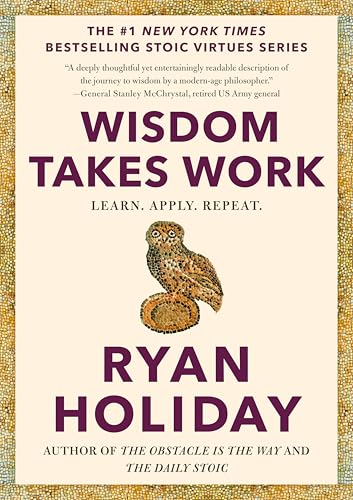
Wisdom Takes Work
by Ryan Holiday
Referenced in 5 citations on this topic

Why We Sleep
by Matthew Walker
Referenced in 4 citations on this topic
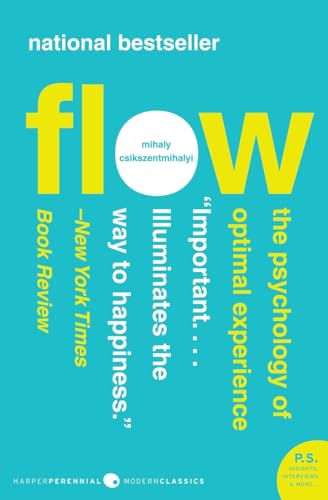
Flow
by Mihaly Csikszentmihalyi
Referenced in 4 citations on this topic
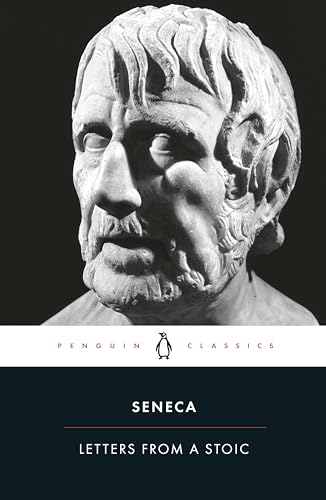
Letters from a Stoic
by Seneca
Referenced in 2 citations on this topic
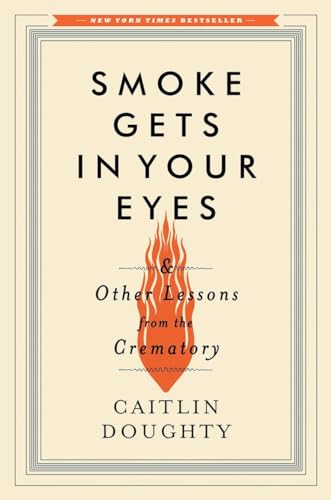
Smoke Gets in Your Eyes: And Other Lessons from the Crematory
by Caitlin Doughty
Referenced in 3 citations on this topic

The Year of Magical Thinking
by Joan Didion
Referenced in 3 citations on this topic

Mindset
by Carol Dweck
Referenced in 3 citations on this topic
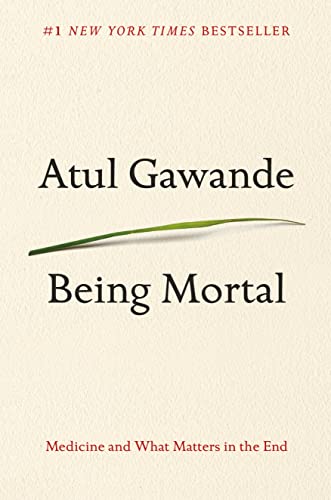
Being Mortal: Medicine and What Matters in the End
by Atul Gawande
Referenced in 2 citations on this topic