Guns, Germs, and Steel

Guns, Germs, and Steel

by Jared Diamond

star4.3

Diamond argues that geography, not racial superiority, explains why some civilizations dominated others. Differences in domesticable plants, animals, and continental axes gave certain societies an insurmountable head start.

Published:
Pages:
528
Buy on Amazon

In the Conversation

In this collection, Guns, Germs, and Steel is cited by 15 other books.

It’s picked up by 1491, Destined for War and Collapse and 12 others.

Scroll down to read the exact passages where other authors reference this book and what they say about it.

What People Say

Guns, Germs, and Steel is one of those rare books that nearly every author in history, politics, and social science feels compelled to engage with -- whether to extend, refine, or flatly dispute it. Acemoglu and Robinson structured Why Nations Fail as a direct counterargument, devoting their opening chapters to refuting Diamond's geography hypothesis, while Joseph Henrich in The WEIRDest People in the World offers cultural evolution as an alternative explanation. Peter Frankopan's The Silk Roads inverts the frame entirely, arguing it was Central Asian connectivity rather than isolated continental advantages that shaped the modern world.

Readers value the book for its sweeping ambition and paradigm-shifting argument, though critics like Charles C. Mann (1491) and David Graeber (The Dawn of Everything) challenge its determinism and argue Diamond underestimates indigenous political complexity.


What This Book Draws On

No verified citations found yet.

What Other Authors Say About It

15

The exact passages where other authors bring up “Guns, Germs, and Steel” and what they take from it.

Mann challenges Diamond's narrative from Guns, Germs, and Steel about pre-Columbian Americas.

1491

Cited in

1491

by Charles C. Mann

Buy

Allison references Diamond's analysis of geopolitical forces.

Destined for War

Cited in

Destined for War

by Graham Allison

Buy

Diamond's Collapse is companion to Guns, Germs, and Steel, examining why societies fail.

Collapse

Cited in

Collapse

by Jared Diamond

Buy

Diamond's Guns, Germs, and Steel is a central target: the authors dispute its geographical-determinist account of Eurasian dominance and argue Diamond underestimates indigenous political imagination.

The Dawn of Everything

Cited in

The Dawn of Everything

by David Graeber and David Wengrow

Buy

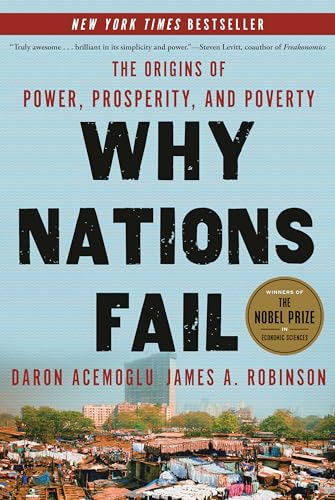
Why Nations Fail is structured as a direct counterargument to Diamond's Guns, Germs, and Steel; Acemoglu and Robinson devote the opening chapters to refuting the geography hypothesis and thank Diamond in the acknowledgements for the ongoing debate.

Why Nations Fail

Cited in

Why Nations Fail

by Daron Acemoglu and James A. Robinson

Buy

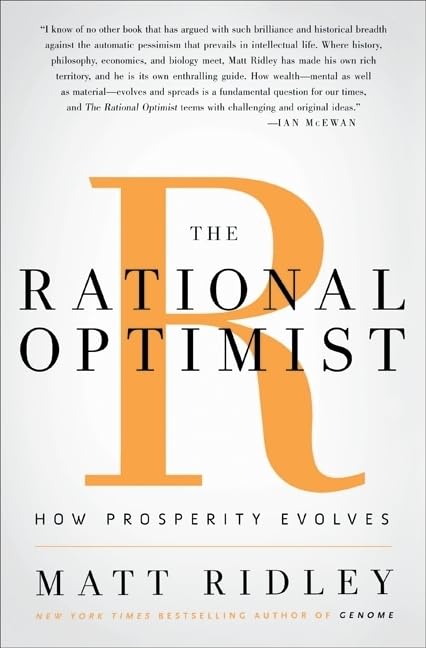
Ridley engages Diamond's Guns, Germs, and Steel on the role of geography and co-mingling of ideas, agreeing with Diamond that connectivity drives progress while disputing the book's pessimism about modern agriculture.

The Rational Optimist

Cited in

The Rational Optimist

by Matt Ridley

Buy

Intellectual Lineage

How ideas flow through the citation network. Ancestors are books this title builds on; descendants are books that build on it.

Unexpected Connections

Books from completely different categories that share citation overlap with this one. These are the reads you would not find by browsing a single shelf.

If you liked this, try

Books with the highest citation overlap within the same categories.

Citation Network

This book and its direct connections. Hover a node to see its title, click to visit.

Books this book cites
Books that cite this book
Larger dot = more connections
Guns, Germs, and SteelAtomic Habits

Hover a node to highlight its connections. Click to open the book page. Node size reflects total citation links.