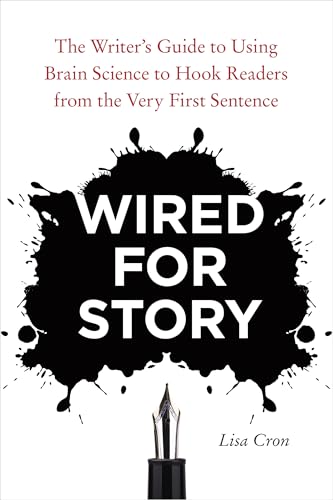
Wired for Story: The Writer's Guide to Using Brain Science to Hook Readers from the Very First Sentence

Wired for Story: The Writer's Guide to Using Brain Science to Hook Readers from the Very First Sentence

by Lisa Cron

star4.5

Cron argues that the brain evolved to use story as its primary simulator for navigating danger and social life, which is why readers demand a protagonist's internal struggle, not just events. She converts neuroscience findings into twelve craft principles for hooking readers from sentence one.

Published:
Pages:
272
Buy on Amazon

In the Conversation

In this collection, Wired for Story: The Writer's Guide to Using Brain Science to Hook Readers from the Very First Sentence references 4 other books.

It draws on The Language Instinct, Descartes' Error and Thinking, Fast and Slow.

Scroll down to read the exact passages where other authors reference this book and what they say about it.

What This Book Draws On

4

The books Cron references and why each one mattered to the argument.

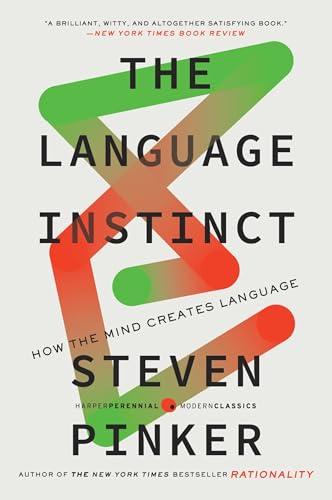
Cron repeatedly quotes Pinker's argument from The Language Instinct and his later work that fiction is a 'mental catalogue' of survival scenarios our brains are wired to rehearse

The Language Instinct

References

The Language Instinct

by Steven Pinker

Buy

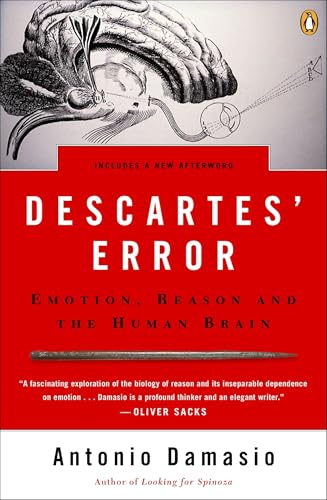
Cron leans on Damasio's Descartes' Error to show that emotion is not opposed to reason but the mechanism by which readers weigh meaning, making feeling central to every scene

Descartes' Error

References

Descartes' Error

by Antonio Damasio

Buy

Cron uses Kahneman's dual-system model to explain why readers make fast, intuitive judgements about characters and why writers must plant emotional cues System 1 can read instantly

Thinking, Fast and Slow

References

Thinking, Fast and Slow

by Daniel Kahneman

Buy

Cron cites Duhigg-style habit-loop research to argue that readers keep turning pages because story exploits the cue-craving-reward architecture of the brain

The Power of Habit

References

The Power of Habit

by Charles Duhigg

Buy

What Other Authors Say About It

No books citing this title yet.

Intellectual Lineage

How ideas flow through the citation network. Ancestors are books this title builds on; descendants are books that build on it.

Unexpected Connections

Books from completely different categories that share citation overlap with this one. These are the reads you would not find by browsing a single shelf.

If you liked this, try

Books with the highest citation overlap within the same categories.

Citation Network

This book and its direct connections. Hover a node to see its title, click to visit.

Books this book cites
Books that cite this book
Larger dot = more connections
Thinking, Fast and Slow

Hover a node to highlight its connections. Click to open the book page. Node size reflects total citation links.