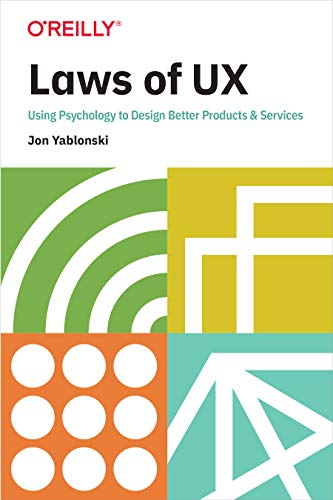
Laws of UX: Using Psychology to Design Better Products & Services

Laws of UX: Using Psychology to Design Better Products & Services

by Jon Yablonski

star4.33

Laws of UX distills foundational psychological principles into actionable design guidelines, covering 21 laws organised across heuristics, Gestalt principles, and cognitive biases. Jon Yablonski translates research from Hick, Fitts, Miller, and Kahneman into practical frameworks that product designers can apply to create more intuitive interfaces. Each law is paired with real-world examples from popular digital products.

Published:
Pages:
152
Buy on Amazon

In the Conversation

In this collection, Laws of UX: Using Psychology to Design Better Products & Services references 5 other books.

It draws on Thinking, Fast and Slow, Hooked and The Design of Everyday Things.

Scroll down to read the exact passages where other authors reference this book and what they say about it.

What This Book Draws On

5

The books Yablonski references and why each one mattered to the argument.

Yablonski's chapter on the Peak-End Rule directly references Kahneman's dual-process theory from Thinking, Fast and Slow, explaining how System 1 heuristics shape user perception of product experiences

Thinking, Fast and Slow

References

Thinking, Fast and Slow

by Daniel Kahneman

Buy

The book references Nir Eyal's Hooked model when discussing how psychological principles like variable rewards and the Zeigarnik Effect can be applied ethically in product design

Hooked

References

Hooked

by Nir Eyal

Buy

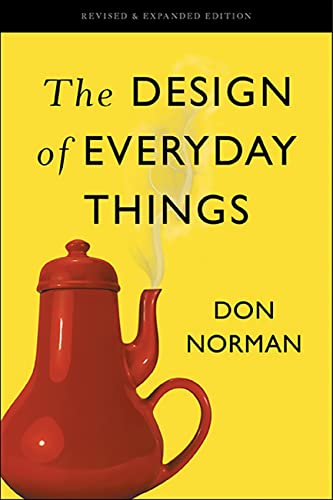
Yablonski builds on Norman's affordance concepts from The Design of Everyday Things, particularly when explaining how Gestalt principles and perceived affordances guide user expectations in interfaces

The Design of Everyday Things

References

The Design of Everyday Things

by Don Norman

Buy

The discussion of default effects and choice architecture in Laws of UX draws on Thaler and Sunstein's Nudge framework for understanding how design choices influence user behavior

Nudge

References

Nudge

by Richard Thaler

Buy

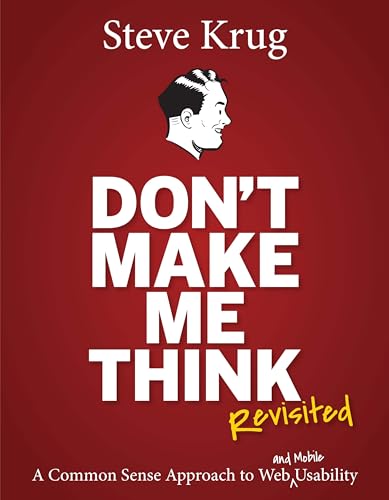
Yablonski references Krug's Don't Make Me Think when discussing Jakob's Law and the importance of leverageing familiar design conventions to reduce cognitive load

Don't Make Me Think

References

Don't Make Me Think

by Steve Krug

Buy

What Other Authors Say About It

No books citing this title yet.

Intellectual Lineage

How ideas flow through the citation network. Ancestors are books this title builds on; descendants are books that build on it.

Unexpected Connections

Books from completely different categories that share citation overlap with this one. These are the reads you would not find by browsing a single shelf.

If you liked this, try

Books with the highest citation overlap within the same categories.

Citation Network

This book and its direct connections. Hover a node to see its title, click to visit.

Books this book cites
Books that cite this book
Larger dot = more connections
Thinking, Fast and Slow

Hover a node to highlight its connections. Click to open the book page. Node size reflects total citation links.